
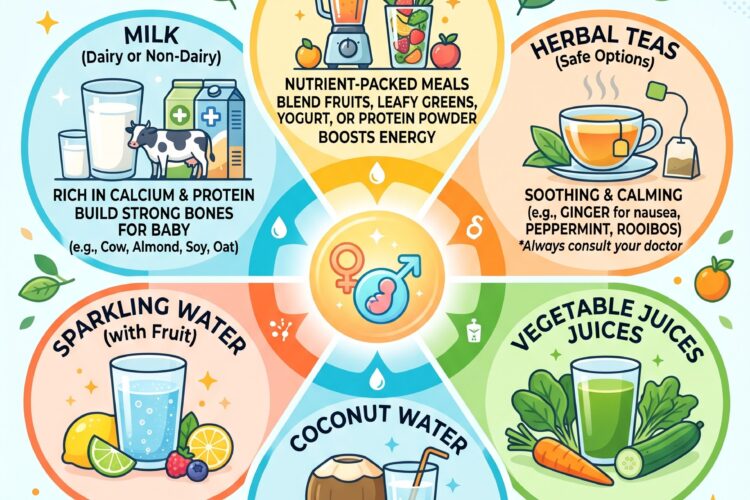
If you’re pregnant, you’ve probably heard “drink more water” approximately one thousand times by now — and while that advice isn’t wrong, it can get boring fast. The good news is there are plenty of healthy pregnancy drinks besides water that can help you stay hydrated, settle nausea, sneak in extra nutrients, and just make it easier to hit your fluid goals when plain water feels impossible to choke down for the hundredth time.
Staying hydrated during pregnancy matters more than usual — it supports amniotic fluid levels, helps prevent constipation and swelling, and can even ease headaches and fatigue. But your changing taste buds, nausea, and cravings can make plain water genuinely unappealing some days, especially in the first trimester.
Below are 20 healthy pregnancy drinks besides water to keep things interesting, along with tips on when each one works best and what to watch out for. As always, run any new drink — especially herbal teas or anything with caffeine — by your OB or midwife, since individual recommendations can vary.
1. Infused (Flavored) Water
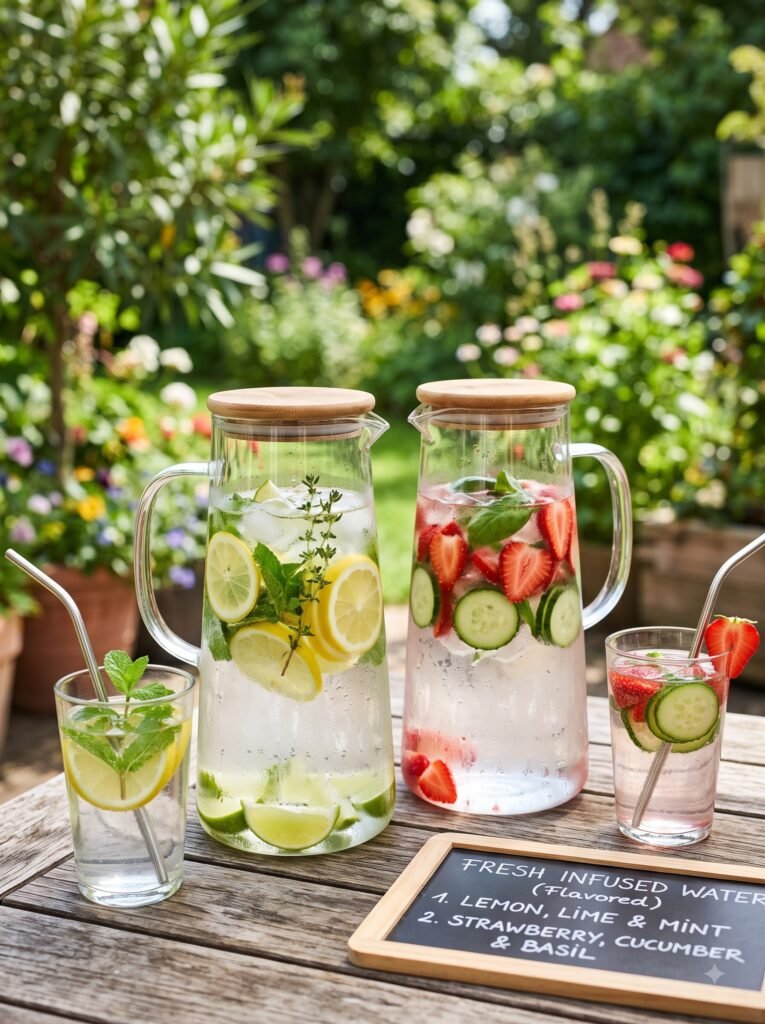
If plain water is the problem, infused water might be the easiest fix. Add slices of cucumber, lemon, berries, or mint to a pitcher and let it sit in the fridge for a few hours.
Why parents love it: It makes water feel like a treat instead of a chore, without adding sugar or artificial flavoring.
When it works best: All day, every trimester — especially when nausea makes plain water taste “off,” which is common in early pregnancy.
Implementation tips: Use a large pitcher or infuser water bottle so you always have a batch ready to go.
Budget-friendly alternative: Frozen fruit works just as well as fresh and lasts longer in the freezer.
Common mistake to avoid: Letting fruit sit in water for more than 24 hours, which can affect taste and freshness.
Quick Tip: Keep a pitcher visible on the counter — you’re far more likely to drink it if you don’t have to think about it.
2. Coconut Water

Coconut water is naturally rich in electrolytes like potassium, which makes it a popular pick for pregnant women dealing with mild dehydration or muscle cramps.
Why parents love it: It’s a natural way to replenish electrolytes without the added sugar found in sports drinks.
When it works best: After light exercise, on hot days, or during bouts of nausea when you’re not keeping much down.
Implementation tips: Look for 100% pure coconut water with no added sugar on the label.
Budget-friendly alternative: Buy it in bulk cartons rather than single-serve bottles to save significantly per ounce.
Common mistake to avoid: Assuming all brands are equal — some have added sugars or juice blends that dilute the electrolyte benefit.
3. Ginger Tea

Ginger has long been used to help settle an upset stomach, and many pregnant women swear by ginger tea for morning sickness relief.
Why parents love it: It’s a gentle, natural option many turn to first when nausea hits.
When it works best: First thing in the morning or whenever queasiness strikes.
Implementation tips: Steep fresh sliced ginger in hot water for 5–10 minutes, or use a store-bought ginger tea bag for convenience.
Safety consideration: Talk to your provider about how much ginger is appropriate for you, especially in later trimesters.
Common mistake to avoid: Brewing it too strong, which can make the flavor overwhelming instead of soothing — start light and adjust.
4. Milk (Dairy or Fortified Plant-Based)
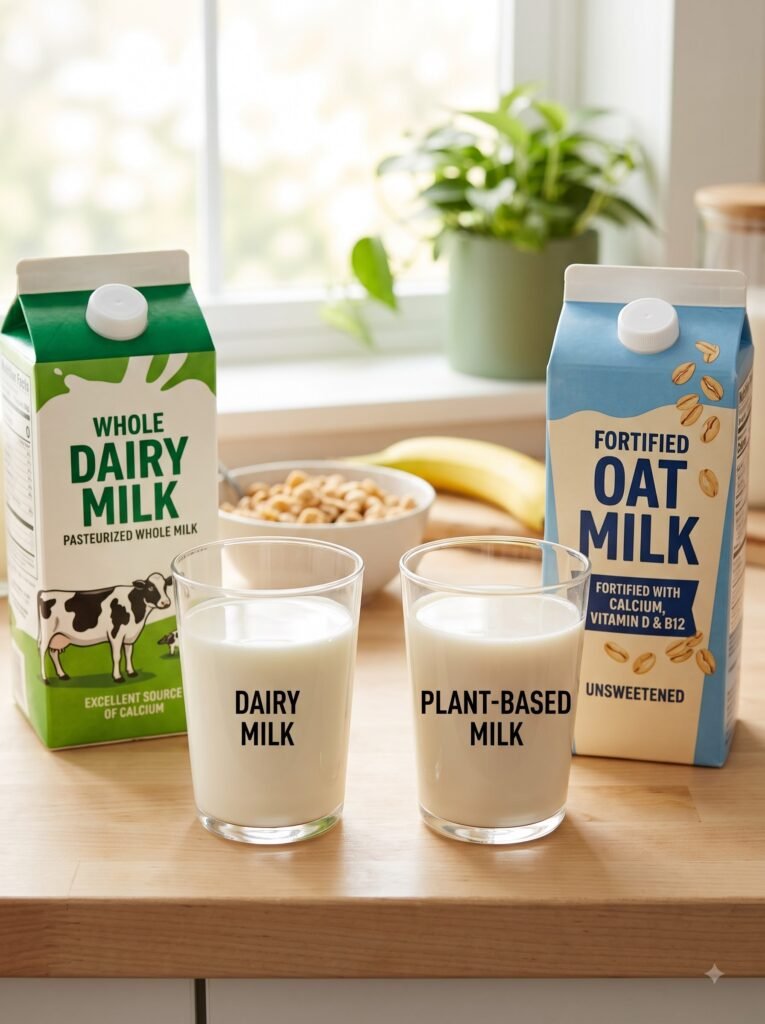
A glass of milk is a simple, classic way to get calcium, vitamin D, and protein — all nutrients your growing baby needs plenty of.
Why parents love it: It’s an easy nutritional boost that doubles as a comforting bedtime drink.
When it works best: With meals, or as an evening ritual before bed.
Implementation tips: If you’re dairy-free, choose a fortified plant-based milk (soy, oat, or almond) that lists calcium and vitamin D on the label.
Budget-friendly alternative: Store-brand milk is nutritionally identical to name brands at a fraction of the cost.
Common mistake to avoid: Assuming all plant milks are fortified equally — check the nutrition label, since some have far less calcium than dairy milk.
5. Smoothies
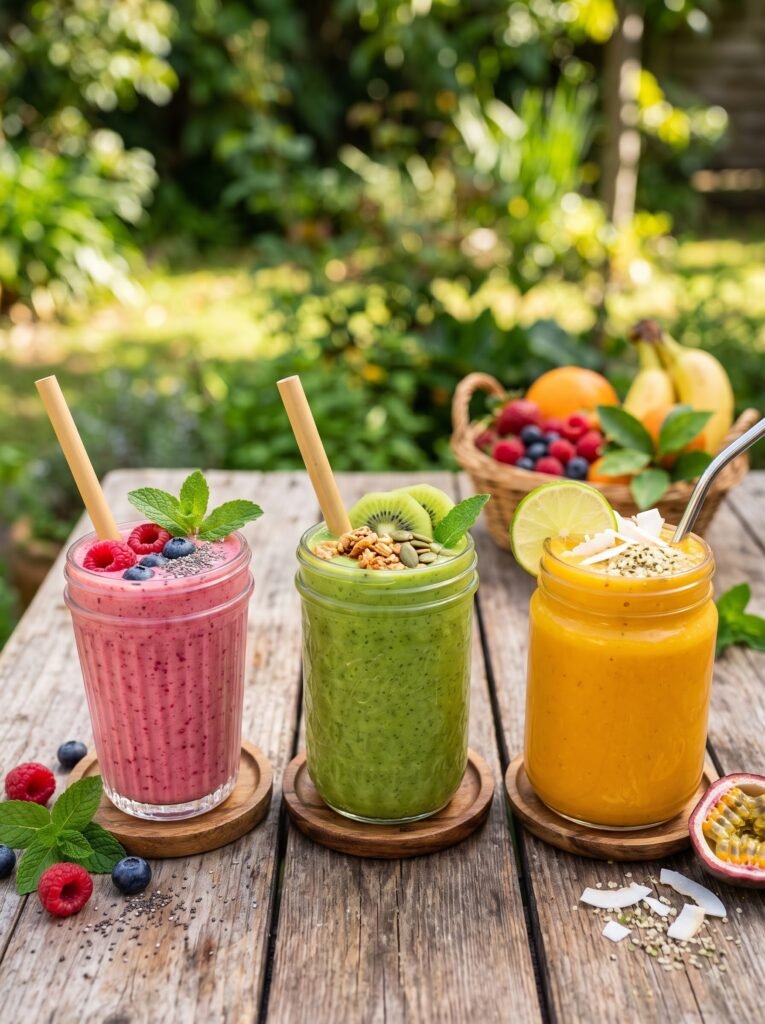
A smoothie is basically a meal and a drink in one, which makes it perfect for days when eating feels like too much effort but you still need nutrients.
Why parents love it: You can hide greens, protein, and healthy fats in something that tastes like dessert.
When it works best: Breakfast, or as a nausea-friendly meal replacement when solid food isn’t appealing.
Implementation tips: Blend frozen fruit, a splash of milk or yogurt, and a handful of spinach for a nutrient-dense base.
Budget-friendly alternative: Buy fruit in-season and freeze it yourself instead of pre-packaged frozen smoothie blends.
Common mistake to avoid: Loading up on added sugars (syrups, sweetened yogurts) that turn a healthy smoothie into a dessert in disguise.
6. Herbal Pregnancy Tea Blends
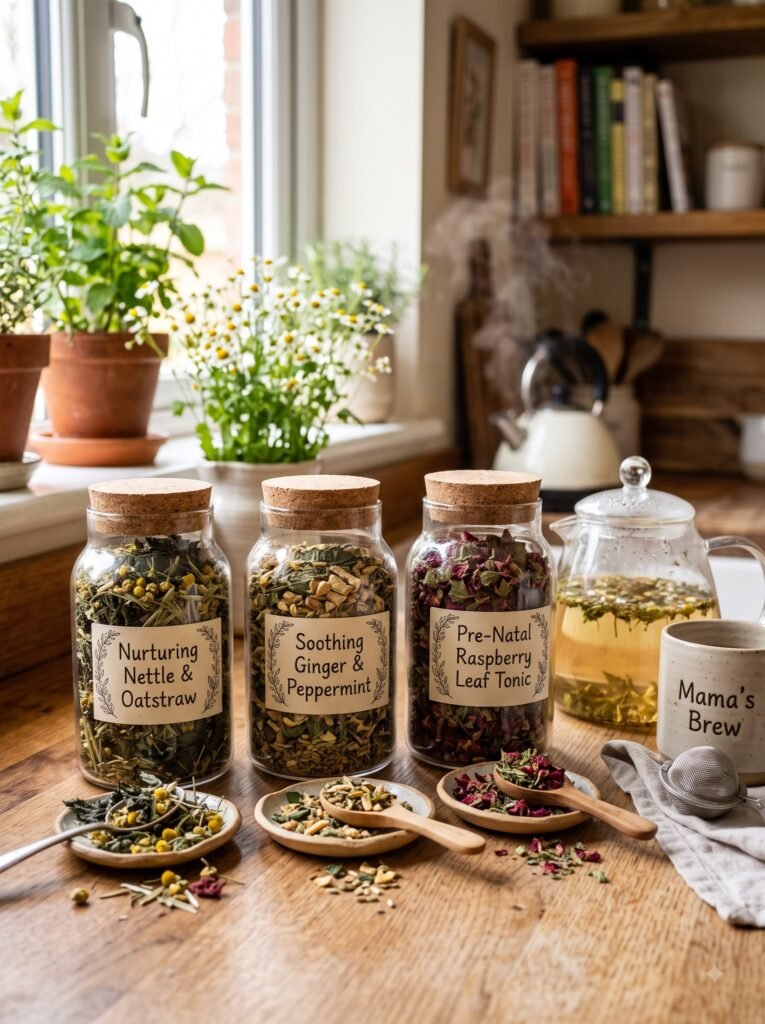
Several brands make caffeine-free tea blends specifically formulated for pregnancy, often featuring raspberry leaf, nettle, or peppermint.
Why parents love it: It feels like a small, cozy self-care ritual that’s also considered generally pregnancy-safe by many providers.
When it works best: Afternoons or evenings as a warm, caffeine-free alternative to regular tea or coffee.
Safety consideration: Not all herbal ingredients are considered safe throughout every trimester — always check with your OB or midwife before starting a new blend, especially anything containing raspberry leaf earlier in pregnancy.
Common mistake to avoid: Assuming “natural” automatically means “pregnancy-safe” — some herbal ingredients are best avoided or saved for later trimesters.
Expert Advice: Bring the ingredient label to your next prenatal appointment if you’re unsure — your provider can quickly flag anything to skip.
7. Sparkling Water

If you’re craving the fizz of soda without the sugar or caffeine, plain sparkling water can genuinely hit the spot.
Why parents love it: It satisfies carbonation cravings and can even help settle a queasy stomach for some women.
When it works best: Anytime you’d normally reach for soda, or alongside meals to help with digestion.
Implementation tips: Add a splash of 100% fruit juice or a squeeze of citrus for natural flavor without artificial sweeteners.
Budget-friendly alternative: A home carbonation machine pays for itself quickly if you drink sparkling water often.
Common mistake to avoid: Reaching for flavored sparkling waters with added sugar or artificial sweeteners without checking the label first.
8. Lemon Water
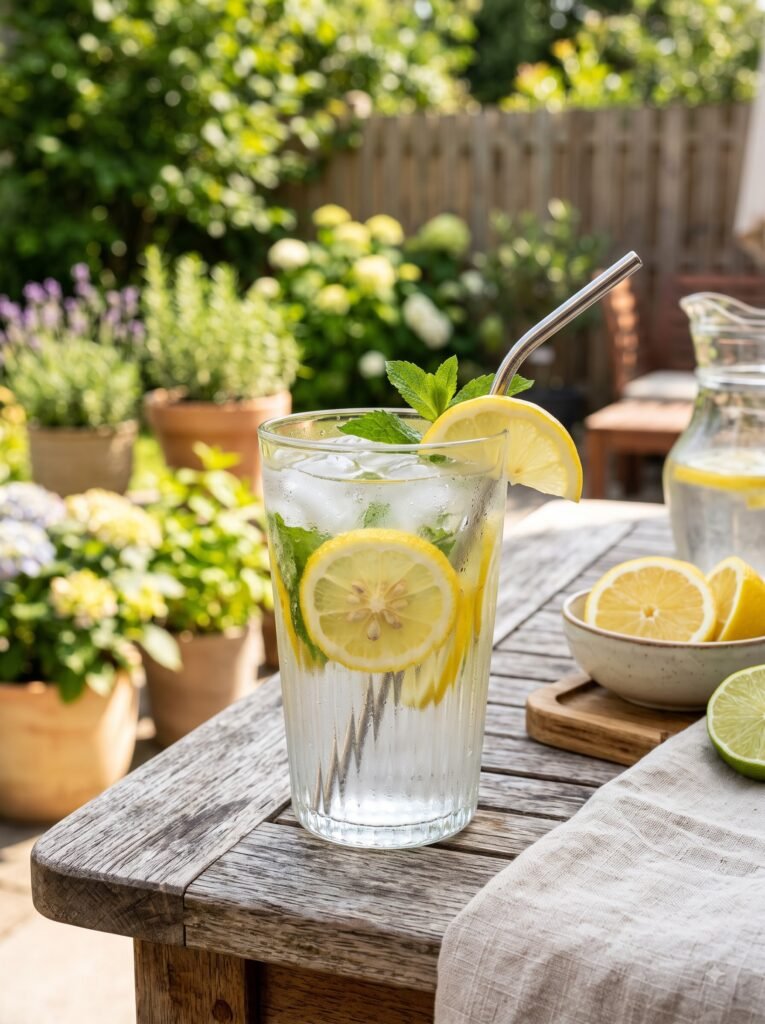
Simple, refreshing, and easy on a queasy stomach, lemon water is a favorite for a reason — many women find the citrus scent and taste genuinely helpful for nausea.
Why parents love it: It’s virtually free, takes seconds to make, and adds a boost of vitamin C.
When it works best: First thing in the morning, especially during first-trimester nausea.
Implementation tips: Use fresh-squeezed lemon rather than bottled juice for the brightest flavor.
Common mistake to avoid: Drinking it on an empty stomach if you’re prone to heartburn, since citrus can sometimes worsen acid reflux later in pregnancy.
9. Decaf Coffee

If you’re missing your morning coffee ritual, decaf can offer the same comforting warmth and flavor without the caffeine concerns.
Why parents love it: It keeps a beloved daily habit intact without needing to give it up entirely for nine months.
When it works best: Morning routines, especially for former daily coffee drinkers adjusting to lower caffeine limits.
Safety consideration: Decaf still contains a small amount of caffeine, so factor it into your overall daily total, which most providers recommend keeping under 200mg.
Common mistake to avoid: Assuming decaf means zero caffeine — it doesn’t, it’s just significantly reduced.
Quick Tip: Add warm milk for a decaf latte that feels like an indulgent treat.
10. Bone Broth
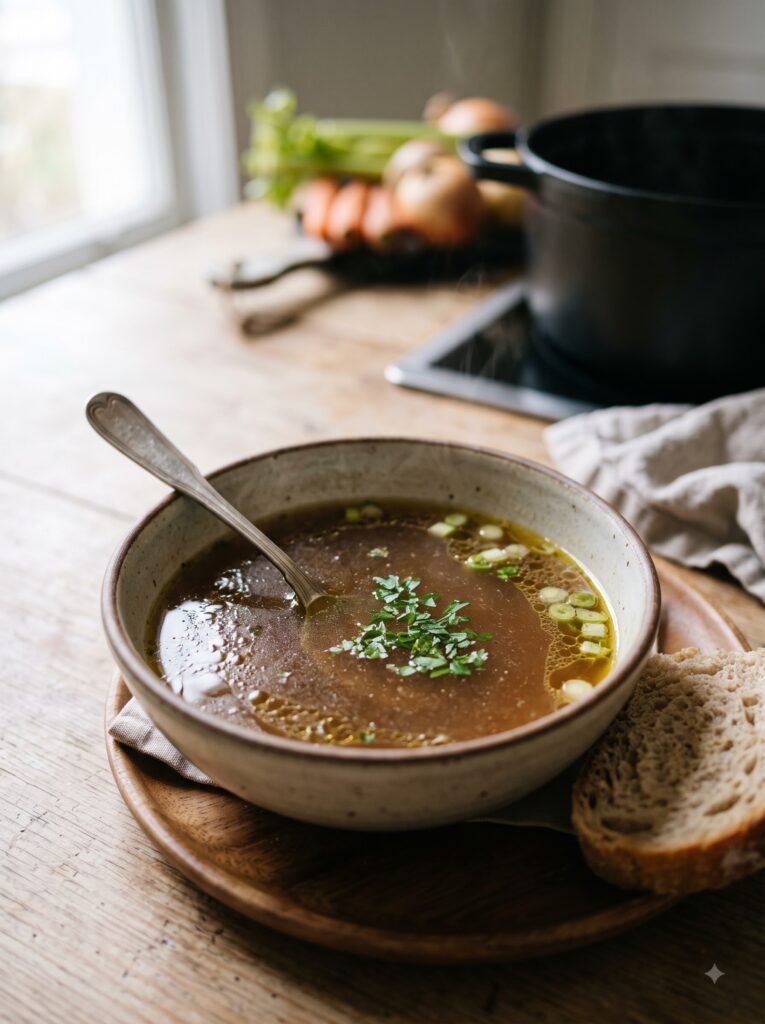
Warm, savory, and packed with minerals, bone broth has become a popular sipping drink during pregnancy, especially for those who struggle to keep solid food down.
Why parents love it: It’s easy to digest and provides protein and minerals even on low-appetite days.
When it works best: When you’re sick, dealing with nausea, or just want something warm and savory instead of sweet.
Implementation tips: Sip it slowly from a mug rather than drinking it quickly, especially if your stomach is sensitive.
Budget-friendly alternative: Make a big batch at home from leftover chicken or beef bones and freeze it in portions.
Common mistake to avoid: Choosing store-bought versions loaded with sodium — check labels and opt for low-sodium options when possible.
11. Watermelon Juice
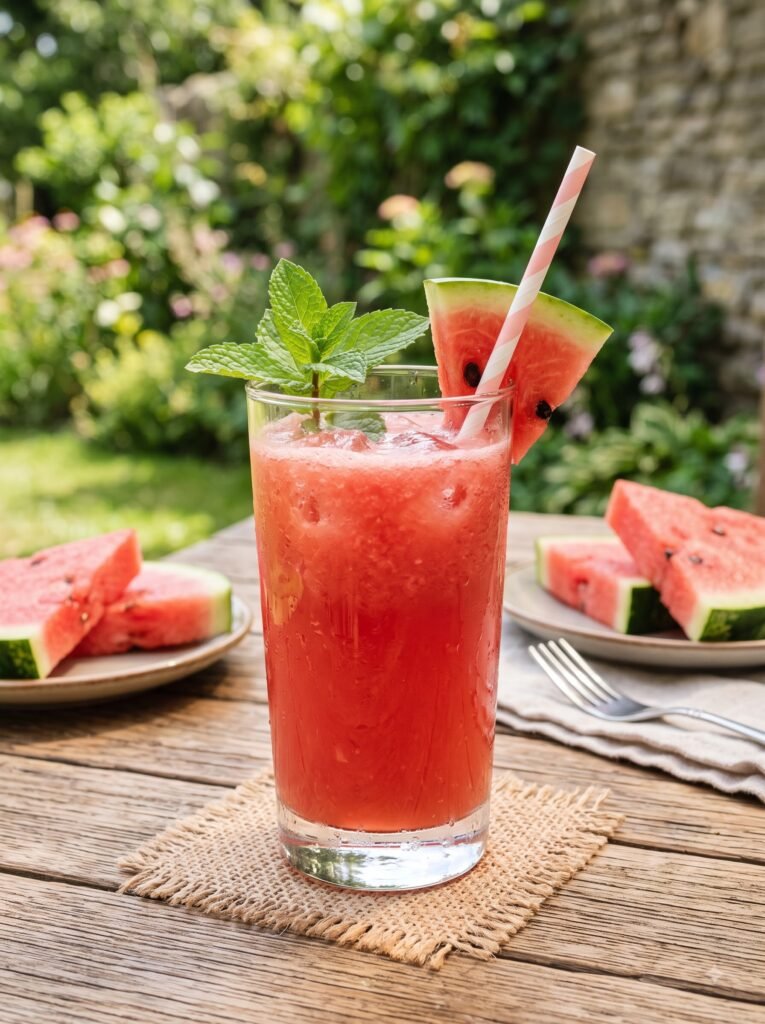
Naturally sweet, hydrating, and refreshing, watermelon juice is an easy way to get fluids in when you want something more exciting than water.
Why parents love it: Watermelon is over 90% water, so it hydrates while also satisfying a sweet craving.
When it works best: Hot days, or as a refreshing afternoon pick-me-up.
Implementation tips: Blend fresh watermelon chunks and strain if you prefer a smoother texture over pulp.
Common mistake to avoid: Buying store-bought versions with added sugar — fresh, homemade watermelon juice needs no sweetener at all.
12. Chia Fresca (Chia Seed Water)
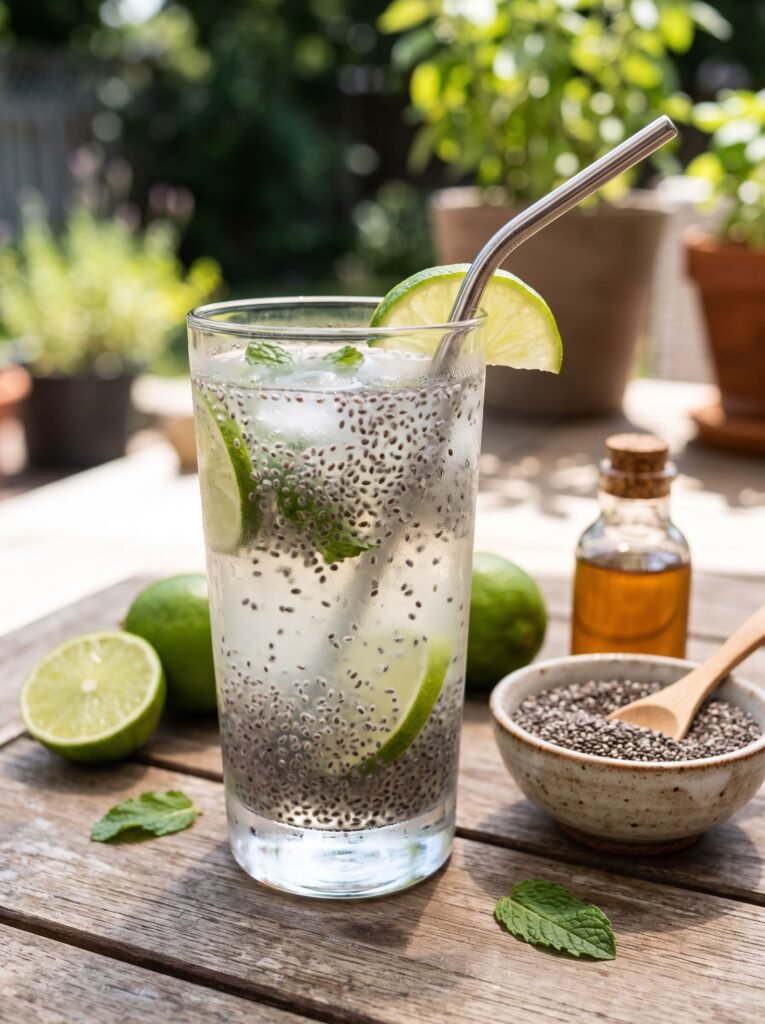
This simple drink — chia seeds soaked in water with a splash of citrus — has become popular for its fiber and hydration combo.
Why parents love it: It’s a gentle way to add fiber, which can help with pregnancy-related constipation.
When it works best: Mid-morning or early afternoon as a light, filling sipper between meals.
Implementation tips: Let chia seeds soak for at least 15–20 minutes so they fully gel and become easier to drink.
Common mistake to avoid: Drinking it too quickly after adding the seeds, before they’ve had time to expand — this can feel gritty rather than smooth.
Parent Hack: Make a batch the night before so it’s ready to grab straight from the fridge.
13. Tart Cherry Juice
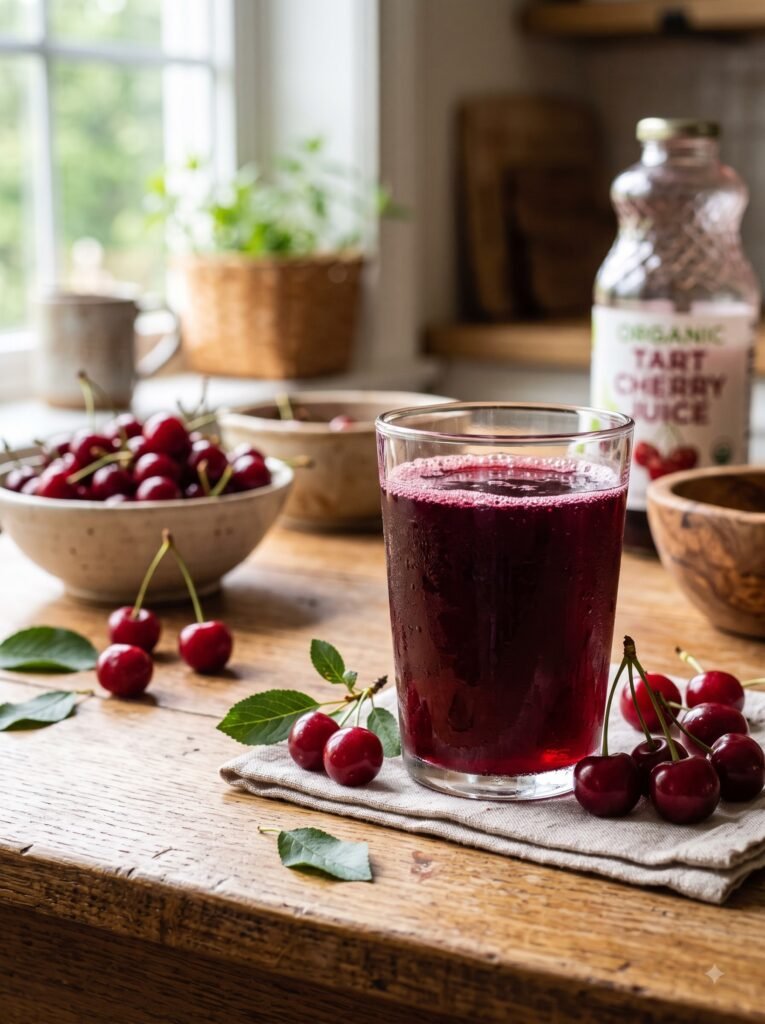
Tart cherry juice has gained popularity for its natural melatonin content, which some pregnant women find helpful for sleep, especially in the later, harder-to-sleep months.
Why parents love it: A small glass in the evening can feel like a gentle, natural wind-down ritual.
When it works best: An hour or two before bed.
Implementation tips: Choose 100% tart cherry juice rather than a cherry juice “cocktail,” which is often mostly sugar and water.
Common mistake to avoid: Drinking a large glass, since tart cherry juice is fairly concentrated and calorie-dense — a small serving goes a long way.
14. Homemade Electrolyte Drink
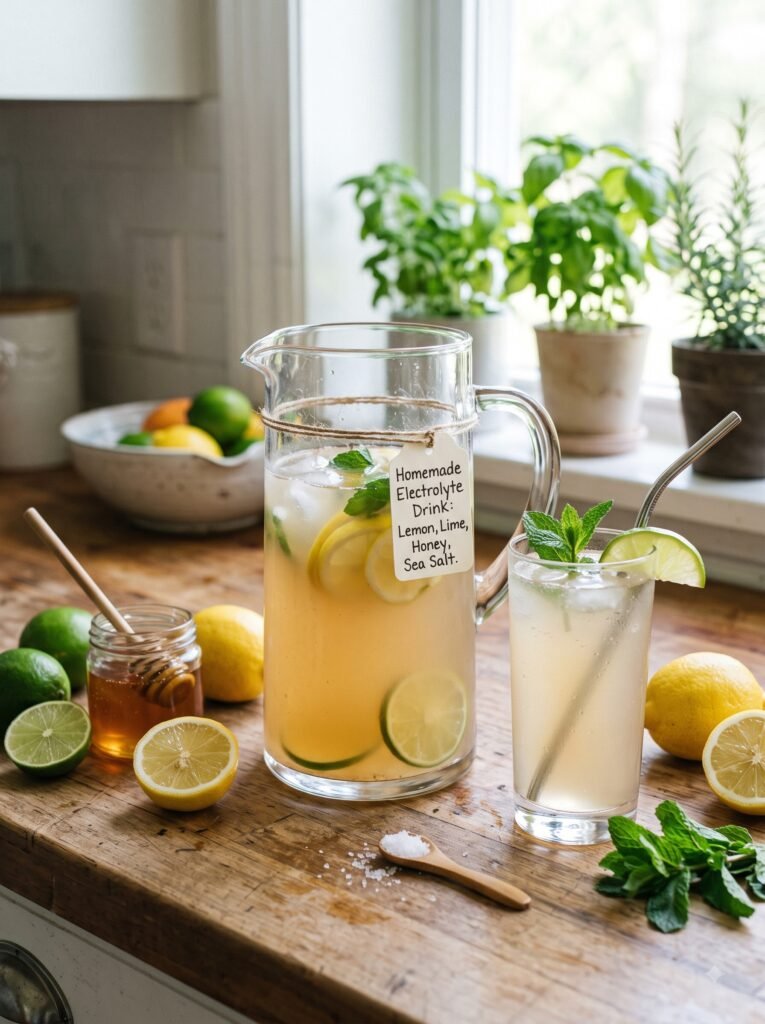
If you’re dealing with morning sickness or just sweating more than usual, a homemade electrolyte drink can help replace what you’re losing without store-bought additives.
Why parents love it: You control exactly what goes in it — no artificial dyes or excess sugar.
When it works best: During bouts of vomiting, hot weather, or after any activity that leaves you feeling depleted.
Implementation tips: Mix water, a splash of 100% fruit juice, a pinch of salt, and a touch of honey for a simple homemade version.
Safety consideration: If you’re losing fluids frequently due to severe nausea or vomiting, contact your provider — home remedies help with mild cases, but persistent vomiting needs medical attention.
15. Iced or Hot Herbal Peppermint Tea

Peppermint tea is a go-to for many pregnant women dealing with an upset stomach, bloating, or general digestive discomfort.
Why parents love it: It’s naturally caffeine-free and has a cooling, calming effect that many find soothing.
When it works best: After meals, or whenever bloating or mild indigestion strikes.
Implementation tips: Serve it iced in warmer months for a refreshing twist on the usual hot cup.
Common mistake to avoid: Drinking it if you’re prone to heartburn or acid reflux, since peppermint can sometimes make reflux symptoms worse for some women.
16. Fresh Vegetable Juice
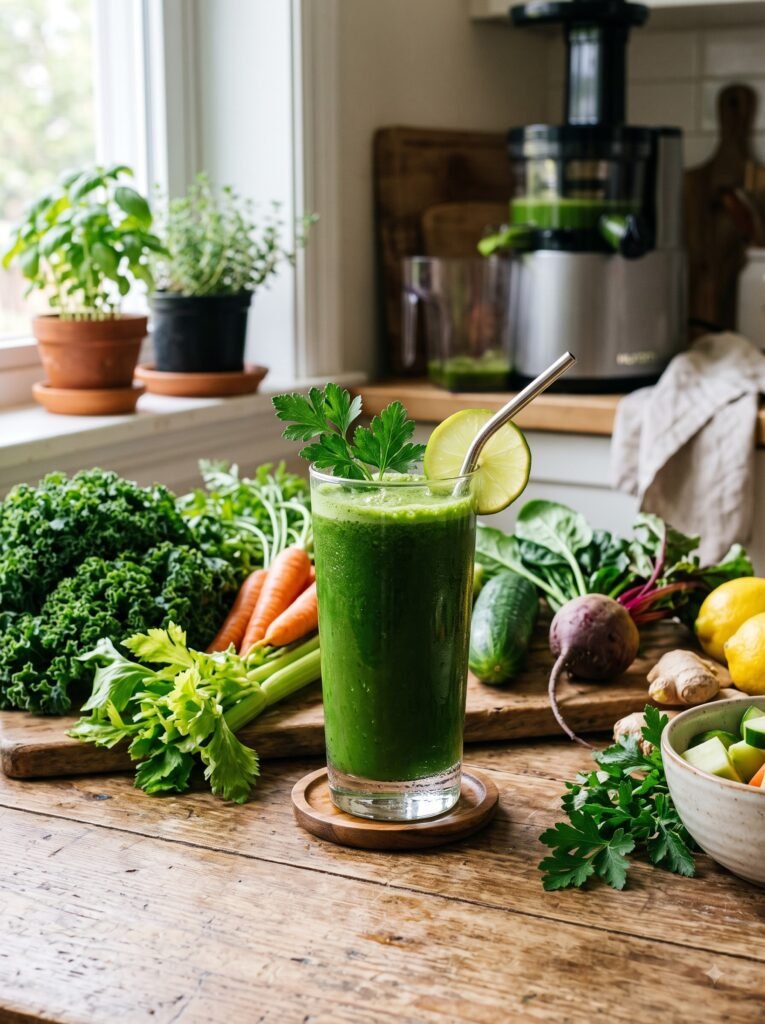
A blend of carrot, celery, cucumber, and a touch of apple for sweetness is an easy way to sneak in extra vitamins when eating vegetables feels unappealing.
Why parents love it: It’s a fast way to get nutrients in on days when solid vegetables just aren’t happening.
When it works best: Mid-morning or alongside a light lunch.
Implementation tips: Use a juicer or high-powered blender, straining if you prefer a smoother consistency.
Common mistake to avoid: Relying on juice instead of whole vegetables long-term — juice lacks the fiber that whole veggies provide, so treat it as a supplement, not a replacement.
17. Kombucha (Low-Sugar, Low-Caffeine Varieties)
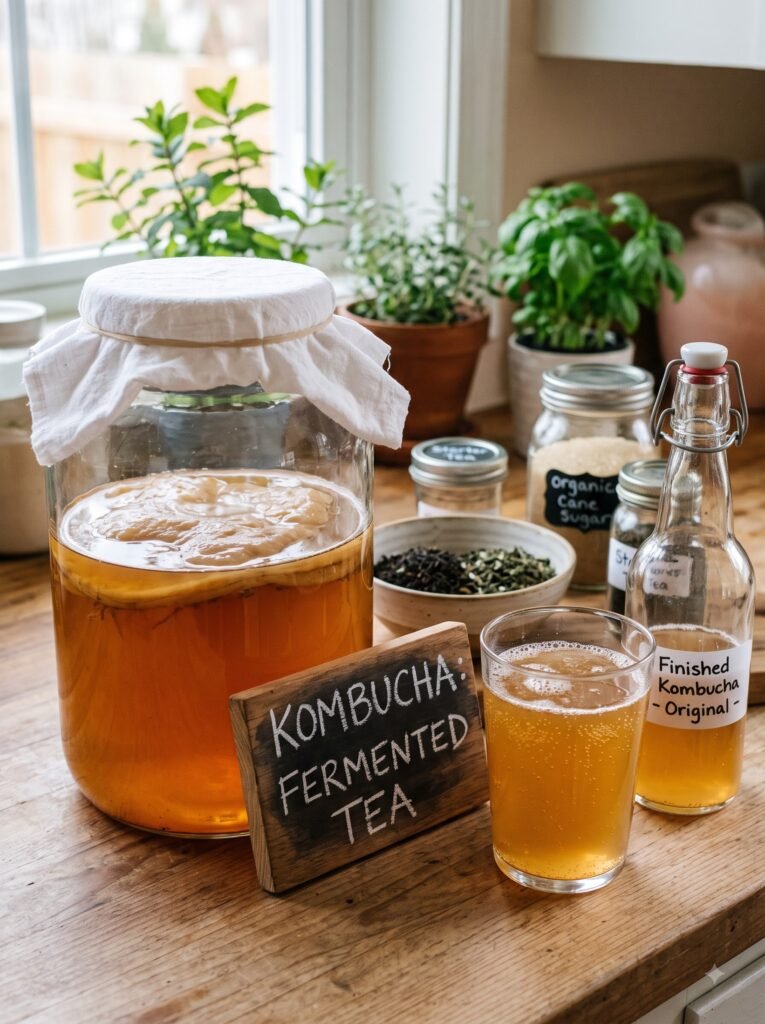
Kombucha is a fermented tea that some pregnant women enjoy for its tangy flavor and probiotic content, though it’s a drink that comes with a few extra considerations.
Why parents love it: It offers a fizzy, flavorful alternative to soda with the added appeal of probiotics.
When it works best: As an occasional treat rather than a daily staple.
Safety consideration: Kombucha contains trace amounts of alcohol from fermentation and small amounts of caffeine, so discuss it with your provider before adding it to your routine, and always choose pasteurized varieties when possible.
Common mistake to avoid: Assuming all kombucha brands are the same — sugar, caffeine, and alcohol content can vary significantly between brands.
18. Warm Golden Milk (Turmeric Latte)

This cozy, spiced drink combines warm milk with turmeric, a touch of cinnamon, and honey for a comforting, antioxidant-rich sipper.
Why parents love it: It feels indulgent and cozy, especially during colder months or as an evening wind-down.
When it works best: Evenings, paired with a quiet moment of rest.
Implementation tips: Use fortified milk (dairy or plant-based) as your base to add a calcium boost alongside the spices.
Common mistake to avoid: Overdoing the turmeric — a small pinch is plenty, since large culinary amounts of certain spices are best kept moderate during pregnancy.
19. Diluted 100% Fruit Juice
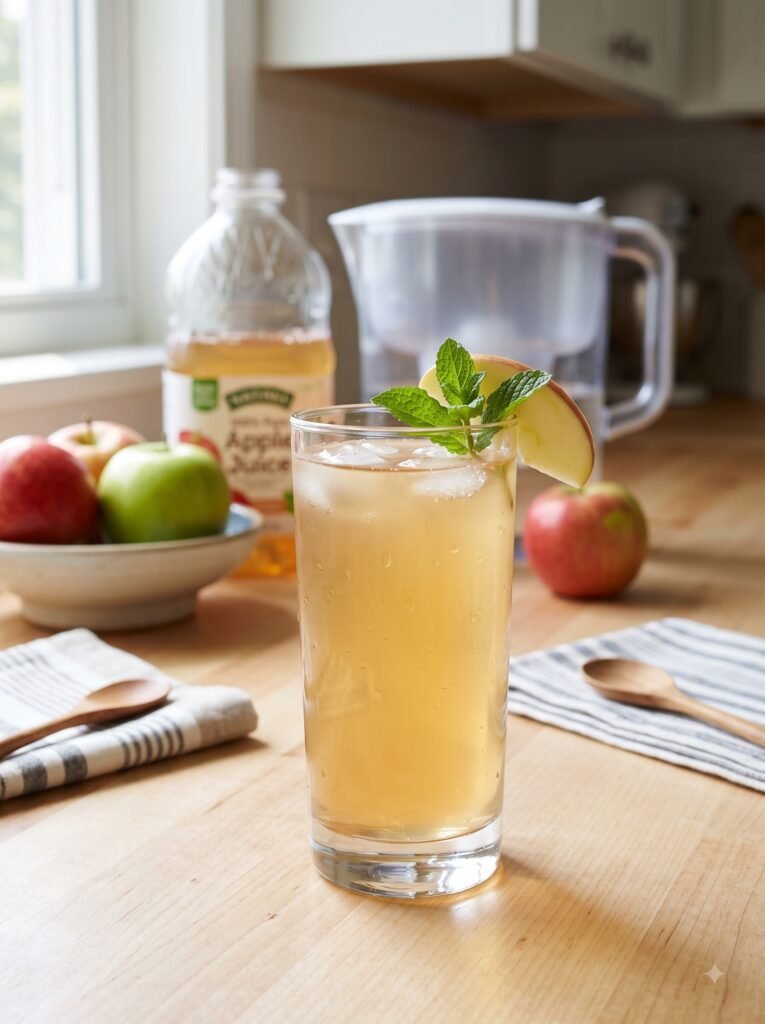
Straight fruit juice can be more sugar than you need in one sitting, but diluting it with water gives you the flavor with less sugar impact.
Why parents love it: It’s a simple way to make juice feel like a treat without a full glass of concentrated sugar.
When it works best: With breakfast or as a midday refresher.
Implementation tips: Mix one part juice to two parts water (still or sparkling) for a lighter, more hydrating pour.
Budget-friendly alternative: Buy juice concentrate, which stretches further and costs less per serving than ready-to-drink bottles.
Common mistake to avoid: Choosing juice “cocktails” or “drinks,” which often contain far more added sugar than 100% juice.
20. Warm Lemon-Ginger Honey Water

Combining two nausea-fighting favorites — lemon and ginger — with a touch of honey creates a soothing, all-purpose drink for rough mornings.
Why parents love it: It multitasks as a nausea remedy, a hydration booster, and a genuinely comforting warm drink.
When it works best: First thing in the morning, or anytime queasiness creeps in during the day.
Implementation tips: Steep fresh ginger slices in hot water for a few minutes, then stir in lemon juice and a small spoonful of honey once it’s cooled slightly.
Common mistake to avoid: Adding honey while the water is boiling hot, which can dull its flavor — stir it in once the drink has cooled slightly.
Pro Tip: Keep a thermos of this by your bed for a soothing sip before you even get up in the morning.
Frequently Asked Questions
How much water should I actually drink during pregnancy?
Most providers recommend around 8–12 cups of fluids a day during pregnancy, though your exact needs can vary based on activity level, climate, and trimester — ask your OB for personalized guidance.
Is caffeine completely off-limits during pregnancy?
No — most providers say up to about 200mg of caffeine per day (roughly one 12-ounce cup of coffee) is generally considered acceptable, but check with your provider for guidance specific to you.
Are herbal teas safe during pregnancy?
Some are and some aren’t — peppermint and ginger are commonly considered fine in moderation, but always check with your provider before regularly drinking any herbal tea, since safety can vary by ingredient and trimester.
What can I drink to help with morning sickness?
Ginger tea, lemon water, and small sips of electrolyte drinks are popular choices many women find helpful for settling nausea.
Is it safe to drink kombucha while pregnant?
It’s a personal decision to discuss with your provider, since kombucha contains trace alcohol and caffeine from fermentation — pasteurized, low-sugar varieties are generally considered the safer choice if you do choose to drink it.
Can I drink smoothies every day during pregnancy?
Yes, smoothies can be a nutritious daily habit as long as you watch for added sugars and balance them with protein and fiber, not just fruit.
What drinks should I avoid completely during pregnancy?
Alcohol should be avoided entirely, and it’s generally recommended to skip unpasteurized juices and raw-egg-based drinks like some homemade eggnog recipes.
Is coconut water better than sports drinks during pregnancy?
Coconut water is often considered a more natural option since it typically has less added sugar and fewer artificial ingredients than many commercial sports drinks, though both can help with hydration and electrolytes.
How can I tell if I’m not drinking enough fluids during pregnancy?
Dark yellow urine, dizziness, headaches, and unusual fatigue can all signal dehydration — contact your provider if symptoms persist or worsen.
Can I still enjoy soda occasionally during pregnancy?
Occasional soda in moderation is generally fine for most pregnancies, but leaning on healthier alternatives most of the time gives you more nutritional benefit for the same amount of liquid.
Final Thoughts
Staying hydrated during pregnancy doesn’t mean choking down glass after glass of plain water for nine straight months. From soothing ginger tea to refreshing infused water to a cozy mug of golden milk, there are plenty of healthy pregnancy drinks besides water to keep things interesting while still supporting you and your baby.
Try a few of these options and see which ones actually fit your taste buds, your symptoms, and your daily routine — pregnancy cravings and aversions can shift week to week, so what works today might not work next month, and that’s completely normal.
Whatever you choose, listen to your body, keep your provider in the loop on anything new you’re trying, and remember that finding drinks you actually enjoy is one of the easiest ways to stay consistently hydrated through every trimester.