
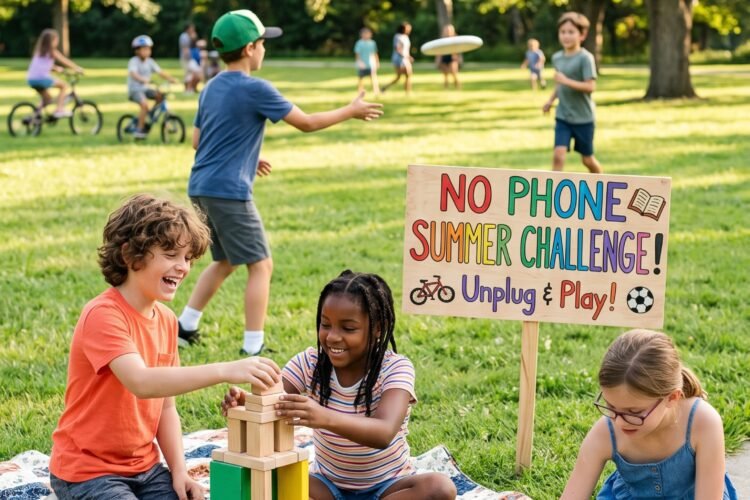
Let me paint you a picture.
It’s 8:53 in the morning. Summer break officially started four days ago. Your kid has already watched three episodes of something, played two hours of Roblox, and is now lying face-down on the couch with their phone held six inches from their nose.
Sound familiar?
You’re not alone — and you’re definitely not a bad parent for letting it happen. But somewhere in the back of your mind, you keep thinking: there has to be a better version of this summer.
That’s exactly what the No Phone Summer Challenge is all about.
It’s not about punishment. It’s not about being the “strict parent” who bans everything digital. It’s about giving your kids — and honestly, yourself — 30 days of a summer that actually feels like summer. The kind with popsicles and grass-stained knees and conversations that don’t involve a screen between you.
And the best part? This challenge is completely doable. Even with teens. Even with toddlers. Even with you on it too.
Let’s get into it.
What Is the No Phone Summer Challenge?
The No Phone Summer Challenge is a 30-day family commitment to drastically reducing — or entirely eliminating — recreational screen time during summer break and replacing it with intentional, hands-on activities.
It doesn’t mean your kids can never touch a device again. It means that for 30 days, screens stop being the default and start being the exception.
The rules look different for every family, but the spirit is the same: more real life, less scroll life.
Why This Summer Is the Perfect Time to Try It
Here’s something worth knowing: searches for “no phone summer” on Pinterest are up 340% this year. Parents everywhere are waking up to the same thing you’re feeling — that screens have quietly taken over summers that were supposed to be magical.
The American Academy of Child and Adolescent Psychiatry reports that the average child aged 8–18 now spends seven and a half hours daily on screens. Seven and a half hours. That’s almost a full school day — every single day — spent passively consuming content instead of building skills, making memories, or just being bored enough to get creative.
And here’s the thing about boredom: it’s actually good for kids. Research consistently shows that unstructured, screen-free time is where creativity, confidence, and problem-solving skills grow. The boredom isn’t the problem — it’s the doorway to something better.
This summer, let’s walk through it together.
Before You Start: Setting Up for Success
Don’t just announce “no phones starting Monday” and hope for the best. A little upfront setup makes a massive difference.
Have a Family Meeting First
Explain the why behind the challenge in an honest, age-appropriate way. For younger kids: “We’re going to try something fun this summer — 30 days of adventures without phones!” For older kids and teens: “Screens are easy, but easy isn’t always the best. Let’s see what this summer can actually be.”
The key is to frame it as a challenge you’re all doing together — not a punishment aimed at the kids.
Set Clear Ground Rules
Every family’s version of “no phone summer” will look a little different. Decide upfront:
- What counts as screen time? (TV, tablets, gaming consoles, YouTube on the TV — not just phones)
- Are there exceptions? (Video calls with grandparents? Educational apps? Family movie nights?)
- Does this apply to parents too? (Spoiler: it should. Kids watch us more than they listen to us.)
- What happens if someone slips up? (Grace, not shame — and a reset the next day)
Write the rules down. Post them on the fridge. Make it official.
Create a “Boredom Buster Jar”
Before Day 1, sit together and write activity ideas on slips of paper. Fill a jar. When someone says “I’m bored” — and they will — they pull a slip instead of reaching for a phone. It works surprisingly well.
Read More: 50 Summer Boredom Busters for Kids at Home
The 30-Day No Phone Summer Challenge: Week by Week
Here’s how to structure your 30 days so it builds momentum instead of burning out by Day 5.
Week 1 (Days 1–7): The Detox Week
The first week is the hardest. Be prepared for some resistance — especially from older kids. Keep activities low-effort and high-fun to ease the transition.
Day 1 — Kick-Off Family Picnic Start with something celebratory. Pack lunch, go to a park, leave phones at home. Make it feel like an event, not a deprivation.

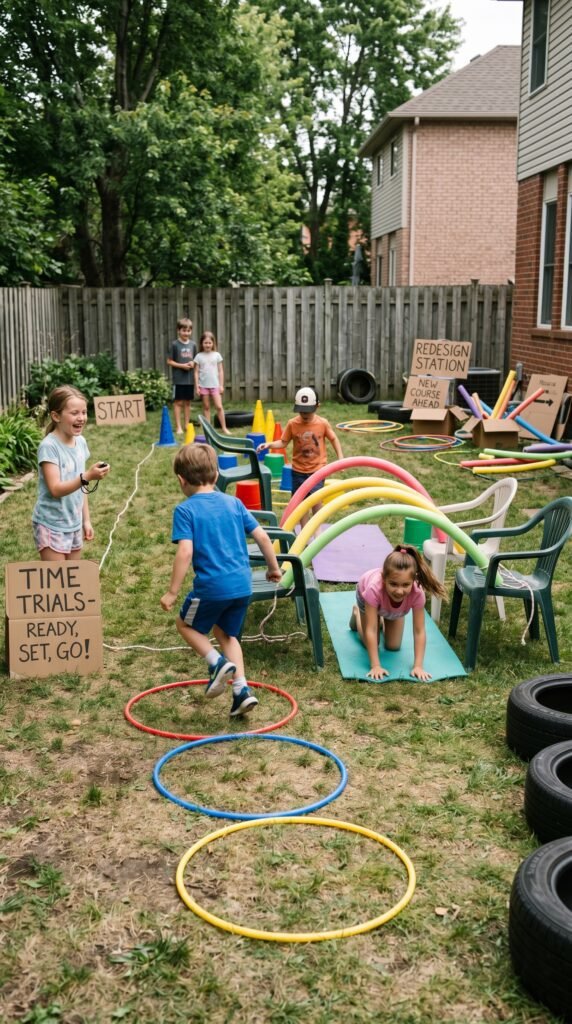
Day 2 — Backyard Obstacle Course Use whatever you have — hula hoops, jump ropes, pool noodles, chairs. Time each other. Let the kids redesign it every round.
Day 3 — Library Day Sign up for the summer reading challenge. Let every kid pick three books they actually want to read (not ones you think they should). No pressure, just browsing.

Day 4 — Baking Day Pick one recipe to make together. Cookies, bread, pizza dough — anything where kids can measure, mix, and make something with their hands.

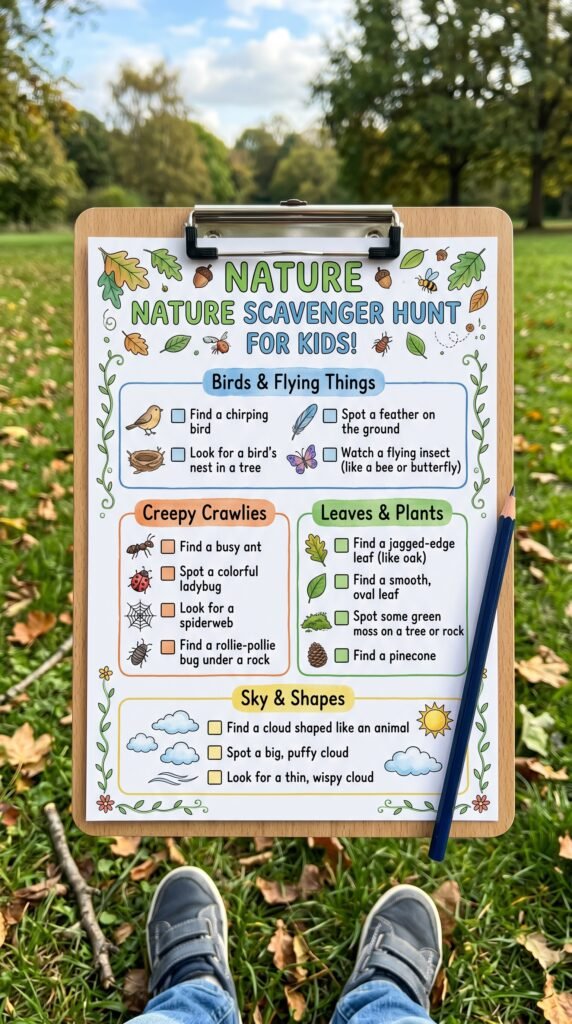
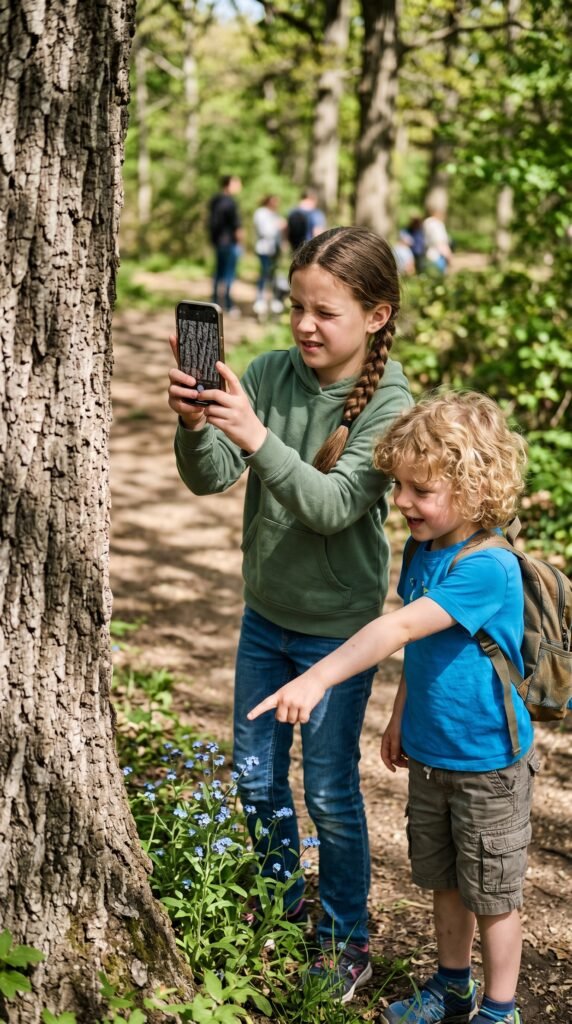
Day 5 — Nature Scavenger Hunt Print a free list (birds, bugs, specific leaves, cloud shapes) and spend an hour outside hunting. Works for ages 3–13 easily.
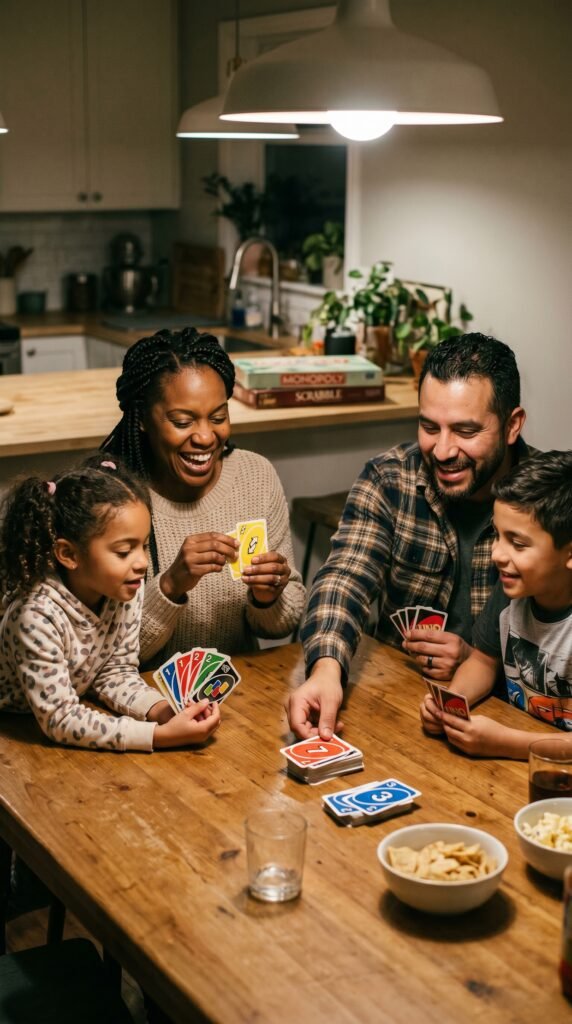
Day 6 — Family Game Night Dust off the board games. Card games count. Even UNO played at the kitchen table is better than everyone scrolling separately.
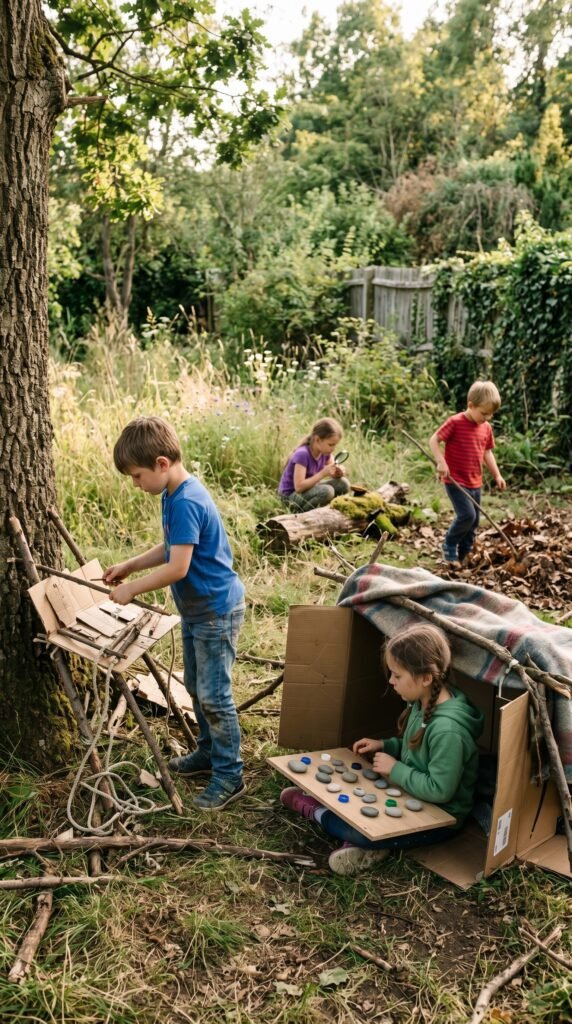
Day 7 — Free Choice Day Give the kids a totally unstructured day and see what they invent. Resist the urge to fill the silence. Let boredom do its work.
Week 2 (Days 8–14): The Creative Week
By now the initial resistance usually softens. Kids start remembering how to entertain themselves. Lean into creativity.
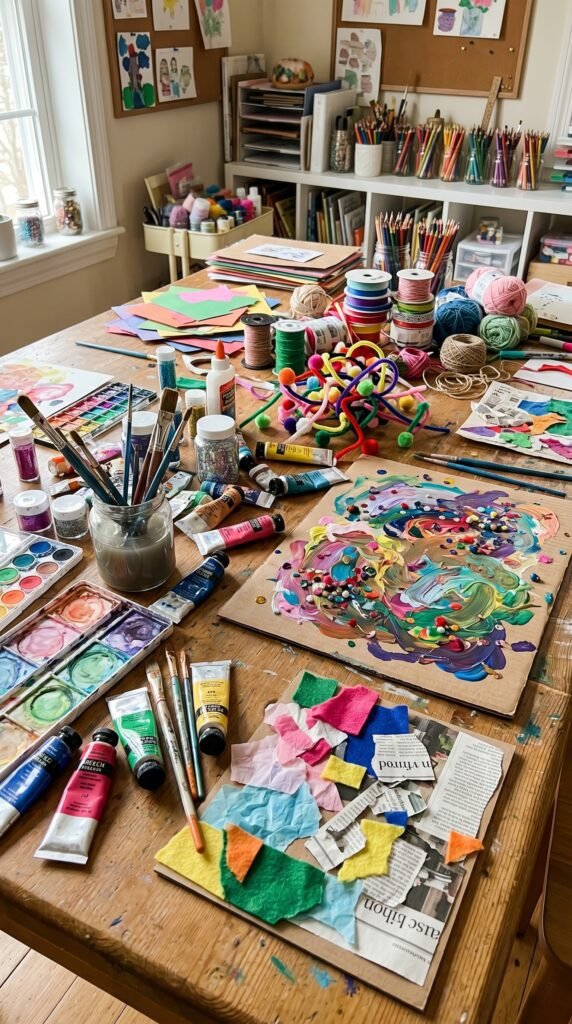
Day 8 — Art Supply Raid Set out every craft supply you own. No instructions, no project — just make things. Abstract art counts.
Day 9 — DIY Lemonade Stand Let them plan it, make the signs, set the prices, handle the money. Entrepreneurship in action.

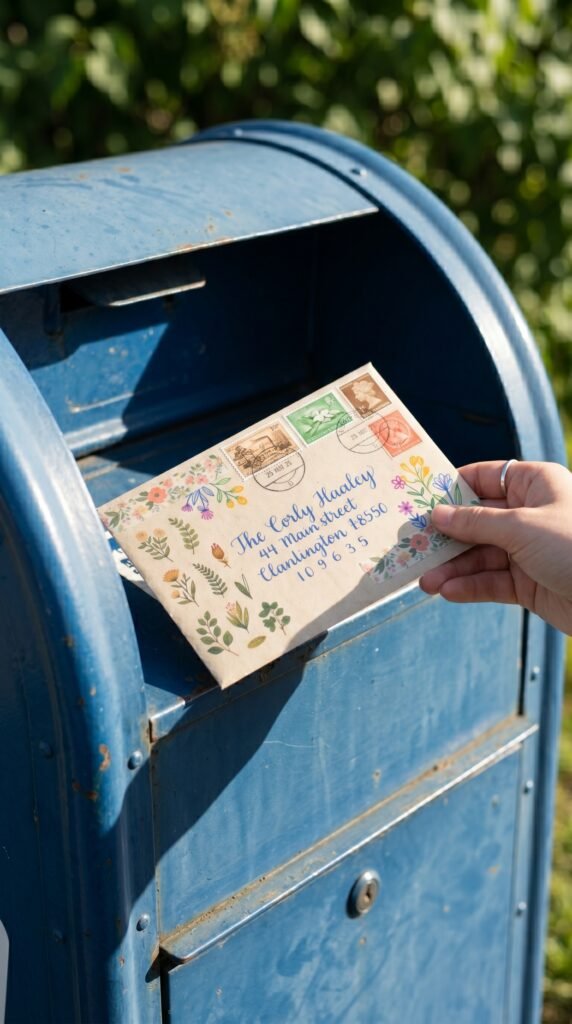
Day 10 — Pen Pal Letters Pick a relative, friend, or neighbour and write actual, physical letters. Decorate the envelopes. Mail them.
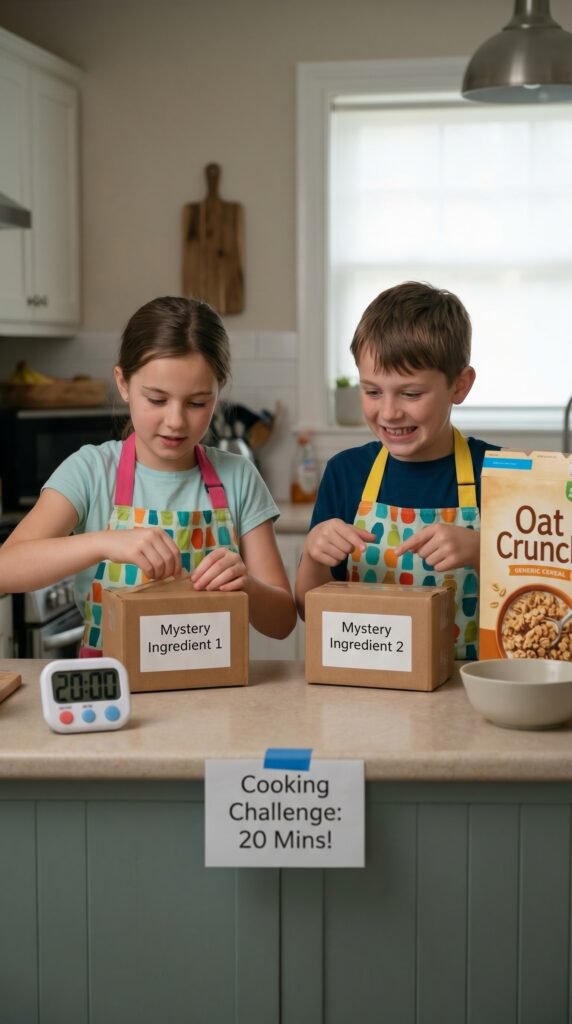
Day 11 — Cooking Challenge Give each kid a mystery ingredient and 20 minutes to make something edible with it. Keep it fun and low-stakes (and maybe keep cereal on standby).
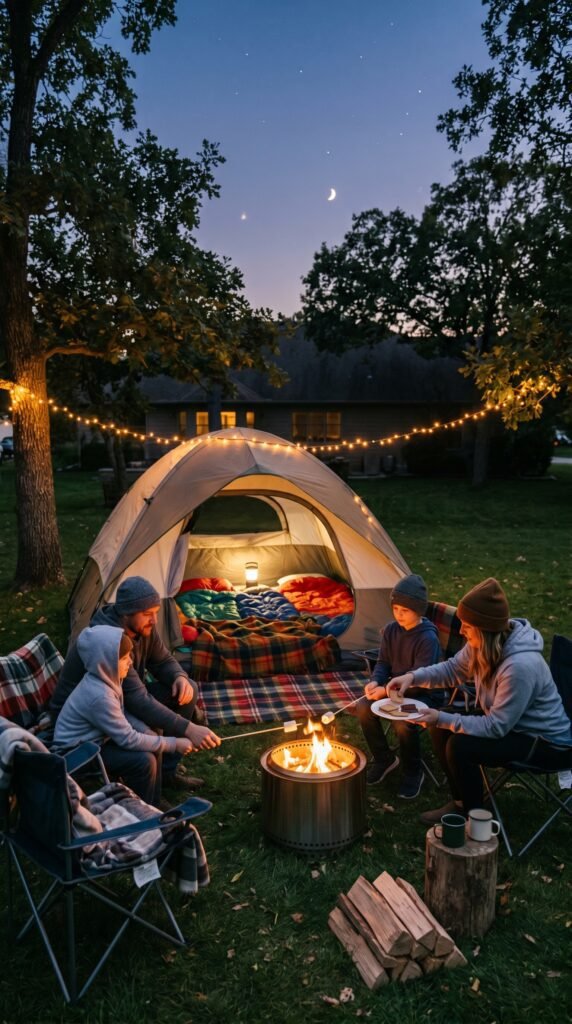
Day 12 — Backyard Camping Night Drag out blankets and sleeping bags. Make s’mores if you can. Even if you come inside at 10pm, the effort counts.
Day 13 — Tie-Dye Day A summer classic for a reason. Tie-dye t-shirts, pillow cases, socks — anything white. Lay them out flat and photograph the results.

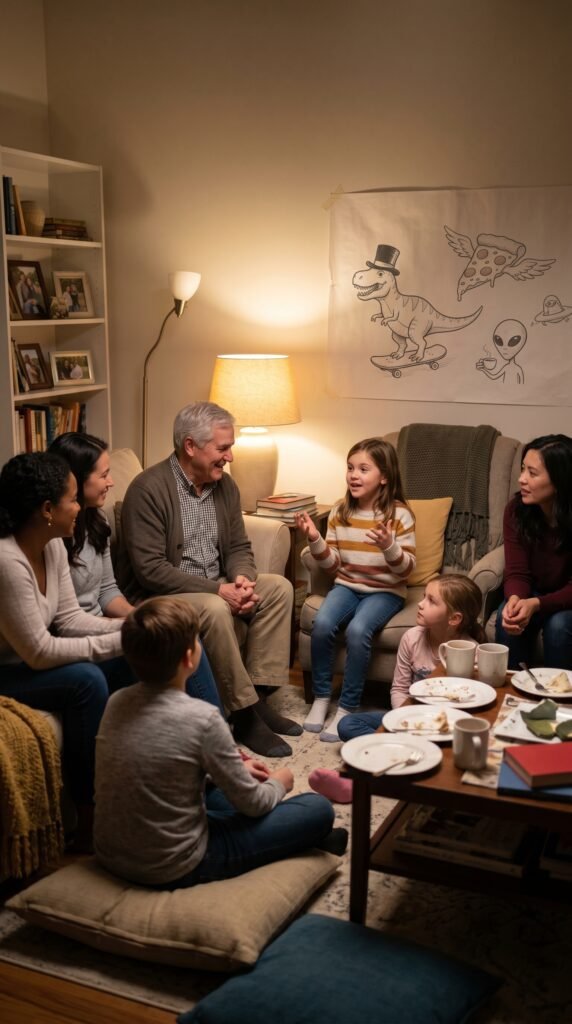
Day 14 — Storytelling Night After dinner, everyone takes turns adding to a story — one sentence at a time. Starts normal, ends absolutely chaotic. Kids love it.
Week 3 (Days 15–21): The Adventure Week
You’re halfway through. Celebrate that. Then take things up a notch with bigger outings and experiences.
Day 15 — New Park Discovery Research a park you’ve never visited. Even 20 minutes away counts as a “new place.” Kids genuinely find this exciting.

Day 16 — Bike Ride or Nature Walk No destination required. Just move. If you have littles who can’t bike, a wagon or stroller works fine.

Day 17 — DIY Science Day Baking soda volcanoes, slime, ice cube experiments — look up 2–3 easy STEM experiments and try them all. Prepare for mess. Prepare for joy.

Day 18 — Visit a Local Market or Fair Farmers markets, craft fairs, local food stalls — these are perfect, no-screen adventures that feel like an event.

Day 19 — Photography Walk Give kids a phone just for photos (yes, a specific, time-limited exception) and a theme: “Textures,” “Things That Are Blue,” “Shadows.” Look at the results together after. It’s surprisingly artistic.
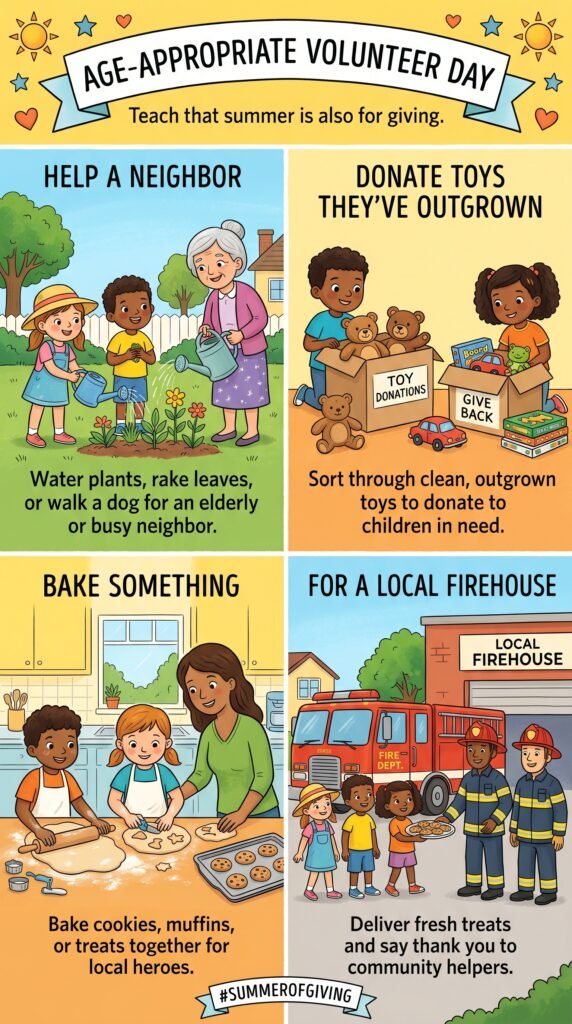
Day 20 — Volunteer Day Age-appropriate: help a neighbour, donate toys they’ve outgrown, bake something for a local firehouse. Teach that summer is also for giving.
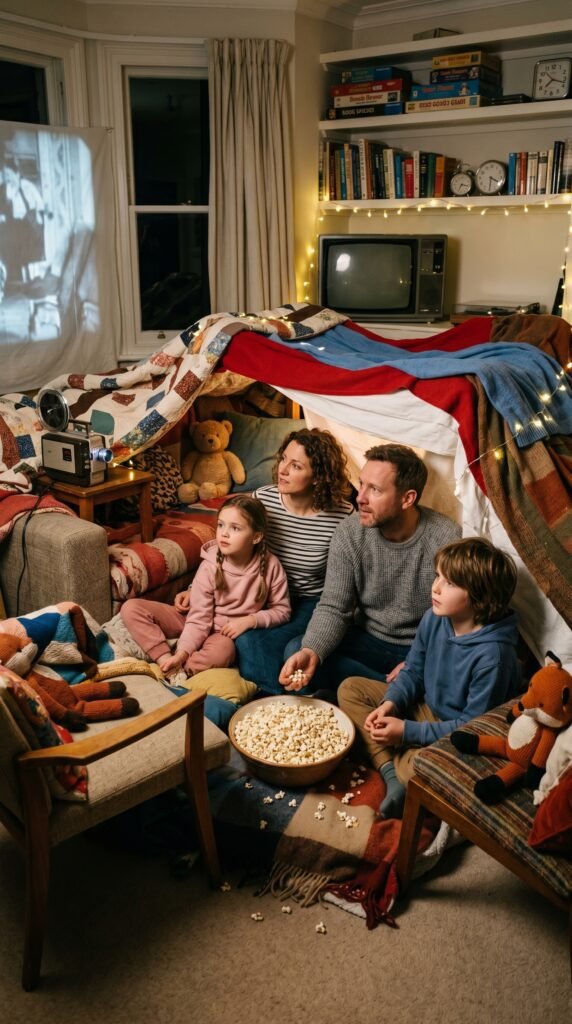
Day 21 — Movie Night — The Old-Fashioned Way Make popcorn, build a blanket fort, watch one movie together as a family. This is a chosen screen moment — completely different from mindless scrolling.
Week 4 (Days 22–28): The Reflection Week
Start weaving in conversations about what’s been different this summer. Kids often surprise you with what they’ve noticed.
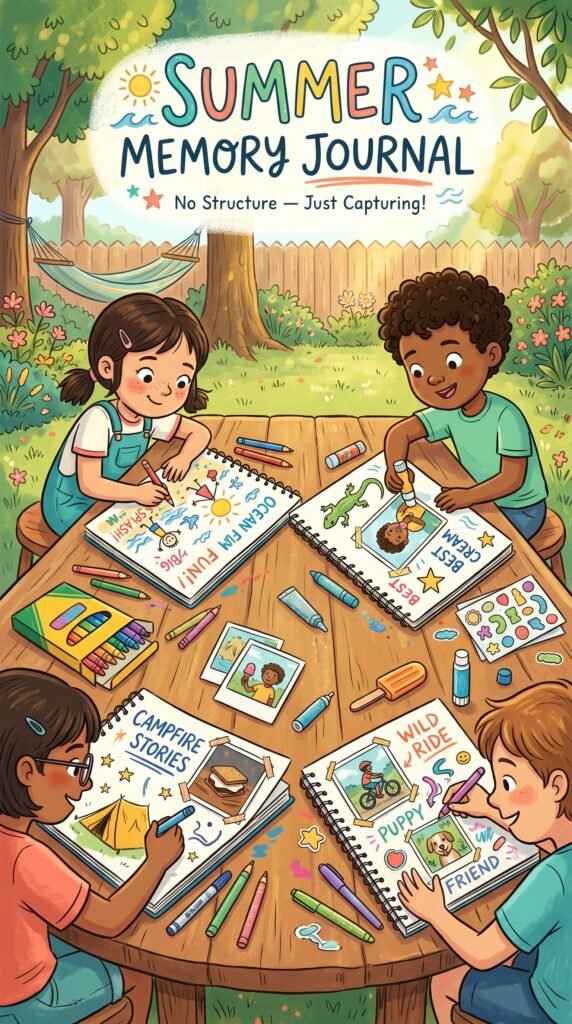
Day 22 — Summer Memory Journal Give each kid a notebook. Draw, write, or stick in photos of their favourite moments so far. No structure — just capturing.
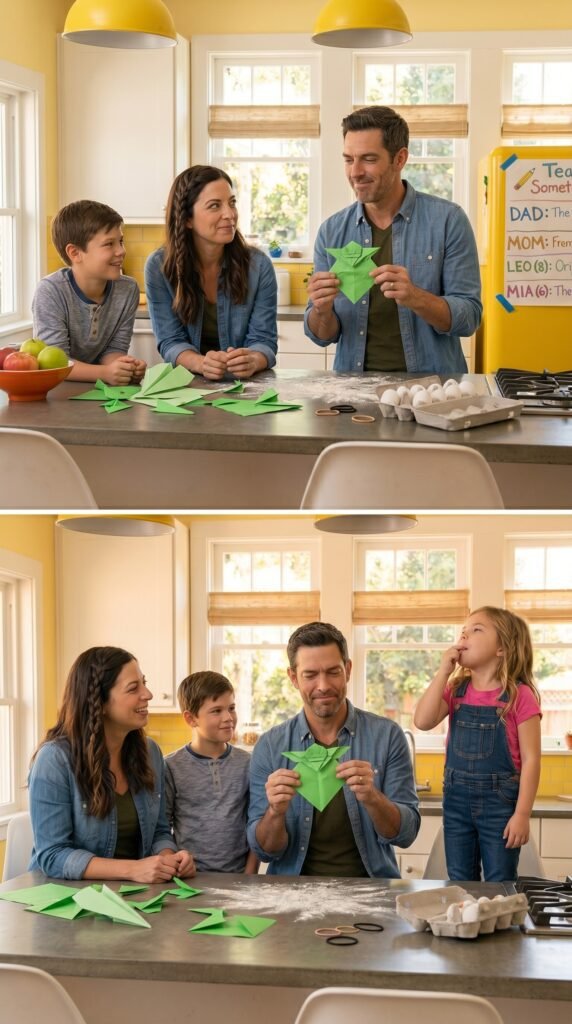
Day 23 — Teach Me Something Day Each family member teaches the others one skill. Kids love this because it puts them in charge: origami, a card trick, how to do a cartwheel, how to whistle.
Day 24 — Water Play Day Sprinklers, water balloons, a slip-and-slide from a plastic tablecloth and dish soap. Classic, free, unforgettable.

Day 25 — Cook a Full Family Dinner Together Everyone has a job: chopping (age-appropriate), stirring, setting the table, picking the music. Sit down together and eat what you made.

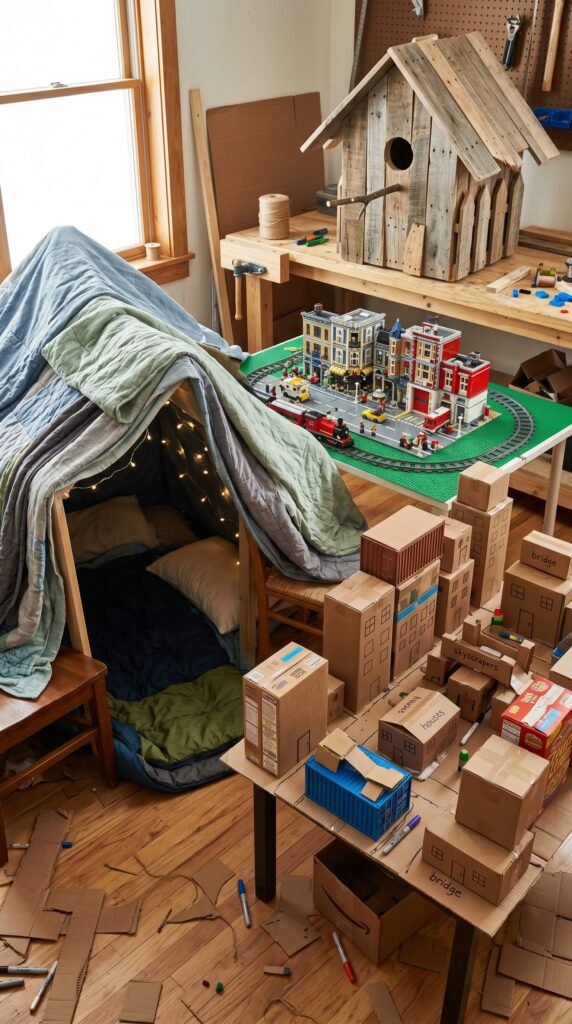
Day 26 — Build Something Blanket fort, cardboard box city, LEGO city, a birdhouse from scrap wood — anything tactile and three-dimensional.
Day 27 — Explore Your Own Town Be a tourist in your own city. Visit a museum, a monument, or a neighbourhood you’ve never walked through. Ask kids to take notes on three interesting things they learn.

Day 28 — Gratitude Circle At dinner, go around the table: “One thing I loved about this summer so far.” You might tear up a little. That’s okay.

Days 29–30: The Big Finish
Day 29 — Throwback Day Play the games you played as a kid. Marbles, hopscotch, four square, hide-and-seek after dark. Tell stories about your own childhood summers.
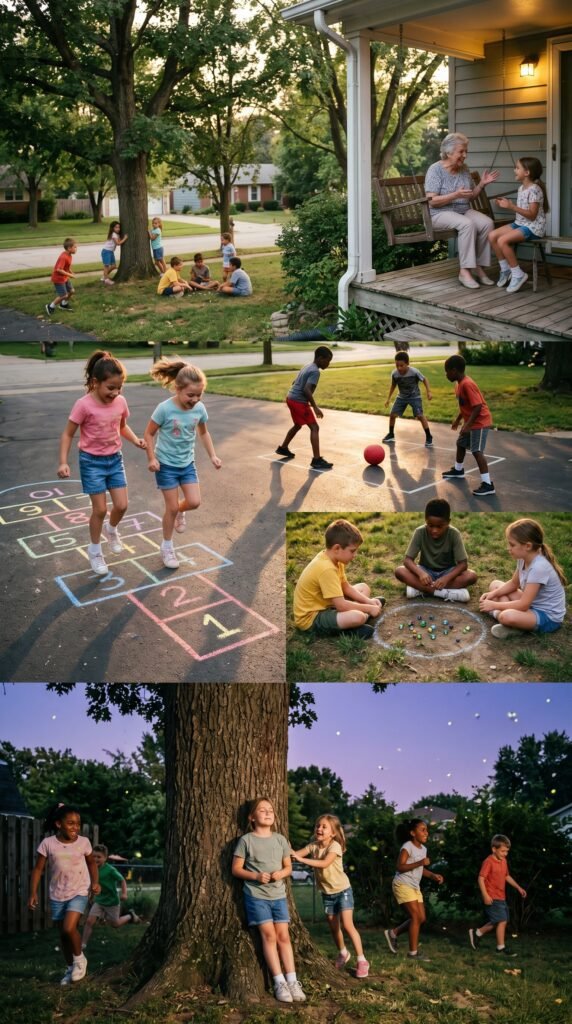
Day 30 — Celebration Day You did it. Mark it with something meaningful — a special meal, a family outing, or just a quiet evening acknowledging together: we chose real life this summer, and it was worth it.

Handling the Hard Moments (Because There Will Be Some)
“I’m SO Bored”
Let it sit for a little while. Seriously. The discomfort of boredom is exactly where creativity lives. If it escalates, direct them to the Boredom Buster Jar — but give the boredom at least 15 minutes to work its magic first.
The Teen Who Refuses
Don’t make it a battle of wills. Instead: give them ownership. Ask them to help plan three of the week’s activities. When kids have a hand in making the plan, they’re significantly more likely to show up for it.
When You Slip Up
Someone will cave and spend 45 minutes on YouTube. It’s going to happen. The response matters more than the slip. Don’t shame, don’t catastrophise — just reset. Tomorrow is Day [whatever] again.
When Parents Are the Problem
We’re all guilty of checking emails “just for a second” while the kids are talking to us. The No Phone Summer Challenge works best when parents are genuinely in it too — not just monitoring from the sidelines with your own phone in hand.
What to Expect After 30 Days
Families who try this consistently report the same things:
Kids start entertaining themselves again. It takes about a week for the muscle memory of boredom-to-creativity to come back, but it does come back.
Everyone sleeps better. No blue light before bed, more physical activity during the day — the whole family’s sleep quality usually improves noticeably.
Conversations get deeper. When phones aren’t on the table, dinner actually becomes a place where people talk. Real talk. About feelings, ideas, funny things that happened.
Kids feel less anxious. There’s a reason mental health professionals are increasingly connecting heavy screen use in children to higher anxiety. Less scroll = less comparison, less overstimulation, more groundedness.
You’ll remember this summer. Thirty days from now, you’ll have stories. Inside jokes. Photos that aren’t of a screen. And kids who — even if they’d never admit it — had more fun than they expected.
Free Printable: 30-Day No Phone Summer Challenge Tracker
📌 Save this pin and print our free 30-day challenge tracker to stick on your fridge! Each day gets a star sticker when you complete it. Kids love watching the chart fill up.
(Link your printable here once created — see your Planners & Checklists category!)
The Bottom Line
The No Phone Summer Challenge isn’t about being a perfect parent or raising screen-free children in a world that runs on technology. It’s about choosing — deliberately, intentionally — to give your family 30 days of something more.
More outside. More together. More bored-enough-to-be-creative.
Summer is short. Childhood is shorter.
This year, let’s make it count.