That positive test hits different, doesn’t it?
One minute you’re staring at a tiny stick in your bathroom like it personally offended you, and the next you’re thinking about due dates, prenatal vitamins, baby names, and whether eating cereal for dinner still counts as self-care. If you just found out you’re pregnant, first of all—deep breath. You do not need to figure out your entire future before lunch.
You just need to take a few smart first steps.
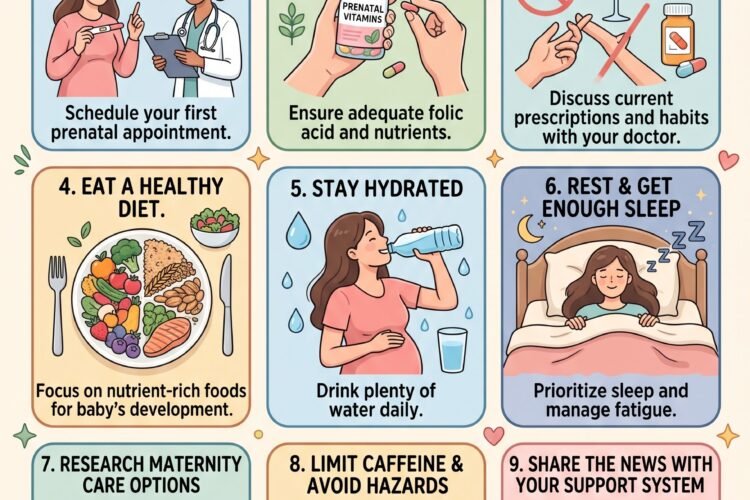
This guide walks you through 9 important things to do right away when you find out you’re pregnant. Nothing dramatic. Nothing preachy. Just practical, reassuring, real-life advice for those very early days when your brain is moving at 900 miles an hour and your body is already like, “Cool, I’m exhausted now.”
If you’ve been searching for what to do when you find out you’re pregnant, first trimester to-do list, or early pregnancy tips for first-time moms, you’re in exactly the right place.
1. Take Another Test If You Need Peace of Mind
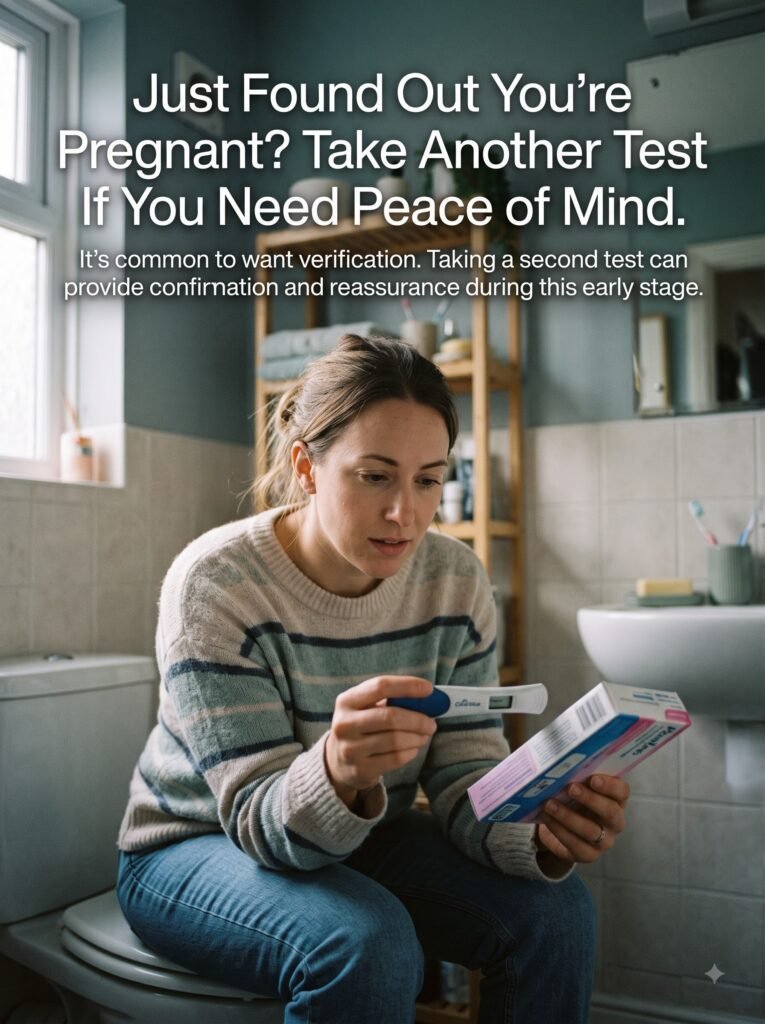
If you already took one pregnancy test and it came back positive, there’s a very good chance it’s accurate. Still, if your brain wants a second test just to calm down, go ahead. Honestly, plenty of people do this. You’re not being dramatic. You’re being human.
Use the second test first thing in the morning if possible, since that’s usually when your urine is most concentrated. If both tests come back positive, that’s your sign to move forward and start making a plan.
Why this matters
The first few hours after finding out you’re pregnant can feel surreal. A second test can give you a little emotional grounding before you start calling doctors or spiraling into a 47-tab Google session. Which, fair.
2. Start Taking a Prenatal Vitamin Immediately

If you aren’t already taking a prenatal vitamin, start now. This is one of the most important early pregnancy steps, and thankfully, it’s also one of the easiest.
Look for a prenatal that includes:
- Folic acid
- Iron
- Calcium
- Vitamin D
- Iodine
- DHA if possible
Folic acid matters a lot in early pregnancy because it helps support your baby’s neural tube development. And yes, this starts very early, which is why doctors always bring it up so fast.
Why this matters
You do not need the “perfect” prenatal on day one. You just need a solid one. Start with what you can get, then ask your provider if they recommend a specific brand. IMO, this is not the moment to overcomplicate a vitamin aisle decision.
3. Call Your OB-GYN or Midwife and Schedule Your First Appointment
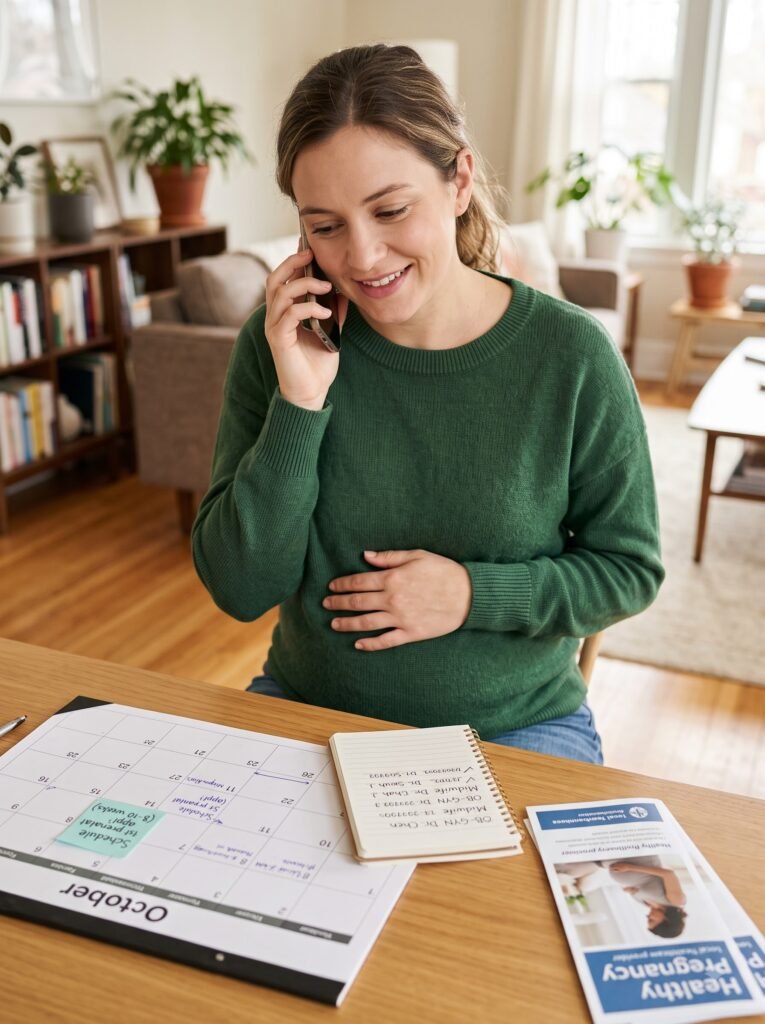
Once you’ve confirmed the pregnancy, call your OB-GYN, family doctor, or midwife and let them know you just got a positive test. They’ll tell you when to come in for your first prenatal visit.
A lot of people assume they need to be seen immediately, but many providers schedule the first appointment around 8 weeks or so, unless you have symptoms or a medical history that calls for earlier care. So if they don’t rush you in tomorrow, don’t panic.
Why this matters
Getting on the schedule early helps you:
- Start prenatal care
- Ask questions about medications and symptoms
- Confirm dating
- Build a care plan for the first trimester
Also, clinics book up. Cute, right? So make the call sooner rather than later.
4. Review Any Medications You’re Taking
This one matters fast. If you take prescription medication, over-the-counter medicine, supplements, or herbal products, check in with your doctor or pharmacist as soon as possible.
Do not panic-stop important medication without medical advice. That can create its own problems. Just get professional guidance quickly so you know what’s safe to continue, stop, or switch.
Check these specifically:
- Prescription medications
- Pain relievers
- Allergy meds
- Anxiety or depression meds
- Sleep aids
- Herbal supplements
- Acne treatments
- Topical creams with active ingredients
Why this matters
Some medications are totally fine in pregnancy. Some need adjustments. Some should go. This is one of those “handle it early and avoid unnecessary stress later” things.
5. Stop Anything That Isn’t Pregnancy-Friendly
You don’t need to transform into a flawless wellness goddess overnight, but you do want to make a few immediate swaps.
Right away, stop or avoid:
- Alcohol
- Smoking
- Recreational drugs
- Excessively high caffeine
- Raw or undercooked meats
- High-mercury fish
- Unpasteurized dairy products
If you smoke, drink regularly, or use substances and stopping feels hard, tell your provider. Zero shame. The goal is support, not guilt.
Why this matters
The early weeks of pregnancy matter, and cutting out the obvious risk factors ASAP gives your baby a healthier start. It also gives you one less thing to stress about later.
6. Start Tracking Your Symptoms and Cycle Dates
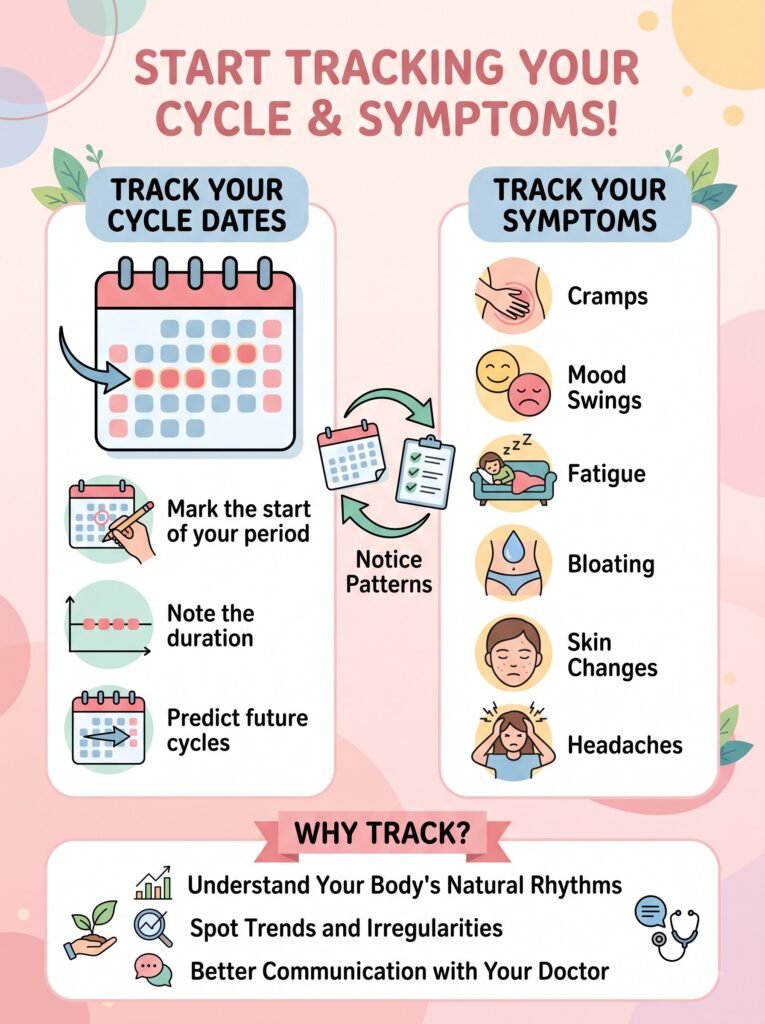
Open your notes app, grab a planner, or use a pregnancy app if that’s your thing. Start writing down:
- The date of your positive test
- The first day of your last period
- Any symptoms you notice
- Questions for your doctor
- Any spotting, cramping, nausea, or fatigue
This becomes super helpful when you talk to your provider, especially if you’re trying to estimate how far along you are.
Common early pregnancy symptoms include:
- Fatigue
- Tender breasts
- Nausea
- Bloating
- Cramping
- Food aversions
- Mood swings
- Frequent urination
Why this matters
Pregnancy brain can show up offensively early. You think you’ll remember everything, and then suddenly you can’t remember why you walked into the kitchen. Write it down. Future you will appreciate the backup.
7. Focus on the Basics: Water, Food, Rest

You do not need a flawless pregnancy meal plan by tonight. Please don’t do that to yourself.
If you just found out you’re pregnant, your best move is to focus on the basics:
- Drink more water
- Eat regularly
- Choose simple, nourishing foods
- Rest when your body asks for it
If nausea already hit you like a truck, try bland foods like crackers, toast, rice, bananas, applesauce, or plain pasta. Small meals often work better than big ones in early pregnancy.
Why this matters
Early pregnancy can bring fatigue, nausea, dizziness, and random food drama. Keeping yourself hydrated and fed helps more than people realize. Also, if your current “healthy meal” is toast and peanut butter, that still counts as survival. Gold star.
8. Learn the Red-Flag Symptoms That Mean You Should Call Right Away
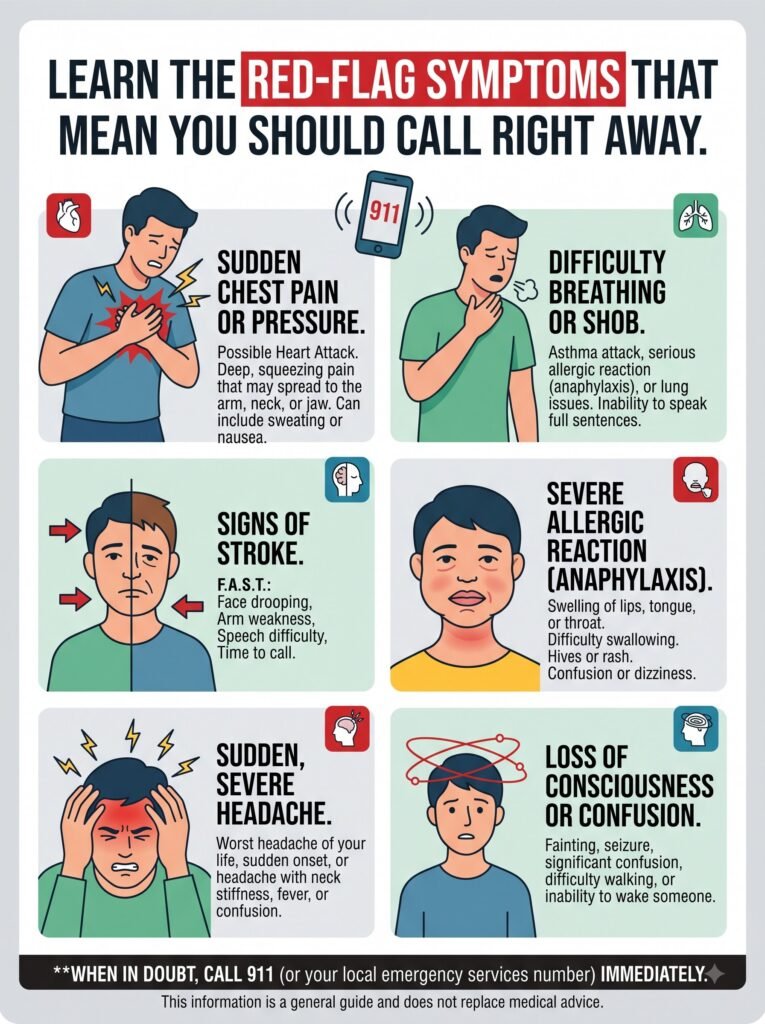
Most early pregnancy symptoms fall into the normal-but-annoying category. Some symptoms need faster medical attention.
Call your doctor promptly if you have:
- Heavy bleeding
- Severe abdominal pain
- Sharp one-sided pain
- Fainting
- Fever
- Severe vomiting
- Signs of dehydration
This doesn’t mean every cramp is an emergency. Mild cramping and light spotting can happen. But when something feels intense, unusual, or scary, call. Seriously. You are allowed to trust your gut here.
Why this matters
Knowing the red flags helps you stay calm about normal symptoms while still taking important warning signs seriously. It’s the balance nobody talks about enough.
9. Decide Who You Want to Tell—and Who Can Wait

The second you see that positive test, the urge to text everybody can hit hard. Or maybe the opposite happens and you want to tell absolutely no one until you’ve had twelve business days to process. Both are normal.
There is no perfect rule for when to announce a pregnancy. Some people tell their partner or best friend immediately. Some wait until the first appointment. Some tell one safe person because they need support. That’s valid too.
Ask yourself:
- Who would support me right now?
- Who can keep this private if I want that?
- Who would I want to know if things got complicated?
- Do I want to wait until after my first appointment?
Why this matters
This news belongs to you. You don’t owe instant updates to relatives, coworkers, or that one friend who somehow makes everything about herself. Boundaries are your friend.
A Few Things You Do Not Need to Do Right Away
Now for the part nobody says loudly enough: you do not need to do everything this week.
You do not need to:
- Pick a stroller
- Design a nursery
- Read 14 pregnancy books in one weekend
- Download every baby app on earth
- Announce on social media
- Figure out your birth plan immediately
- Pretend you feel calm if you absolutely do not
You just need to take the next right step. That’s it.
If you feel excited, scared, happy, numb, emotional, grateful, confused, or all six at once, welcome to the club. Early pregnancy is a lot. And yes, your hormones may already be auditioning for chaos.
What to Do When You Find Out You’re Pregnant: Quick Checklist
If you want the short version, here it is.
Just found out you’re pregnant? Do these 9 things right away:
- Take a second test if you want reassurance
- Start a prenatal vitamin
- Schedule your first prenatal appointment
- Review your medications with a professional
- Stop alcohol, smoking, and other unsafe substances
- Track your symptoms and dates
- Prioritize water, food, and rest
- Learn the warning signs that need medical attention
- Decide who you want to tell
Simple. Not always glamorous, but solid.
Final Thoughts
Finding out you’re pregnant can feel magical, terrifying, exciting, and deeply weird all at once. One minute you’re smiling at a positive test, and the next you’re googling whether pickles and cereal count as a prenatal personality trait. Pregnancy really knows how to keep things interesting.
The good news? If you just found out you’re pregnant, you do not need to have every answer right now. Start with these 9 important first steps, take care of yourself, and let things unfold one decision at a time.
You’re not behind. You’re not doing it wrong. You’re just at the beginning.
And honestly? That’s a pretty big deal.