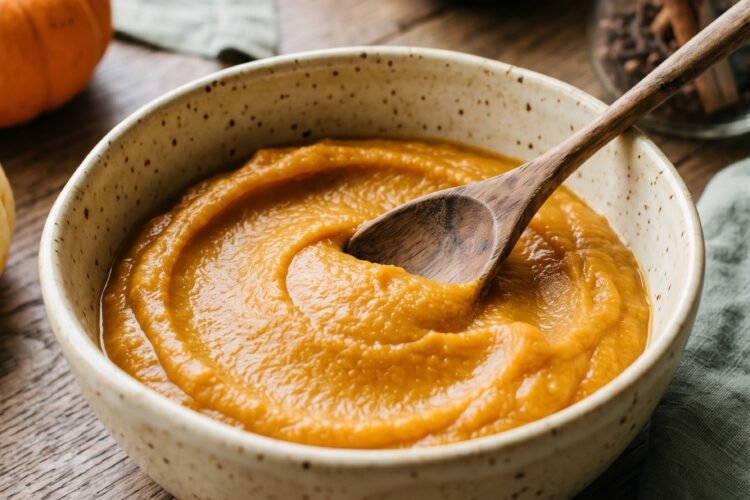
So your tiny human is finally old enough for real food, and you’re standing in the kitchen holding a pumpkin like, “Now what?” Welcome to the beautiful chaos of introducing solids! Spoiler alert: it’s way less scary than it looks, and pumpkin puree is basically the golden ticket of first foods. It’s smooth, mildly sweet, stupidly easy to make — and your baby? They’re going to love it. (Well, at least they won’t spit it out immediately. Probably. No guarantees.)
Let’s get into it.
What Makes This Recipe Awesome
Okay, let me count the ways. First — zero cooking skills required. Like, genuinely zero. You bake a pumpkin, scoop it out, blend it. That’s the whole recipe. Even I didn’t mess it up, and I once burned water.
Second, this is 100% clean, no-additive baby food. You know exactly what’s going in that tiny mouth — no weird preservatives, no mystery ingredients, no guilt-spiral at 2 AM. Store-bought baby food is fine, but homemade hits different when you’re a new parent who wants to feel like they have something under control.
Third, it freezes beautifully. Make a big batch on Sunday, freeze it in ice cube trays, and boom — you’ve got baby meals ready for the next 3 months. Future You is going to thank Present You so hard right now.
Oh, and did I mention pumpkin smells incredible when it roasts? Your house is basically a cozy autumn candle commercial. Bonus.
Shopping List – Ingredients
Keep it simple, keep it fresh. Here’s all you need:
- 1 small sugar pumpkin (aka pie pumpkin) — Not the giant Halloween decoration kind. That one’s for carving, not eating. Don’t mix them up. Please.
- A tiny drizzle of water — For blending to the right consistency. Revolutionary, I know.
- That’s it. Yep. Two ingredients. You’re basically a chef now.
Optional add-ins for 8+ months (once baby’s got a few foods under their belt): a pinch of cinnamon, a tiny scrape of nutmeg, or a spoonful of plain full-fat yogurt mixed in for creaminess.
Step-by-Step Instructions
Step 1: Preheat your oven to 400°F (200°C). Yes, you have to preheat. Don’t skip this. (More on that later.) Line a baking sheet with parchment paper or foil while you’re at it — your future self will appreciate the easy cleanup.
Step 2: Prep the pumpkin. Wash the outside of the pumpkin first (it’s been sitting in a store, who knows). Slice it in half from top to bottom. Scoop out the seeds and stringy bits with a spoon. Keep the seeds if you want to roast them later — chef’s kiss snack.
Step 3: Place pumpkin face-down on the baking sheet. Cut side down, skin side up. Pop it in the oven for 45–60 minutes, depending on size. You’ll know it’s done when a fork slides in super easily, like butter. Soft and golden = perfection.
Step 4: Let it cool. For real, let it cool. Burnt fingers help no one. Give it at least 15–20 minutes before you handle it. Use this time to make coffee. You deserve it.
Step 5: Scoop and blend. Use a spoon to scoop the soft pumpkin flesh away from the skin. Toss the flesh into a blender or food processor. Add 1–2 tablespoons of water to get things moving, and blend until completely smooth. No lumps. Babies have zero tolerance for lumps at this stage.
Step 6: Taste-test (optional but recommended). Seriously, give it a try! It should taste mildly sweet and earthy. If it tastes good to you, it’ll taste great to your baby.
Step 7: Serve or store. Serve immediately at room temperature, refrigerate for up to 3 days in an airtight container, or freeze in ice cube trays for up to 3 months. Boom. Done. You’re a baby food wizard.
Health Benefits
Okay, real talk — pumpkin for babies isn’t just easy, it’s genuinely one of the most nutritious first foods you can offer. Here’s why this little orange gourd is basically a superfood in disguise:
Beta-Carotene (Vitamin A): Pumpkin is loaded with beta-carotene, which the body converts into Vitamin A. This is crucial for healthy eye development, immune function, and skin health in babies. Basically, it’s brain AND body fuel.
Fiber: Gentle on tiny digestive systems, pumpkin’s natural fiber helps keep things… moving. If you know, you know. Every new parent knows.
Potassium: Supports healthy muscle function and heart health. Tiny heart, big needs.
Vitamin C: Boosts immunity and helps with iron absorption — super important during this stage of rapid growth.
Low allergen risk: Pumpkin is one of the least allergenic foods, making it a safe and smart first introduction to solids.
Naturally sweet: That mild sweetness makes it palatable for babies just discovering flavor — it bridges the gap between breast milk/formula and more complex tastes.
FYI, the deeper the orange color, the higher the beta-carotene content. Pick a pumpkin that looks vibrant and firm!
Avoid These Mistakes
Oh, the rookie errors. We’ve all been there (or we would’ve been, had someone warned us first):
Using a carving pumpkin instead of a sugar/pie pumpkin. Carving pumpkins are watery, stringy, and flavorless. Sugar pumpkins are smaller, denser, and sweeter. They are NOT interchangeable. Read the label at the store.
Not letting it cool before blending. Hot food + sealed blender lid = a pumpkin explosion disaster. Don’t ask me how I know. Just… let it cool.
Over-watering the puree. Add water gradually — a tablespoon at a time. You want smooth and thick, not pumpkin soup. Baby food, not baby broth.
Skipping the preheat. This classic oven mistake slows down cooking and ruins the texture. Preheat. Always. Non-negotiable.
Storing in the fridge for too long. Three days max in the fridge. After that, it needs to go in the freezer or the trash. When in doubt, toss it out — your baby’s gut microbiome will thank you.
Adding honey or sugar for “flavor.” Hard no. Honey is a botulism risk for babies under 12 months. And added sugar? Your baby doesn’t need it. Their taste buds are brand new — plain pumpkin is exotic and exciting to them!
Variations You Can Try
Once your baby has happily tried plain pumpkin puree a few times (usually after 4–5 days of introduction), feel free to mix things up:
Pumpkin + Carrot Puree —
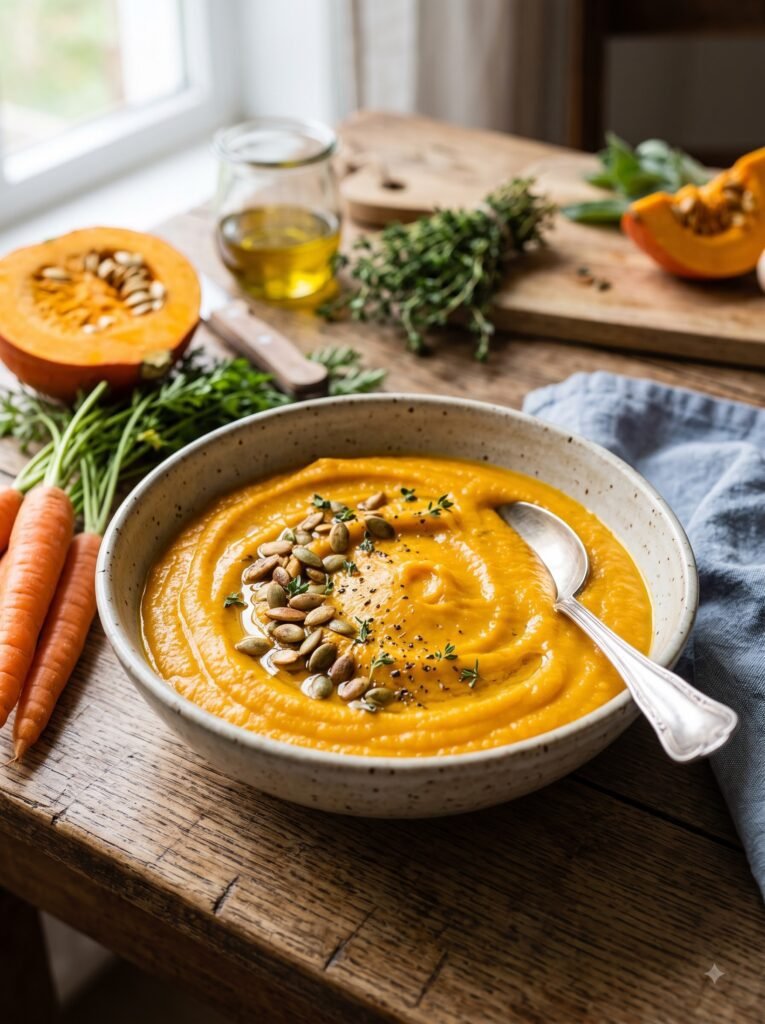
Both are beta-carotene powerhouses. Blend roasted pumpkin with steamed carrot for an extra-sweet, color-rich combo. Absolutely adorable in a jar, too.
Pumpkin + Apple Puree —
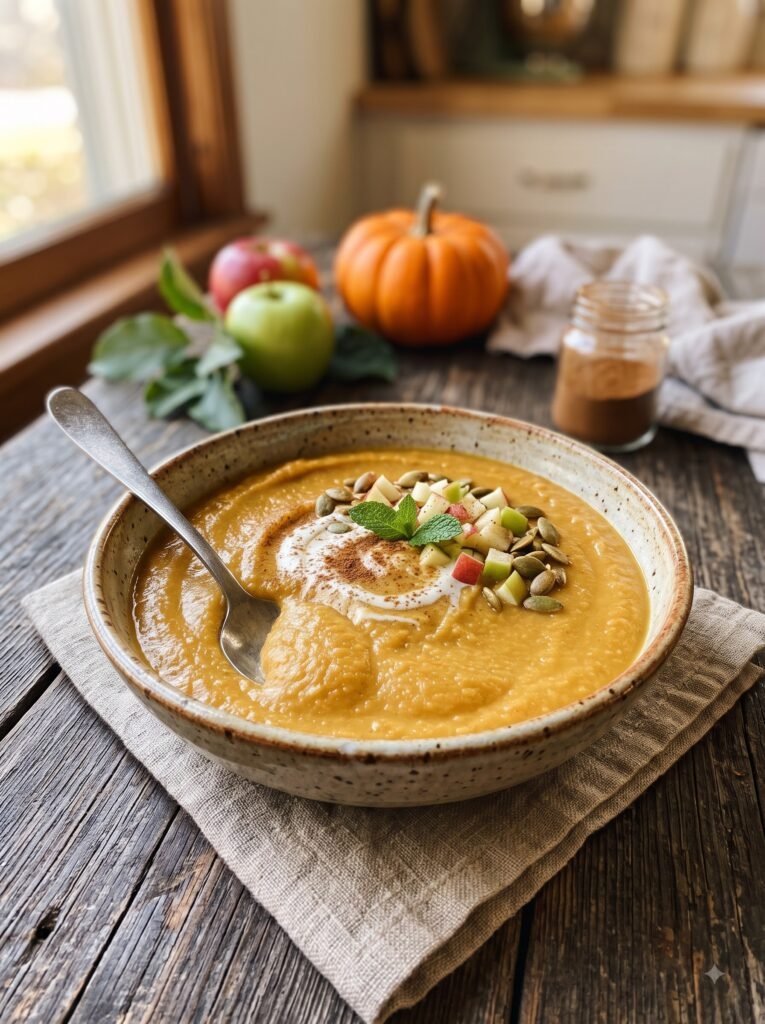
IMO, this is the GOAT combo. The tartness of apple balances pumpkin’s earthiness perfectly. Great for babies 6–8 months.
Pumpkin + Banana —
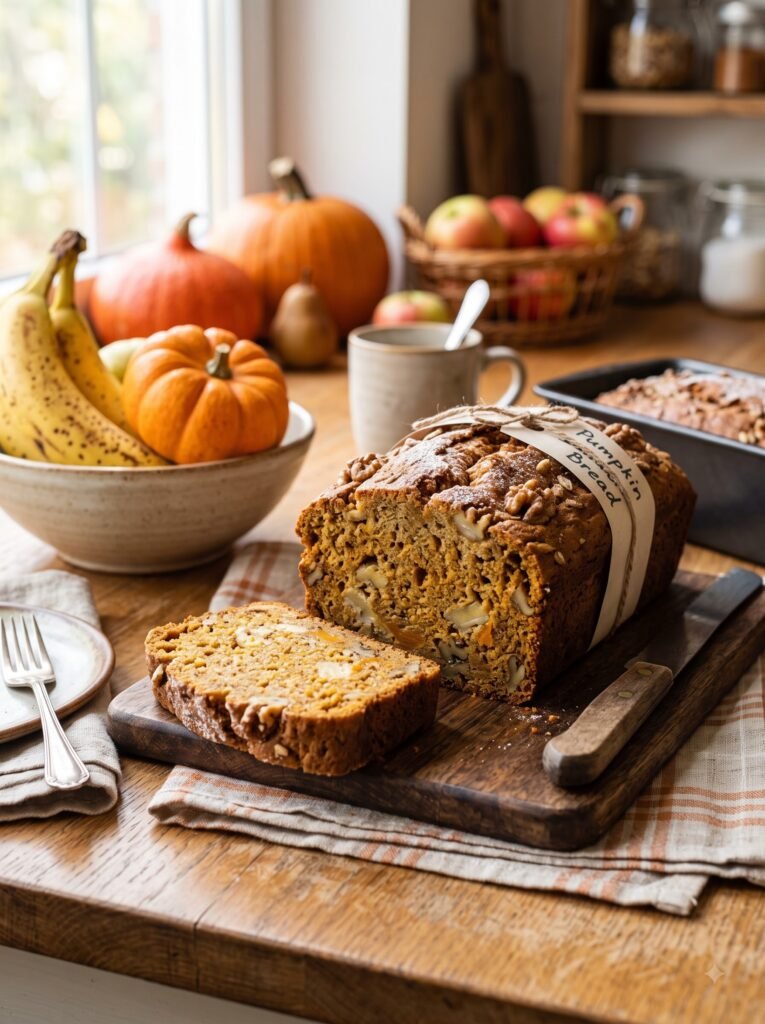
No cooking required for the banana part! Just mash a ripe banana into your pumpkin puree. Creamy, naturally sweet, and totally irresistible.
Pumpkin + Cinnamon (8+ months) —
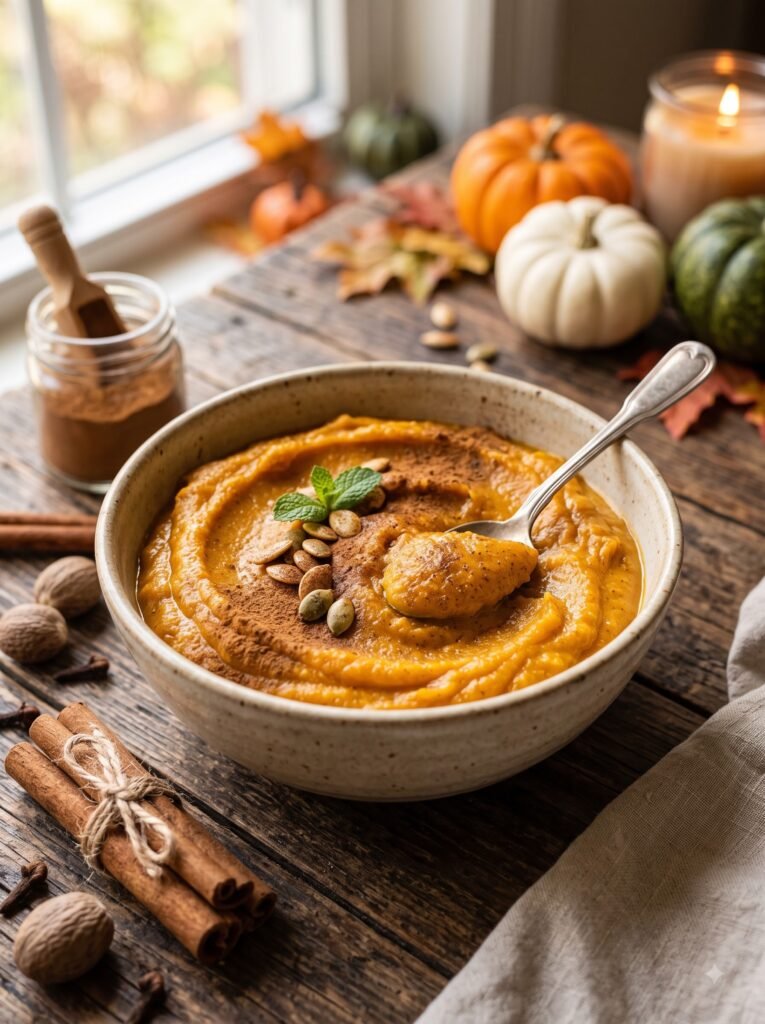
Just a tiny pinch of cinnamon adds warmth and depth. It also makes your kitchen smell like a Thanksgiving dream, which is a personal win.
Pumpkin + Broccoli or Peas —
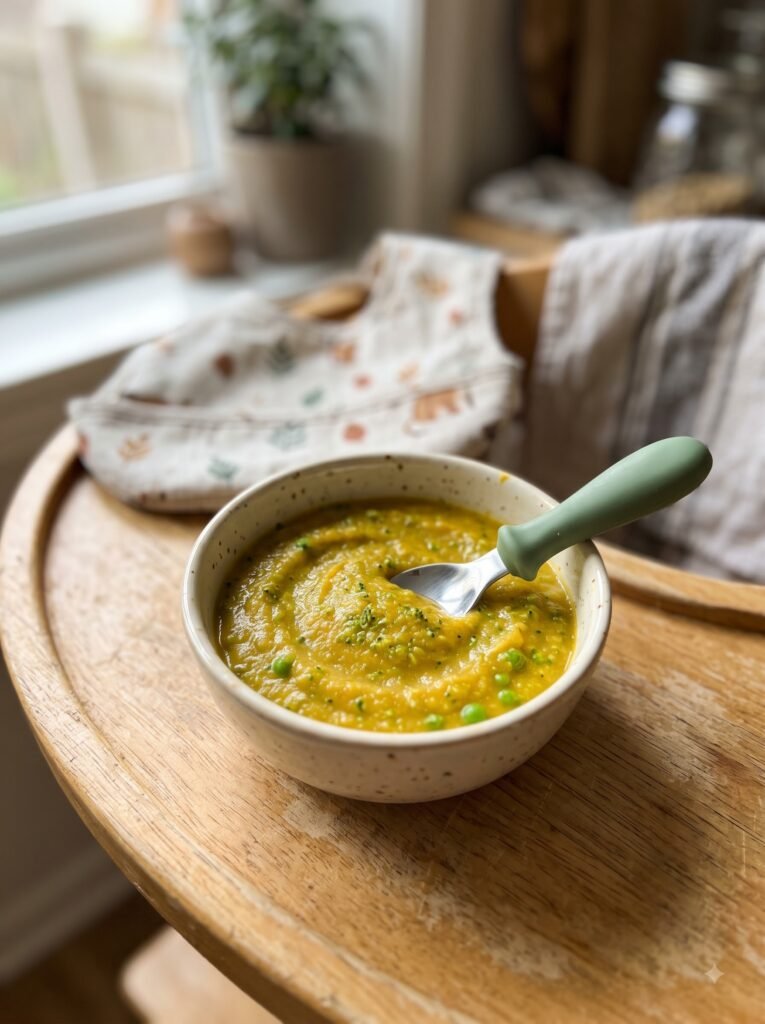
For the adventurous baby (and brave parent), adding a green veggie to the mix early on helps build a palate that doesn’t reject vegetables at age 4. Future you, take notes.
Frequently Asked Questions
Can I use canned pumpkin instead of fresh?
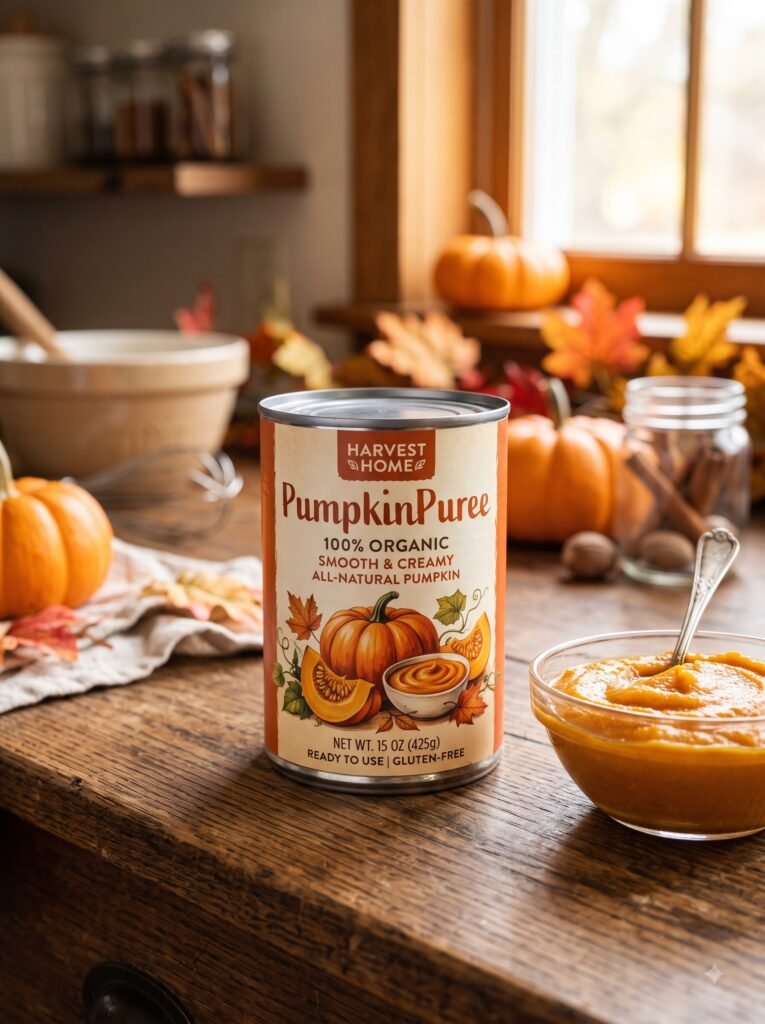
Technically yes — but make sure it’s 100% pure pumpkin, NOT pumpkin pie filling (which has added sugar and spices). Fresh is always best, but in a pinch? Plain canned pumpkin totally works.
How do I know when the pumpkin is fully cooked?
Poke it with a fork. If it slides in with zero resistance, like you’re stabbing warm butter, it’s done. If there’s any pushback, give it another 10 minutes.
Can I steam or microwave the pumpkin instead of baking?
Absolutely! Steaming works great — just cube the pumpkin and steam for 15–20 minutes until soft. Microwaving is also doable in a pinch (pierce the pumpkin, microwave in short bursts). Roasting just gives a slightly richer flavor, but all methods work.
How much pumpkin puree should I feed my 6-month-old?
Start with just 1–2 teaspoons the first time and see how baby responds. Gradually increase to 2–4 tablespoons per serving over a few days. No need to rush. Their tiny stomach is brand new at this whole “food” thing.
Can I mix pumpkin puree with formula or breast milk?
Yes! Mixing in a little familiar milk can make the transition to solids easier and gives the puree a creamier texture. Smart move, especially for picky eaters just starting out.
How long does frozen pumpkin puree last?
Up to 3 months in the freezer in airtight containers or silicone ice cube trays. Label them with the date — sleep-deprived parent brain will forget otherwise. Trust me on this one.
My baby made a face. Did they hate it?
Ha! Probably not. Babies make weird faces at everything new — it’s just sensory overload, not rejection. Keep offering it over multiple days. Research shows it can take 10–15 exposures to a new food before babies truly accept it. Patience, friend.
Final Thoughts
And that’s a wrap on the easiest, most nutritious, most ridiculously simple baby food you’ll ever make! Homemade pumpkin puree checks every box — healthy, freezer-friendly, allergen-safe, and made with exactly one real ingredient.
Whether you’re a first-time parent just dipping your toes into the wild world of solids, or a seasoned baby food pro looking for a new staple to rotate in — this recipe’s got you. And hey, if you made a giant batch and still have pumpkin left over? Throw some into a smoothie for yourself. You need nutrients too, superhero.