
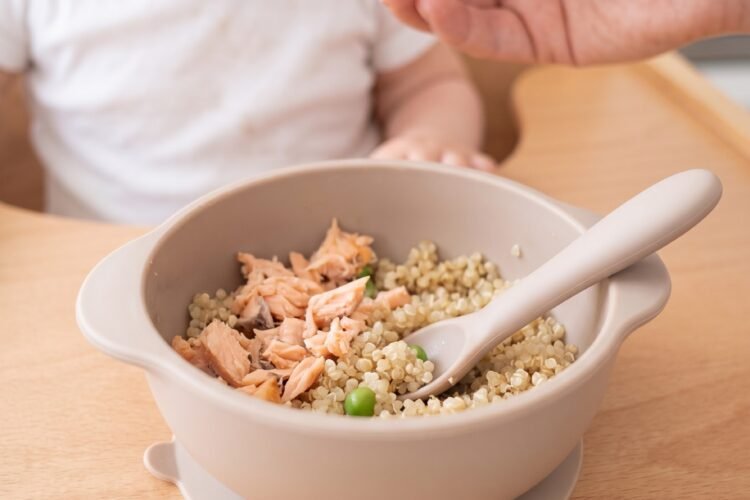
Is Your Baby Ready? The 4 Readiness Signs Pediatricians Look For
Solids usually begin around 6 months. That’s the timing the American Academy of Pediatrics keeps emphasizing, and it’s tied to when most babies can actually swallow safely. A few babies are ready closer to 4–5 months, and waiting until 7–8 months is also fine if your baby isn’t showing cues yet. Earlier than 4 months is generally not recommended.
Instead of watching the calendar, watch your baby. Four signals matter most:
- Strong head control — they hold their head steady when sitting with support
- Sitting with support — a high chair, Boppy, or your lap with a wrap
- Interest in what you eat — they lean forward, open their mouth, or grab at your plate
- Loss of the tongue-thrust reflex — food pushed in doesn’t just come right back out
If three of those four show up, you have a green light. Talk through timing with your pediatrician, especially if baby was premature or has reflux or eczema that you’re watching closely.
Safety Basics: The Only Rules You Need to Know First
A few rules turn finger food from stressful to wonderful. Save this section.
Skip the First Year for These
- No honey in any form, until 12 months. Honey can carry spores that cause infant botulism, a serious condition in babies under one year. Pasteurized or “baked-in” honey still isn’t recommended. American Academy of Pediatrics and CDPH infant botulism guidance both reinforce avoiding honey entirely in the first year.
- No added salt in baby food. Babies’ kidneys can’t process extra sodium.
- No added sugar. Fruit is sweet enough.
- No cow’s milk as a drink before 12 months. Cow’s milk is fine as an ingredient in small amounts (yogurt, pancake batter) but not as the main hydration source.
- No unpasteurized juice, raw milk, or raw sprouts.
Watch for the Highest-Risk Foods
The Centers for Disease Control and Prevention flag certain shapes and textures as top choking risks for babies and toddlers: whole round foods, firm or rubbery foods, and slippery foods cut into coins. The usual suspects to skip or fully reshape:
- Whole grapes — cut lengthwise into quarters (not just halved) until at least age 5 (CDC Infant Nutrition, HSE Ireland)
- Hot dog coins or sticks — skip entirely for finger-food stage or cut into quarters lengthwise
- Whole nuts and chunks of nut butter — peanut butter thinned with water or yogurt is safer; whole nuts are a no until about age 4
- Popcorn — skip until age 4
- Raw carrot rounds — steam-soften or grate instead
- Whole cherry tomatoes, whole olives, whole berries for early eaters
- Hard chunks of apple, raw pear, or raw hard vegetables
Allergens Don’t Wait Anymore
If your pediatrician has cleared the green light, introducing common allergens (peanut, egg, dairy, soy, wheat, sesame, fish, shellfish, tree nuts) early — between roughly 4 and 11 months — actually reduces the risk of developing a food allergy. This is the takeaway from the landmark LEAP study, which showed that peanut introduction in high-risk infants between 4 and 11 months cut peanut allergy prevalence. (FoodAllergy.org LEAP summary, CHOP Clinical Futures, AAP guidance)
For babies with severe eczema or known egg allergy, talk to your pediatrician before introducing peanut — your doctor may recommend the first taste at the office. For other babies, introducing softened peanut butter at home is generally fine.
Read More: Baby Led Weaning for Beginners: Essential Tips and Delicious Recipes for New Moms
Fruits
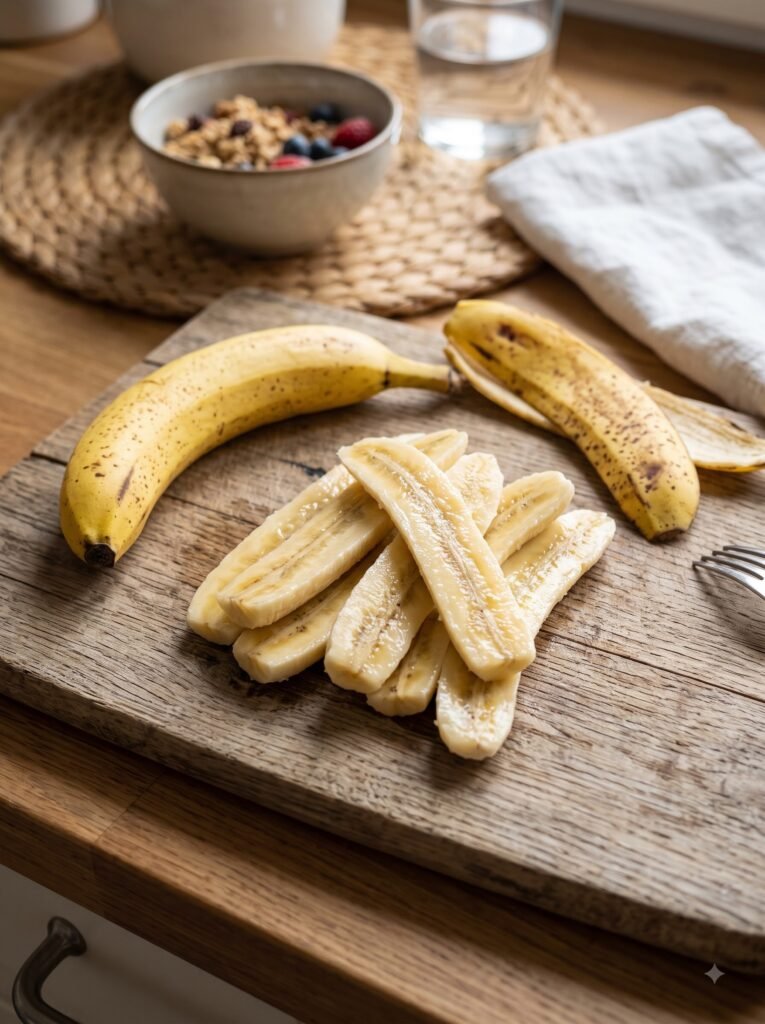
1. Ripe Banana (Strips)
- Why it’s healthy: Easy-to-digest carbs and prebiotic fiber that gently support gut balance.
- Safe prep (6–8 months): Peel and cut into adult finger-length strips so baby can hold and gnaw. Skip coins — those round shapes lodge in throats.
- Safe prep (9+ months): Cut into pea-sized pieces for pincer-grasp practice.
- Texture note: Pick bananas with brown freckles for the softest result.
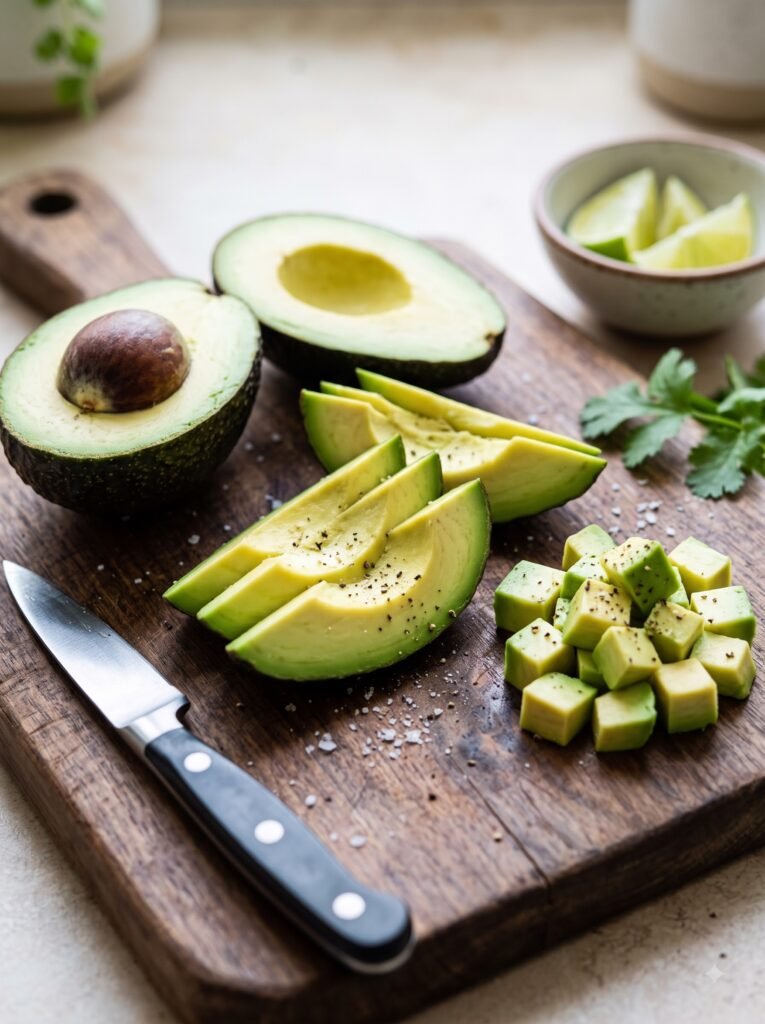
2. Ripe Avocado (Wedge or Cube)
- Why it’s healthy: Naturally rich in monounsaturated fats, which support rapid brain growth.
- Safe prep (6–8 months): Cut a thick wedge, peel the skin off, sprinkle a tiny bit of baby cereal or oat flour on the wedge for grip. The wedge shape beats sprawled-out mush.
- Safe prep (9+ months): Cube into small pieces baby can pinch.
- Texture note: Choose Hass avocados that yield slightly to pressure.
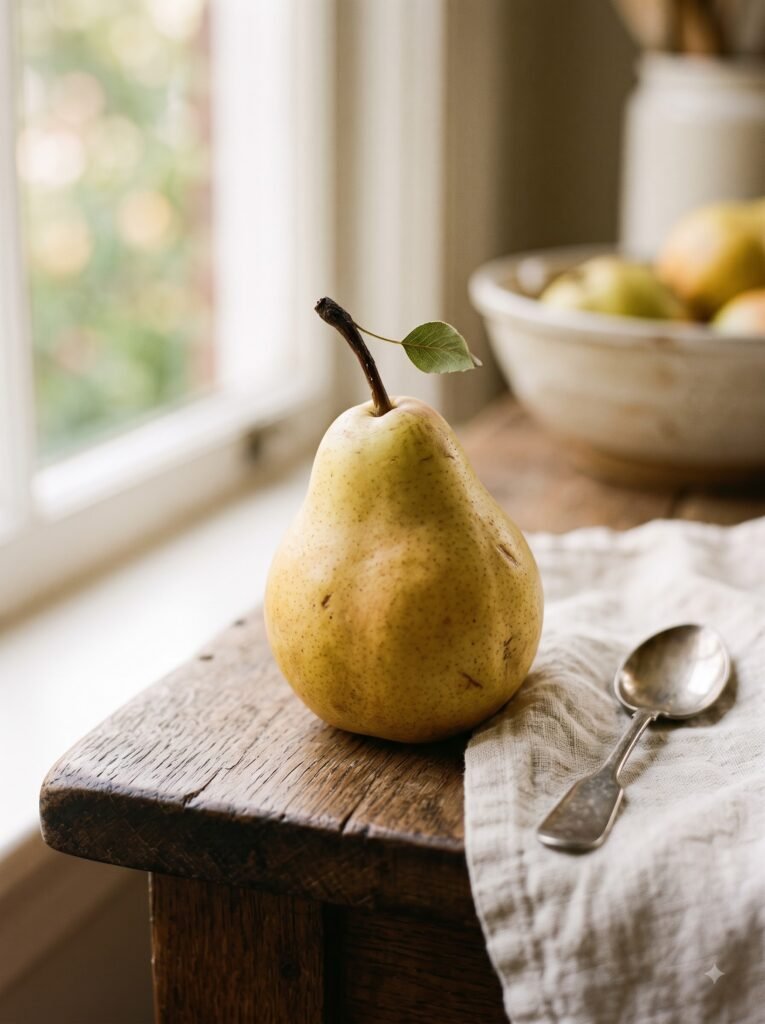
3. Soft Pear (Steamed if Needed)
- Why it’s healthy: Pears are gentle on tiny tummies and rich in soluble fiber.
- Safe prep (6–8 months): Pick a ripe Bartlett. Peel, then cut into finger-length strips. If the pear is still firm, steam 4–5 minutes and cool.
- Safe prep (9+ months): Tiny soft cubes.
- Texture note: Always check ripeness — underripe pear is hard and risky.
4. Soft Apple (Cooked)
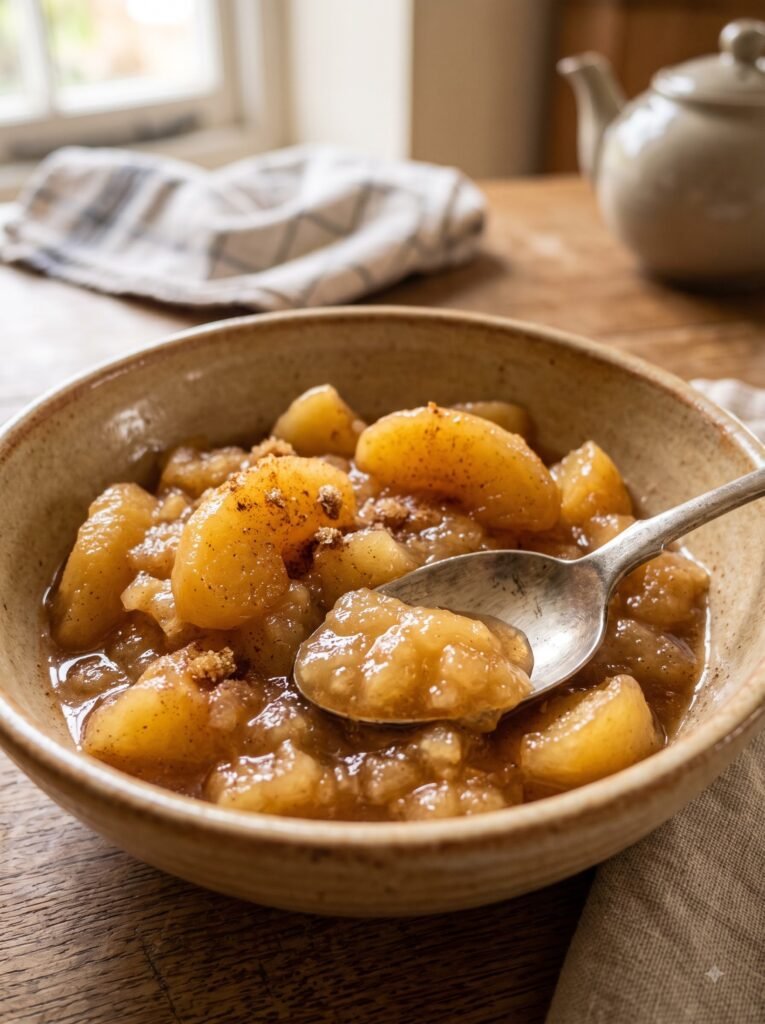
- Why it’s healthy: Pectin and gentle fiber; cooked apples are easier on tummies than raw.
- Safe prep (6–8 months): Peel, core, slice into thick planks, then steam 6–8 minutes until very soft. Cool and serve as soft planks.
- Safe prep (9+ months): Soft cubes, still cooked.
- Texture note: A ripe apple alone isn’t soft enough for early eaters. Steam or bake it first.
5. Ripe Peach (Peeled)
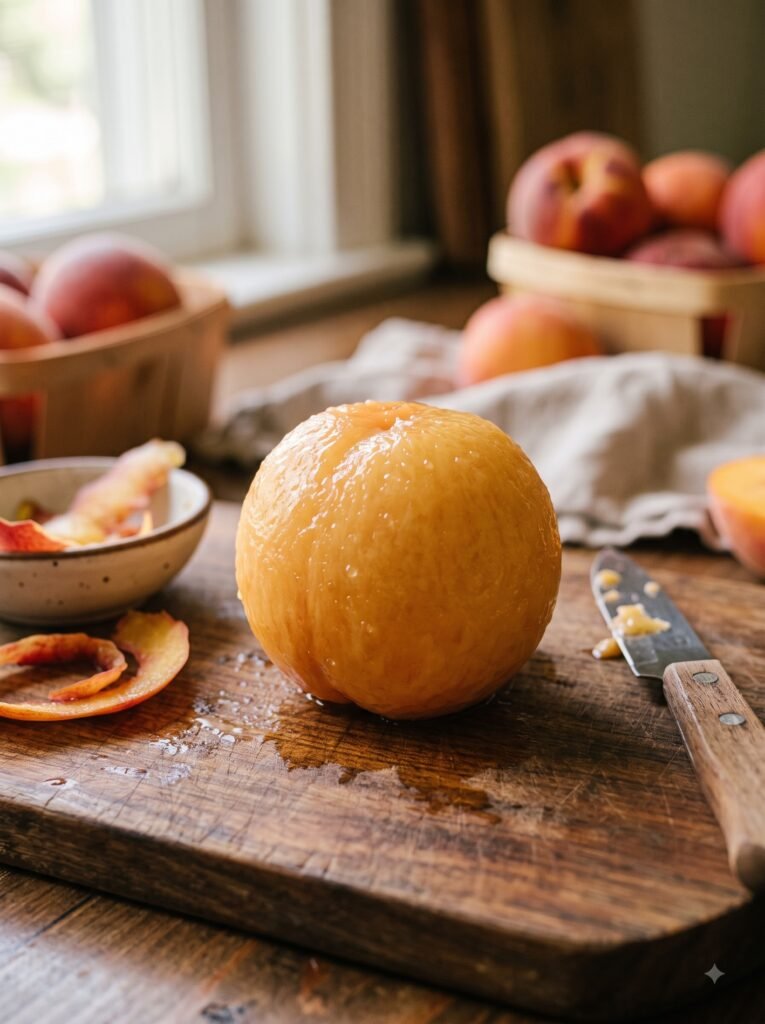
- Why it’s healthy: Vitamin C and beta-carotene in a naturally sweet bite.
- Safe prep (6–8 months): Peel the skin (slippery catch-risk), slice into gum-width strips.
- Safe prep (9+ months): Small cubes.
- Texture note: If you can’t peel easily, drop the whole peach into hot water for 30 seconds, then plunge into cold — skin slips right off.
6. Ripe Mango (Wedge)
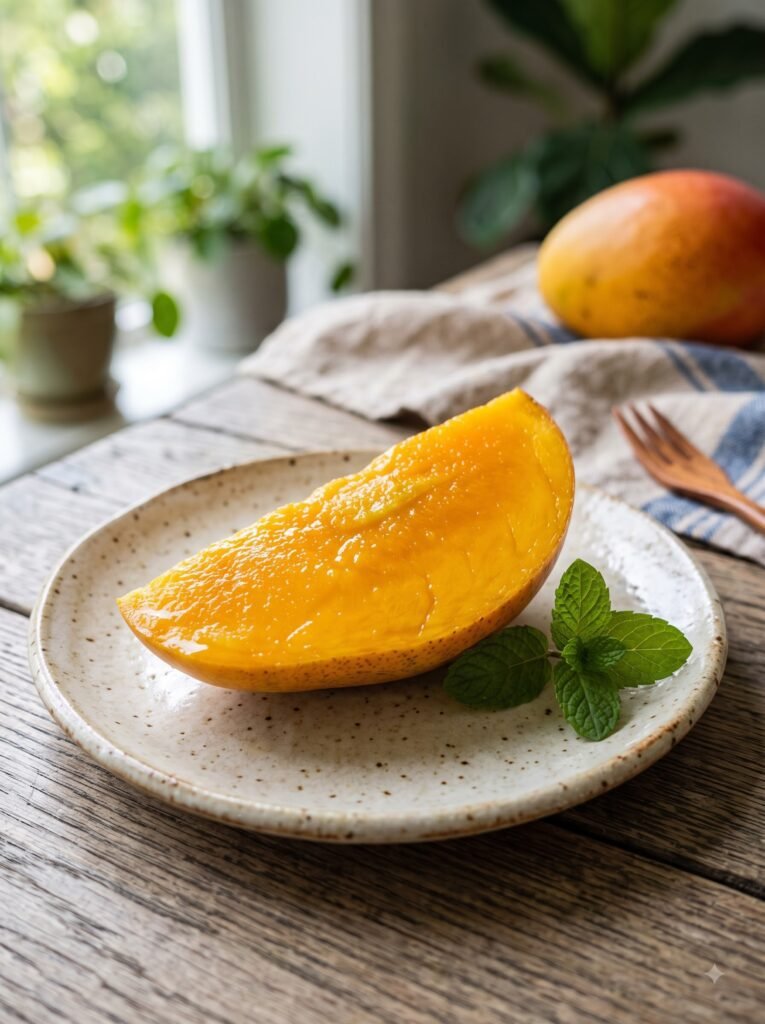
- Why it’s healthy: Vitamins A, C, and E with bright tropical sweetness.
- Safe prep (6–8 months): Cut a thick wedge with one edge still attached. Score the flesh crossways without cutting through skin. Let baby scrape off the soft chunks.
- Safe prep (9+ months): Cube the flesh, ensure the cube sits flat enough not to slip.
- Texture note: Choose mangos whose flesh gives slightly when squeezed.
7. Seedless Watermelon (Batons)
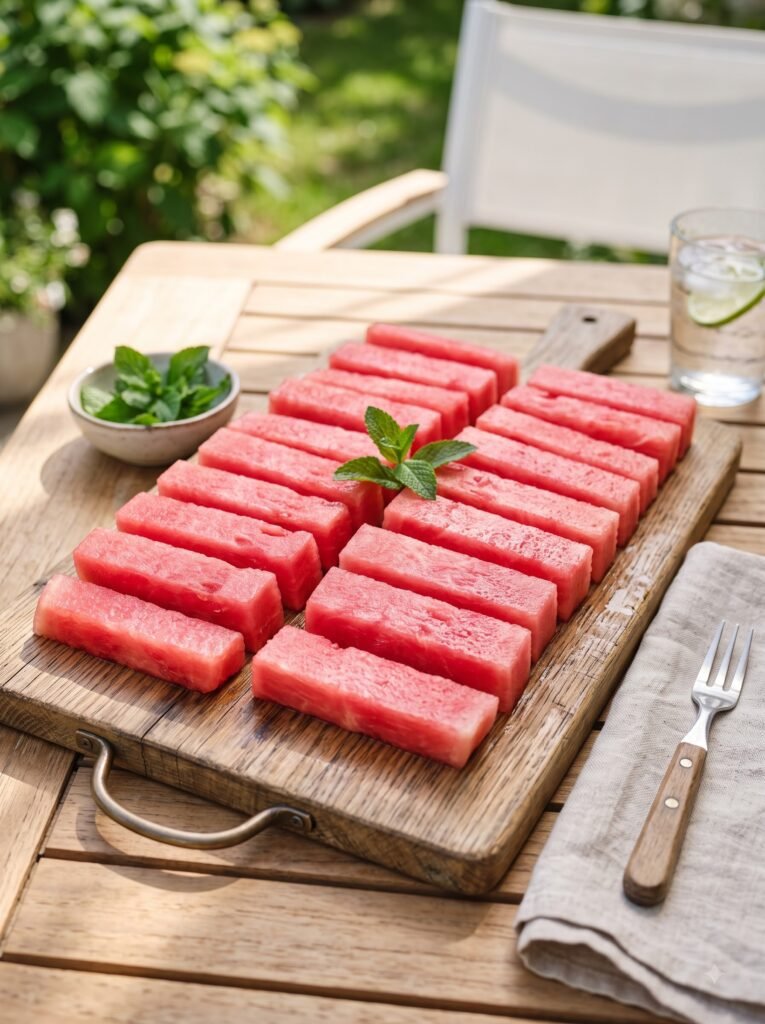
- Why it’s healthy: Hydrating, electrolyte-balancing, easy first food.
- Safe prep (6–8 months): Cut into longer batons about the length and thickness of an adult pinky. Remove every seed before serving.
- Safe prep (9+ months): Small cubes once baby is past gum-grinding stage.
- Texture note: Skip melons packed in syrup; use plain fresh melon only.
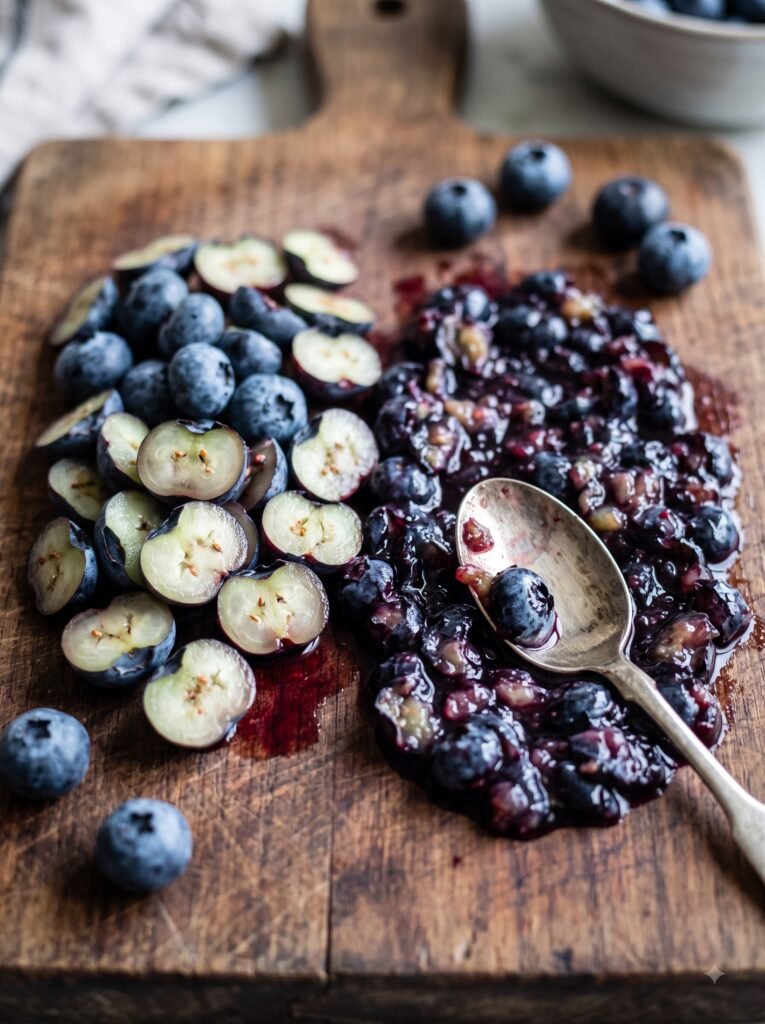
8. Blueberries (Halved or Smashed)
- Why it’s healthy: Anthocyanins and antioxidants in a perfectly pop-sized bite.
- Safe prep (6–8 months): Slice each blueberry in half lengthwise. Optionally smush each half slightly with a fork.
- Safe prep (9+ months): Whole berries for confident chewers, but stay nearby.
- Texture note: Frozen-then-thawed blueberries are softer and easier to handle.
Vegetables
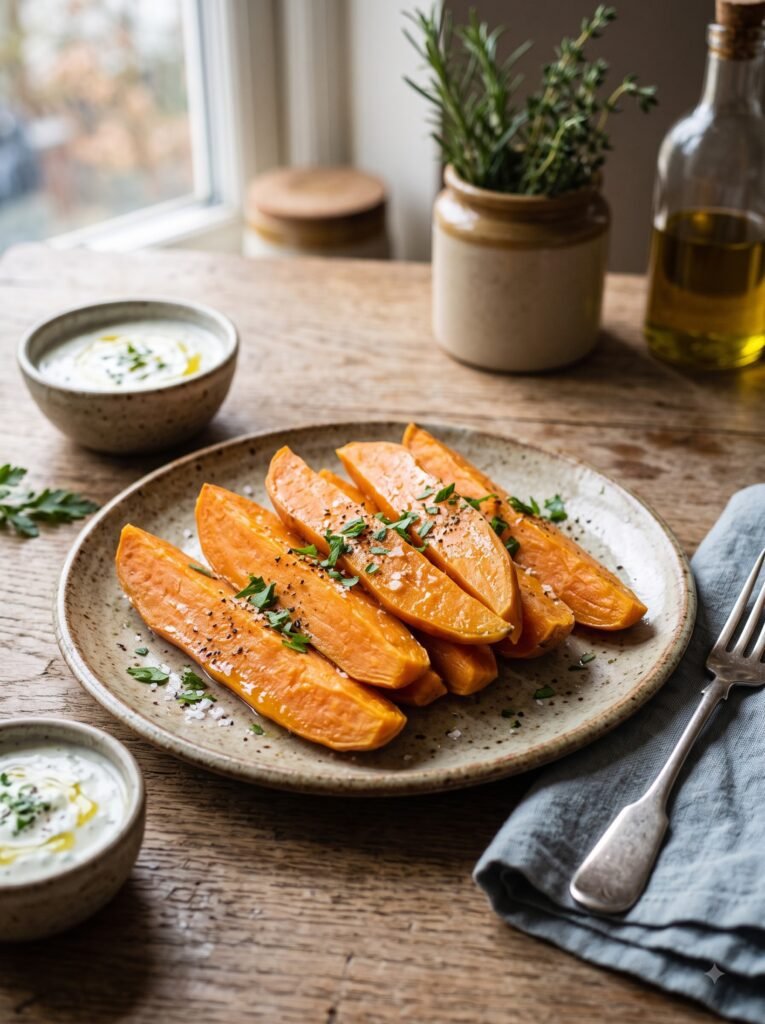
9. Sweet Potato (Steamed Spear)
- Why it’s healthy: Beta-carotene, potassium, and naturally sweet flavor babies love.
- Safe prep (6–8 months): Steam a peeled sweet potato until a fork pierces easily (about 15 minutes). Cut into finger-length spears. Cool fully before serving.
- Safe prep (9+ months): Cubed soft pieces.
- Texture note: Skip frying, butter, or salt. A tiny swirl of olive oil is plenty.
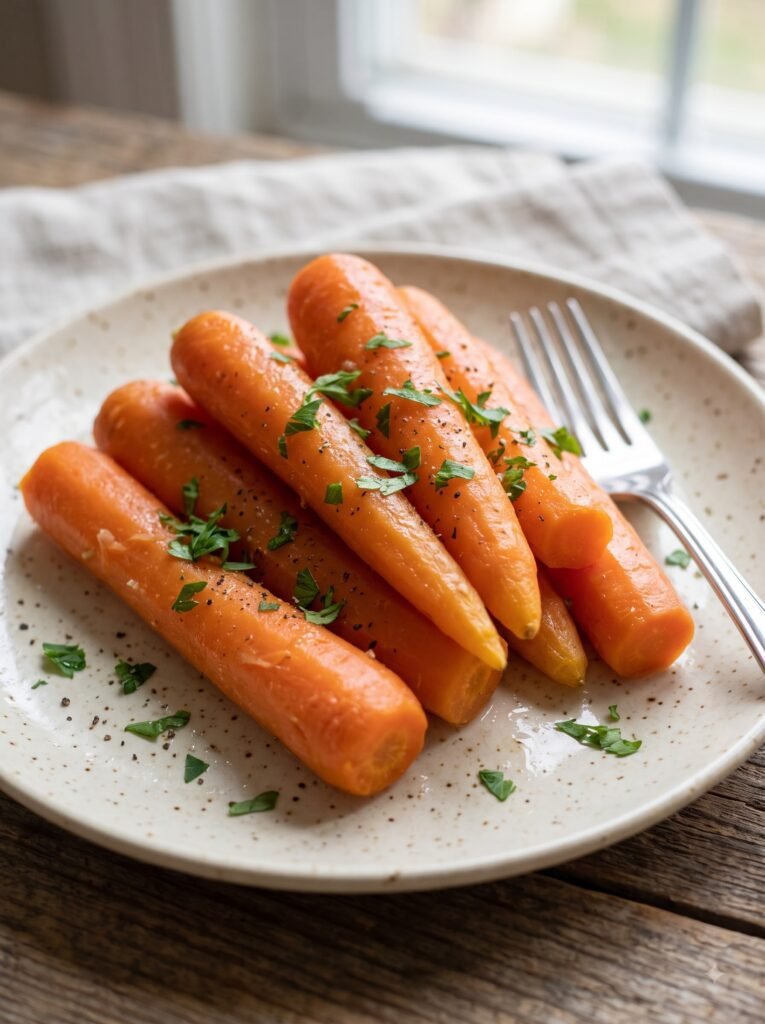
10. Carrot (Steamed Soft, Not Raw)
- Why it’s healthy: Beta-carotene, fiber, and a familiar flavor bridge to family meals.
- Safe prep (6–8 months): Peel, then steam thick carrot batons for 12–15 minutes until very soft and squishable between your fingers. Skip raw rounds — they’re a top choking risk per the CDC.
- Safe prep (9+ months): Soft cubes after steaming.
- Texture note: They should give way completely when pressed — if there’s any crunch, keep steaming.
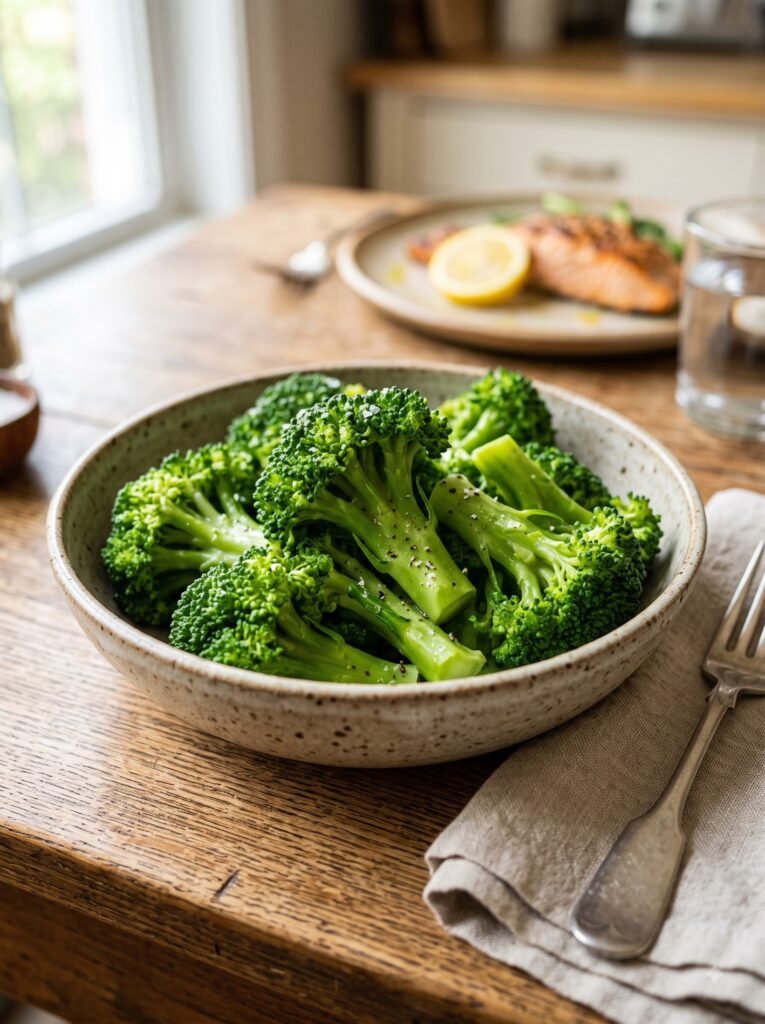
11. Broccoli Florets (Steamed, Stem On)
- Why it’s healthy: Vitamin C, folate, and an early introduction to “tree shapes” baby loves.
- Safe prep (6–8 months): Cut florets with a soft stem handle — the little “tree” acts as a built-in grip. Steam 8–10 minutes until the stem bends easily.
- Safe prep (9+ months): Smaller florets with softer tops.
- Texture note: Cut the trunk shorter than baby’s fist so it can’t be shoved too far into the mouth.
12. Zucchini (Steamed Plank)
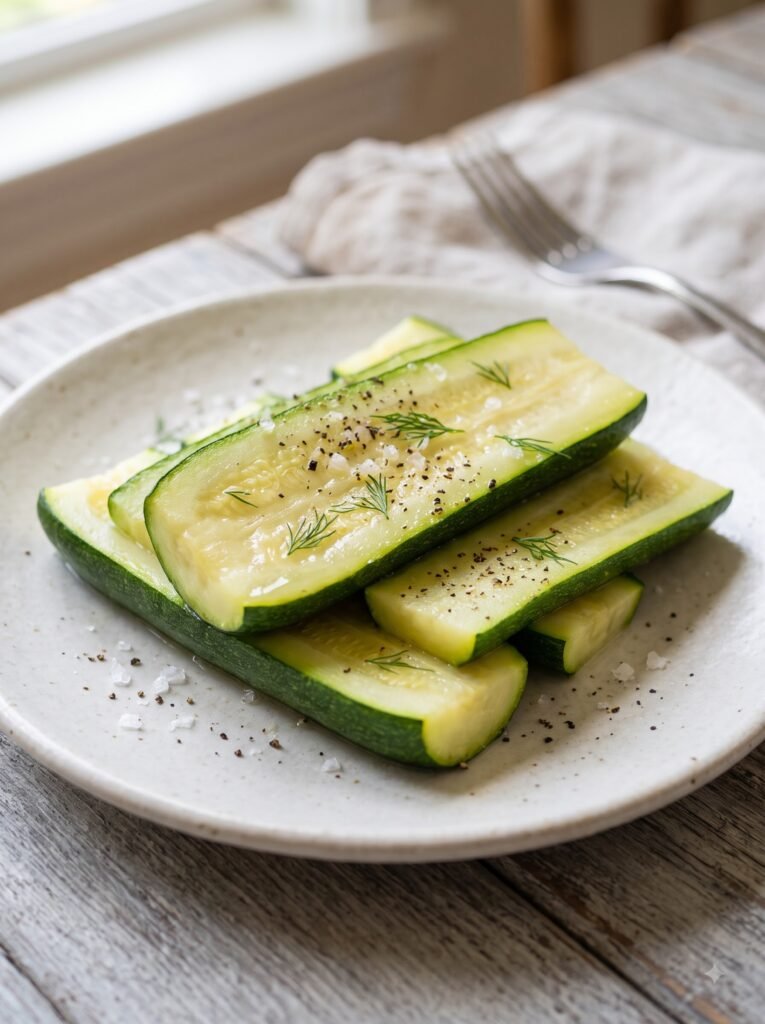
- Why it’s healthy: Mild flavor, gentle fiber, and lots of moisture.
- Safe prep (6–8 months): Cut into finger-length planks (skin-on is fine for organic zucchini). Steam 6–8 minutes until very soft.
- Safe prep (9+ months): Steamed rounds or halves.
- Texture note: Skip raw — it’s slick and hard for new eaters.
13. Butternut Squash (Roasted Wedge)
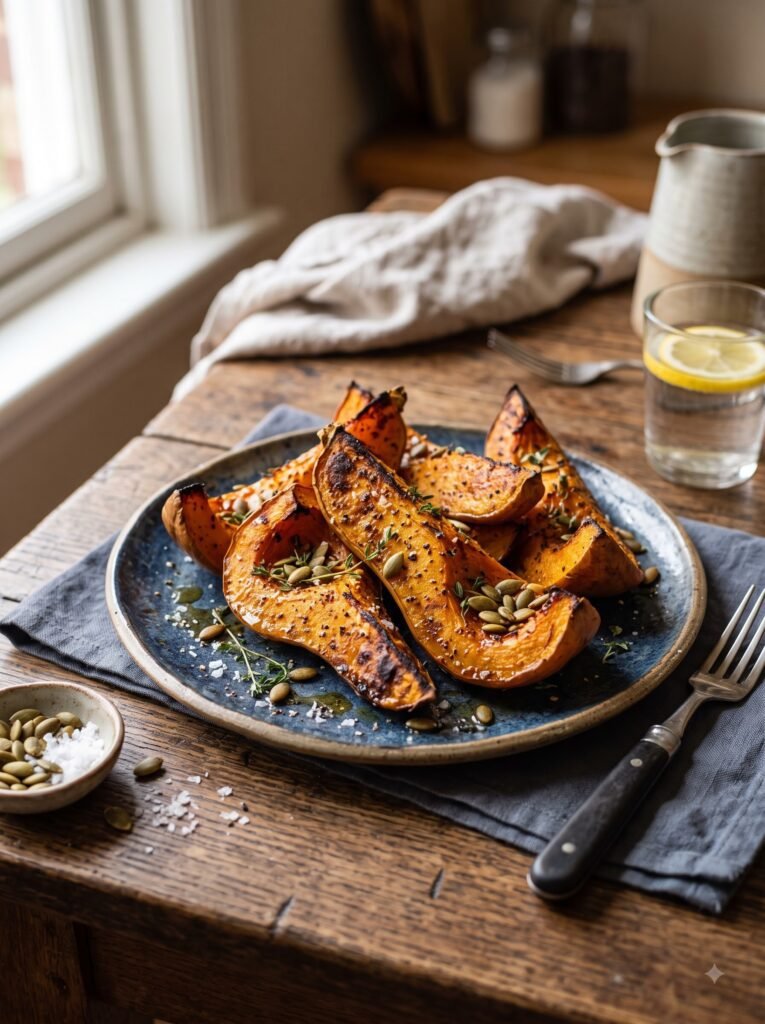
- Why it’s healthy: Beta-carotene, vitamin C, and a creamy natural texture.
- Safe prep (6–8 months): Roast wedges (skin-off) at 400°F for 25–30 minutes until caramelized-soft. Cool, then peel.
- Safe prep (9+ months): Soft cubes.
- Texture note: Skip added butter or syrup. A pinch of cinnamon (after 6 months) is fine.
14. Green Beans (Steamed Soft)
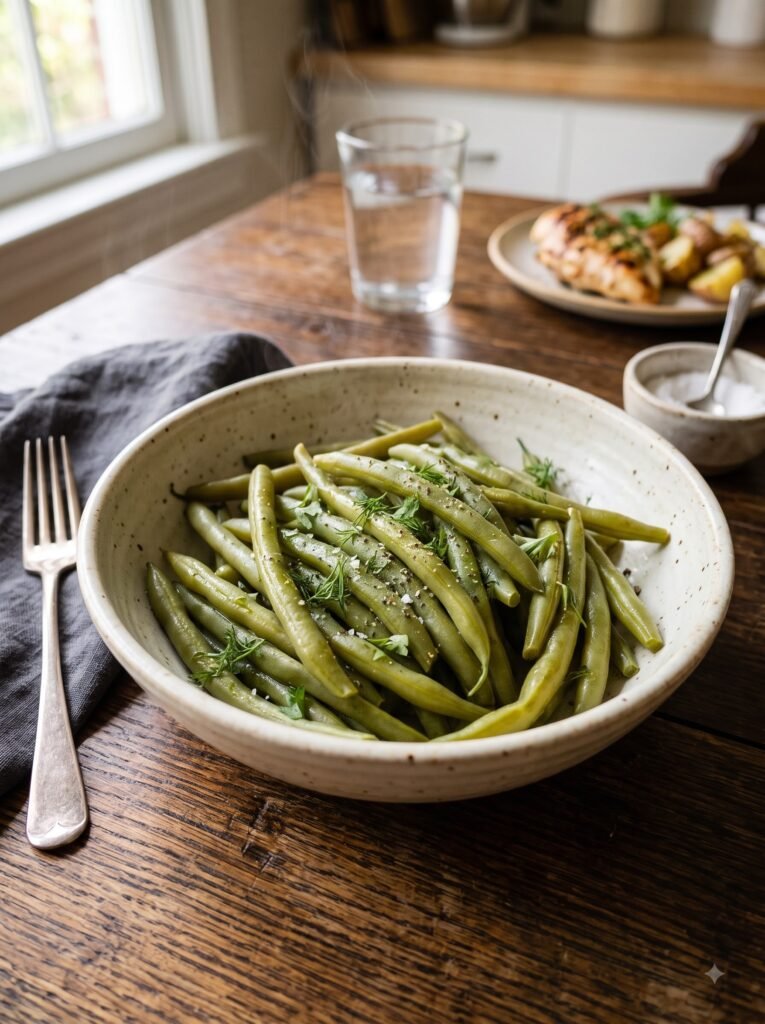
- Why it’s healthy: Fiber, vitamin K, and that “first green” memory many parents love.
- Safe prep (6–8 months): Trim ends, steam 10–12 minutes until totally soft.
- Safe prep (9+ months): Cut into small pieces for pincer grasp.
- Texture note: Cut each bean in half lengthwise if you want extra safety.
15. Bell Pepper (Soft-Cooked Strip)
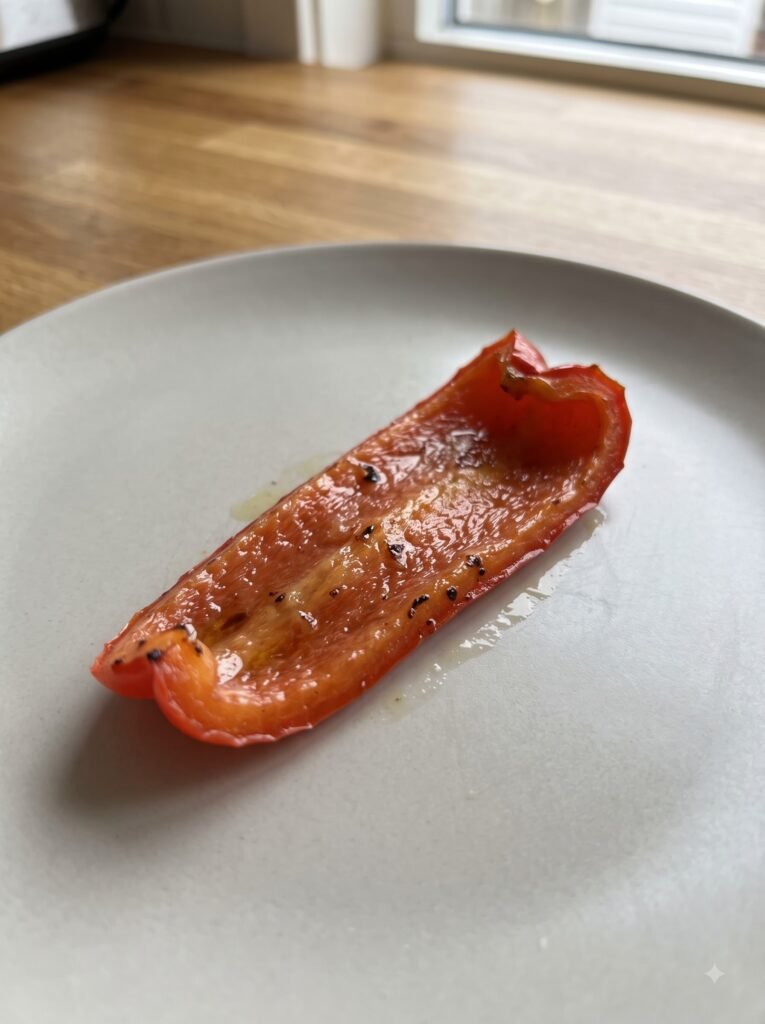
- Why it’s healthy: Vitamin C and an early “color” food gateway.
- Safe prep (6–8 months): Skip raw slices — they’re slippery-ring choking risks. Roast or steam strips of red, yellow, or orange pepper for 8–10 minutes until very soft.
- Safe prep (9+ months): Soft cooked strips cut smaller.
- Texture note: Avoid green bell pepper for first introductions — too bitter.
Proteins (6)
16. Scrambled Egg (Soft Strips)
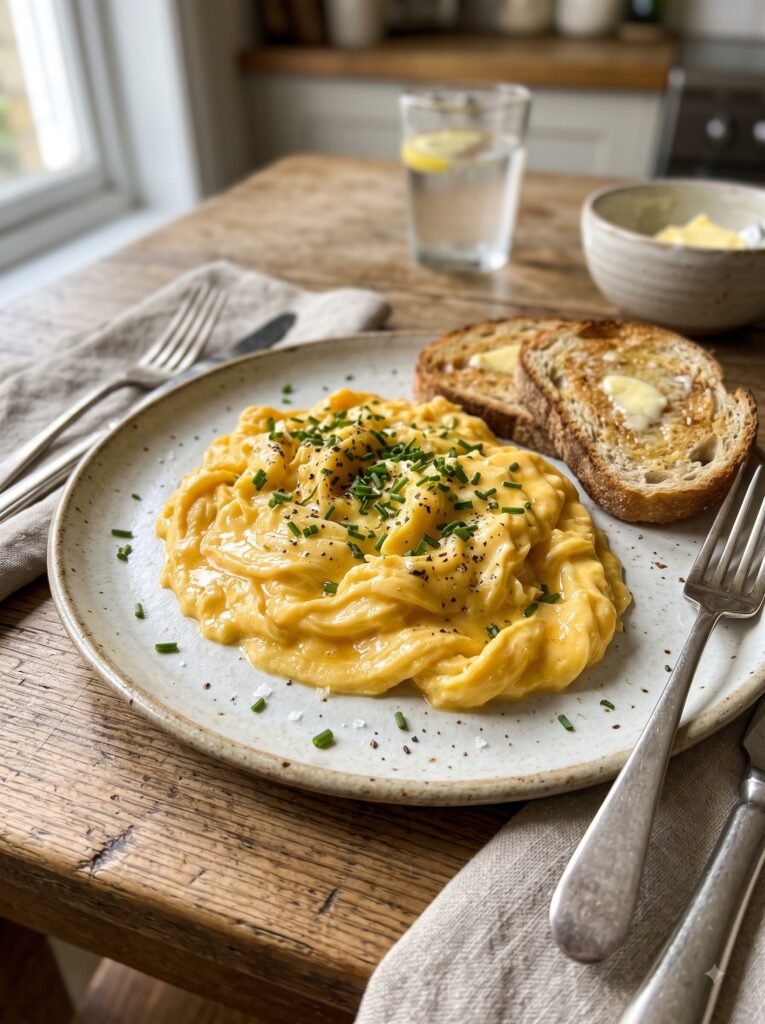
- Why it’s healthy: Choline, protein, and an opportunity to introduce this common allergen early.
- Safe prep (6–8 months): Whisk with a splash of breast milk or formula. Cook in a nonstick pan with a tiny bit of oil. Slice into finger-width strips. Make sure egg is fully cooked — no runny centers.
- Safe prep (9+ months): Smaller curds baby can scoop.
- Allergy note: Egg is one of the nine most common allergens. Introduce early (after pediatrician’s okay) and alone for 3–5 days.
17. Firm Tofu (Cube or Plank)
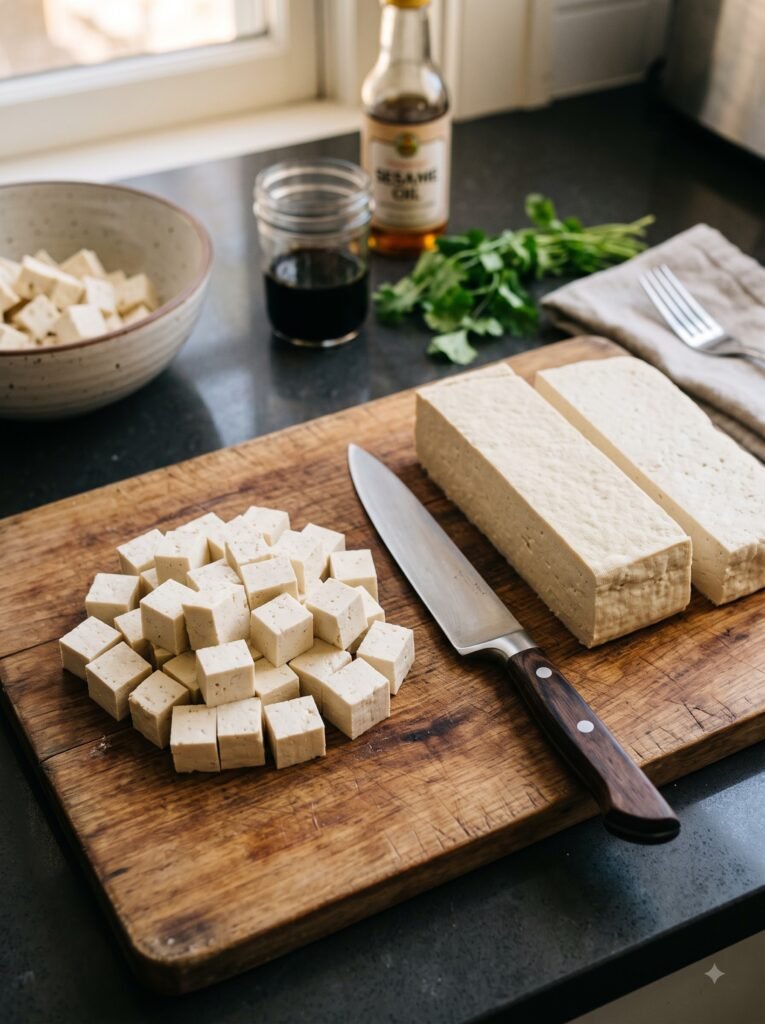
- Why it’s healthy: Plant protein plus iron and calcium.
- Safe prep (6–8 months): Use firm or extra-firm tofu. Pat dry, slice into finger-length planks. Press a little oat flour on the outside for grip.
- Safe prep (9+ months): Small cubes that hold shape.
- Texture note: Skip silken tofu for finger foods — it collapses.
18. Cooked Lentils (Lightly Smashed)
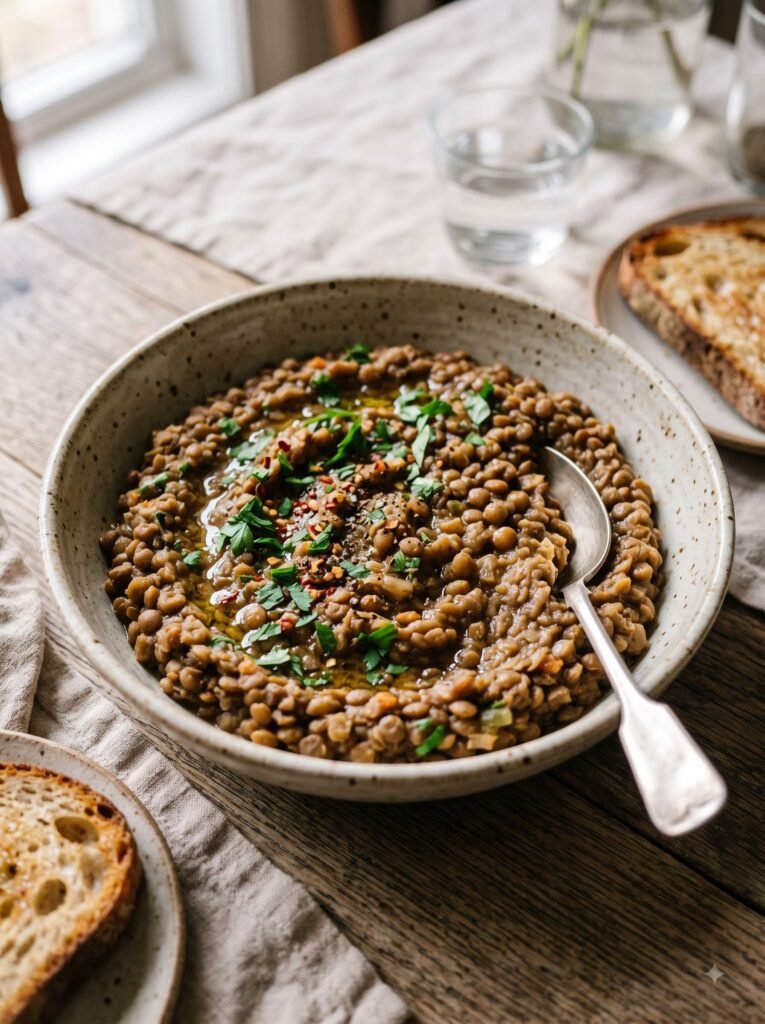
- Why it’s healthy: Plant protein, iron, and fiber in a tiny package.
- Safe prep (6–8 months): Cook red or green lentils until very soft, lightly mash with a fork. Serve as a smear on a soft toast plank or as scoopable mounds.
- Safe prep (9+ months): Whole cooked lentils paired with rice or pasta.
- Texture note: Skip canned lentils with added salt — rinse and use, or cook from dry.
19. Salmon (Flaked, Boneless)
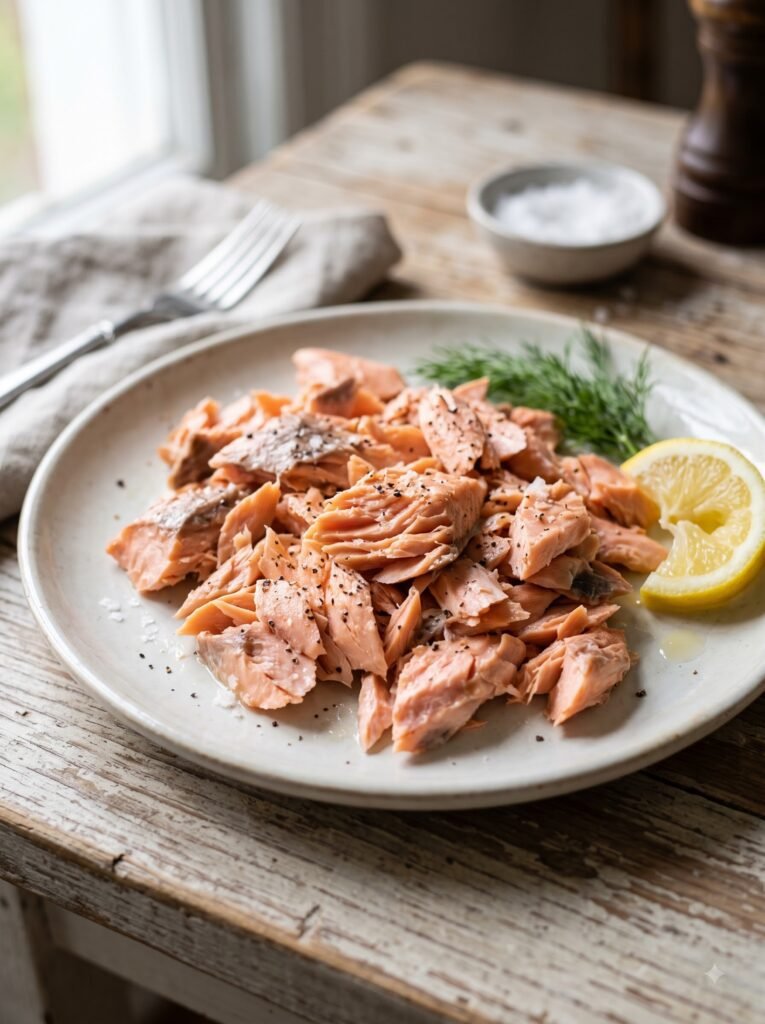
- Why it’s healthy: Omega-3 fatty acids support brain development.
- Safe prep (6–8 months): Bake a boneless salmon fillet (skin-on helps the soft interior). Cool, flake into chunks the size of a pinky nail, and check carefully for any bones.
- Safe prep (9+ months): Slightly larger flaked pieces.
- Allergy note: Fish is a top-9 allergen — introduce alone for several days.
20. Chicken (Shredded or Strips)
- Why it’s healthy: Lean protein for fast-growing muscles.
- Safe prep (6–8 months): Slow-cook a boneless, skinless chicken thigh until shreddable. Cut meat into finger-width strips that hold together. Check carefully for gristle.
- Safe prep (9+ months): Smaller pieces that pincer-grasp confidently.
- Texture note: Thigh shreds more easily than breast for early eaters.
21. Thinned Peanut Butter (Smear)
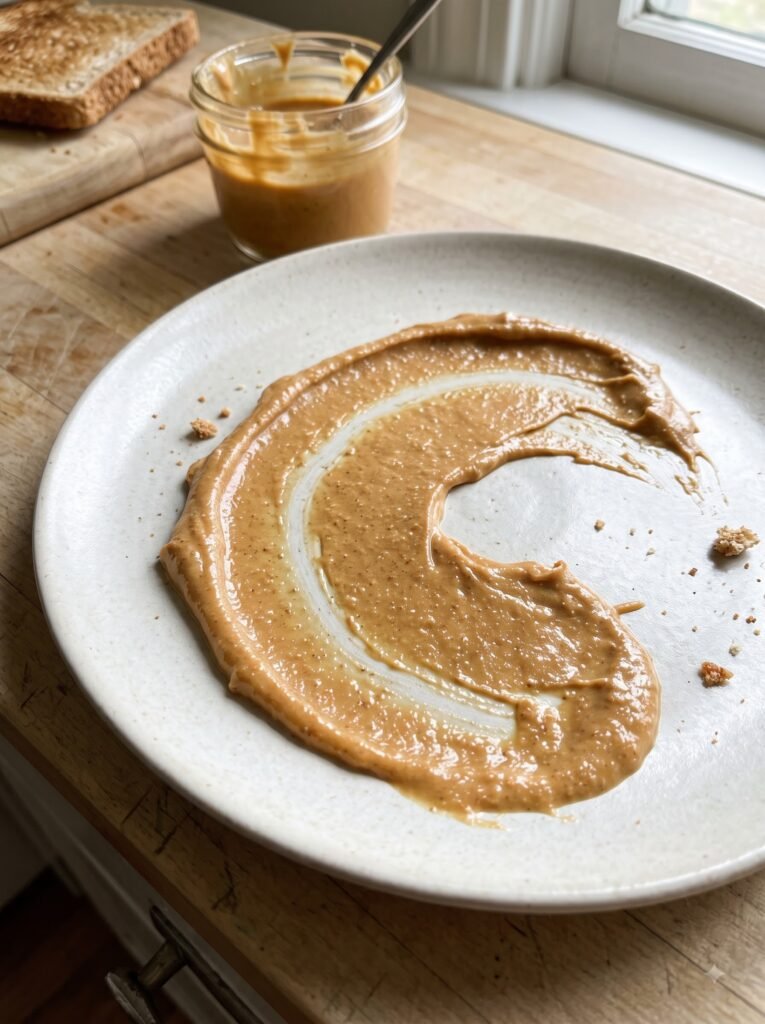
- Why it’s healthy: Plant protein and an early allergen introduction aligned with the LEAP study findings.
- Safe prep (6–8 months): Stir a small amount of smooth peanut butter into a bowl of warm water, breast milk, or plain yogurt until it’s a thin drizzle. Spread thinly on a toast strip or stir into oatmeal.
- Safe prep (9+ months): Slightly thicker smear on toast fingers.
- Safety note: Never serve a glob of peanut butter — its stickiness is a choking risk. If your baby has severe eczema or known egg allergy, ask your pediatrician before introducing peanut.
Grains
22. Soft Oatmeal (Thick Spoon-Friendly)
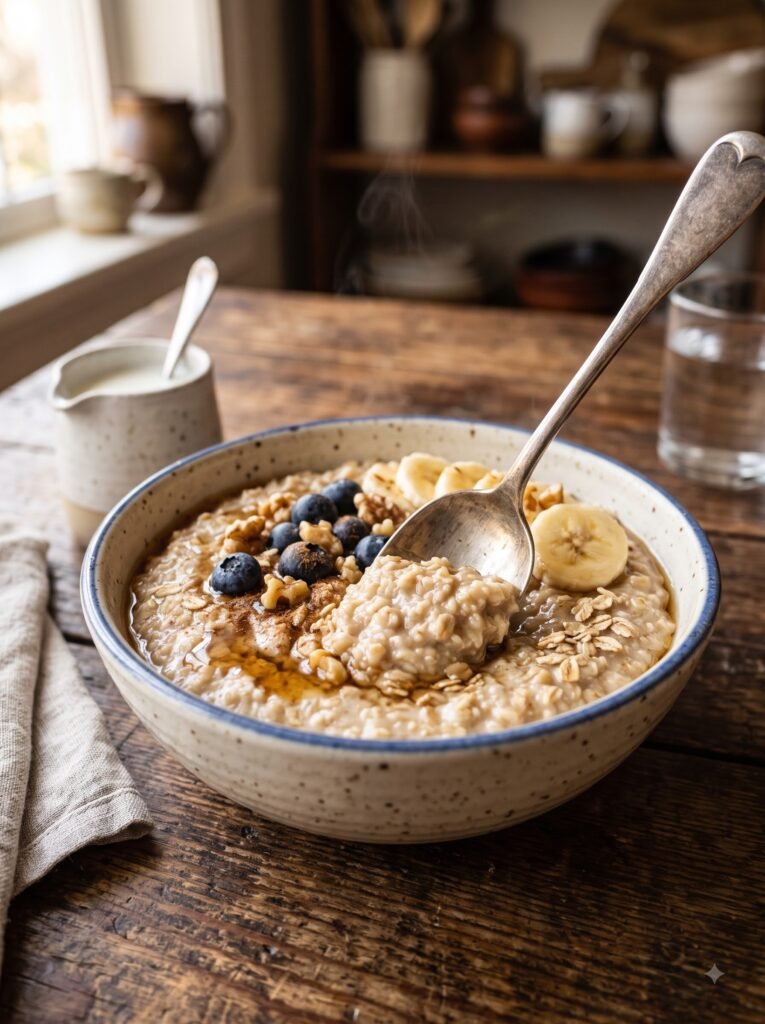
- Why it’s healthy: Iron-fortified oats provide plant-based iron for a stage when breast milk stores are tapering.
- Safe prep (6–8 months): Cook old-fashioned oats with water or breast milk until thick. Cool, and offer as a glop baby can scoop with their palm. Combine with mashed banana or cooked pear for grip.
- Safe prep (9+ months): Slightly thicker mix with added soft fruit.
- Texture note: Avoid instant flavored varieties with added sugar.
23. Lightly Toasted Bread (Finger Strips)
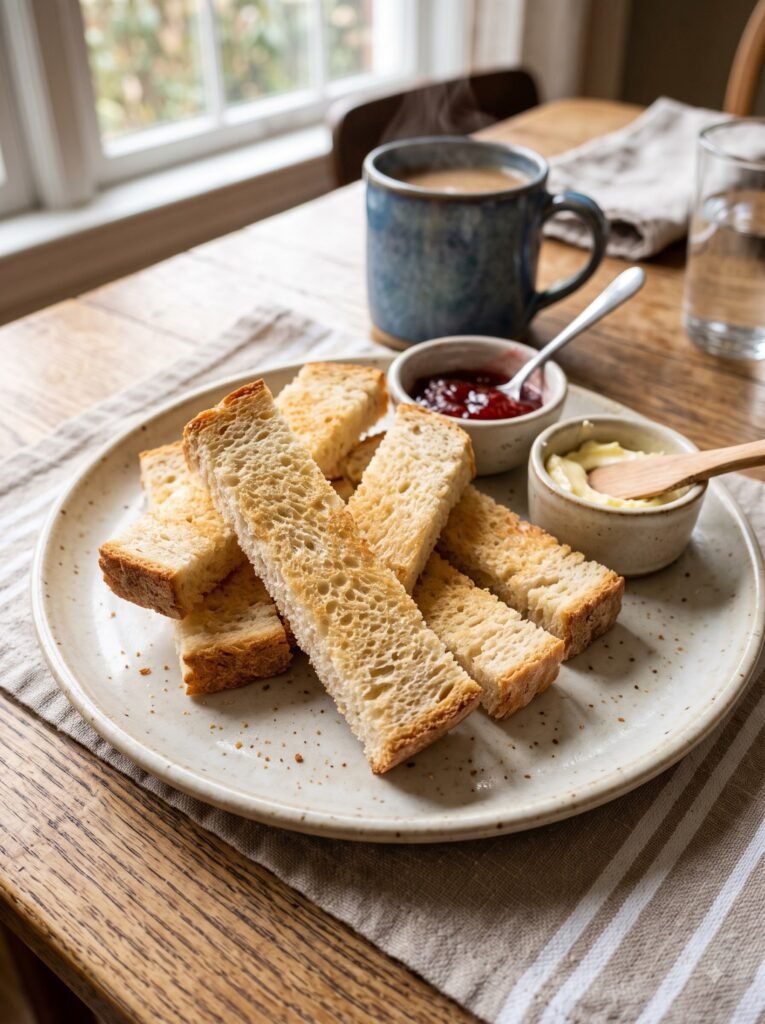
- Why it’s healthy: Easy iron-fortified grain; familiar bridge to family meals.
- Safe prep (6–8 months): Lightly toast a slice so it’s firm enough to grip but not crunchy. Trim crusts and cut into adult-finger-width strips.
- Safe prep (9+ months): Smaller bread pieces with simple toppings.
- Texture note: Skip chewy bagels or tough crusts — those are hard to gum safely.
24. Tiny Pasta (Well-Cooked)
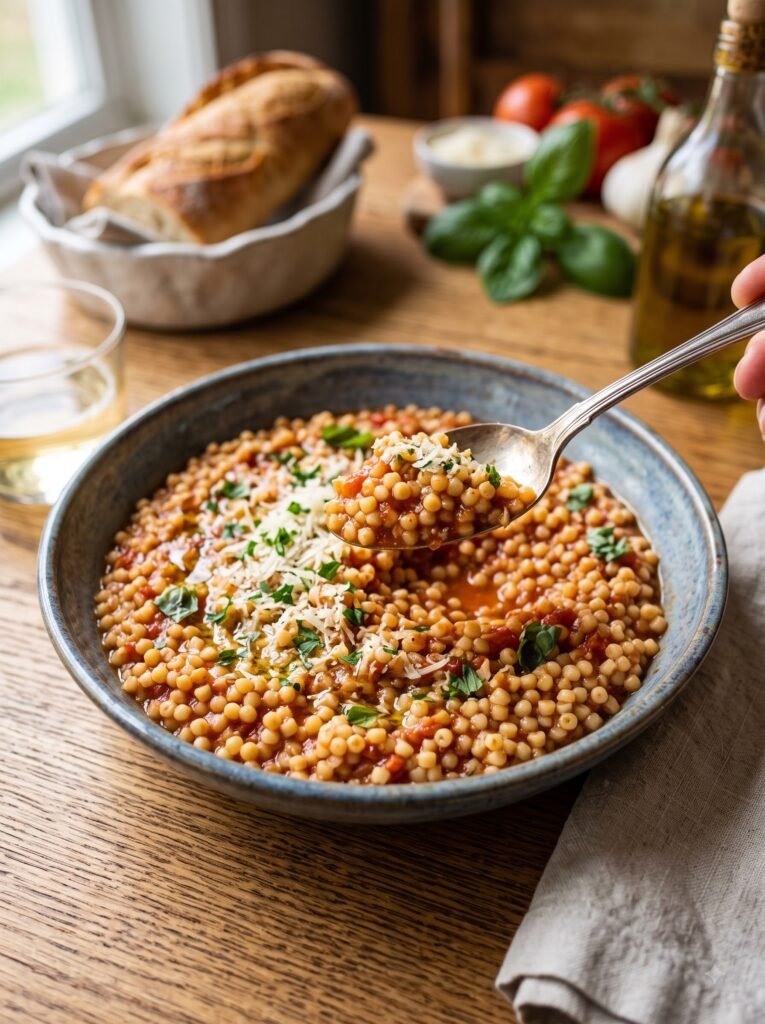
- Why it’s healthy: Easy-carbohydrate energy and a bridge to family dinners.
- Safe prep (6–8 months): Cook pastina, orzo, or other tiny shapes until very soft (often 1–2 minutes longer than the package says). Toss with a tiny drizzle of olive oil.
- Safe prep (9+ months): Small elbow macaroni or rotini, well-cooked.
- Texture note: Skip al-dente — pasta must be soft enough to smush between your fingers.
25. Pancake Strips (Plain)
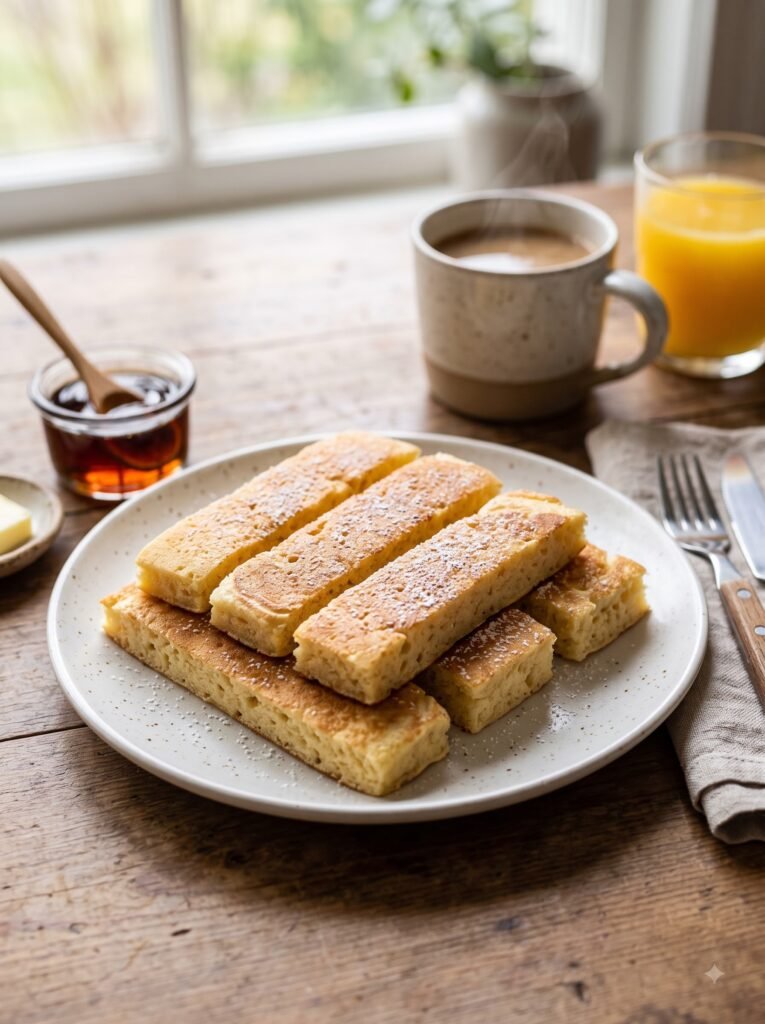
- Why it’s healthy: Easy base for a “breakfast for dinner” baby-friendly meal.
- Safe prep (6–8 months): Make a thin plain pancake (just egg, oat flour, and mashed banana or a splash of milk). Cut into strips. Skip the syrup entirely.
- Safe prep (9+ months): Smaller wedges for pincer practice.
- Texture note: Skip crispy edges — keep pancakes fluffier softer.
26. Sticky Rice Balls (Tiny)
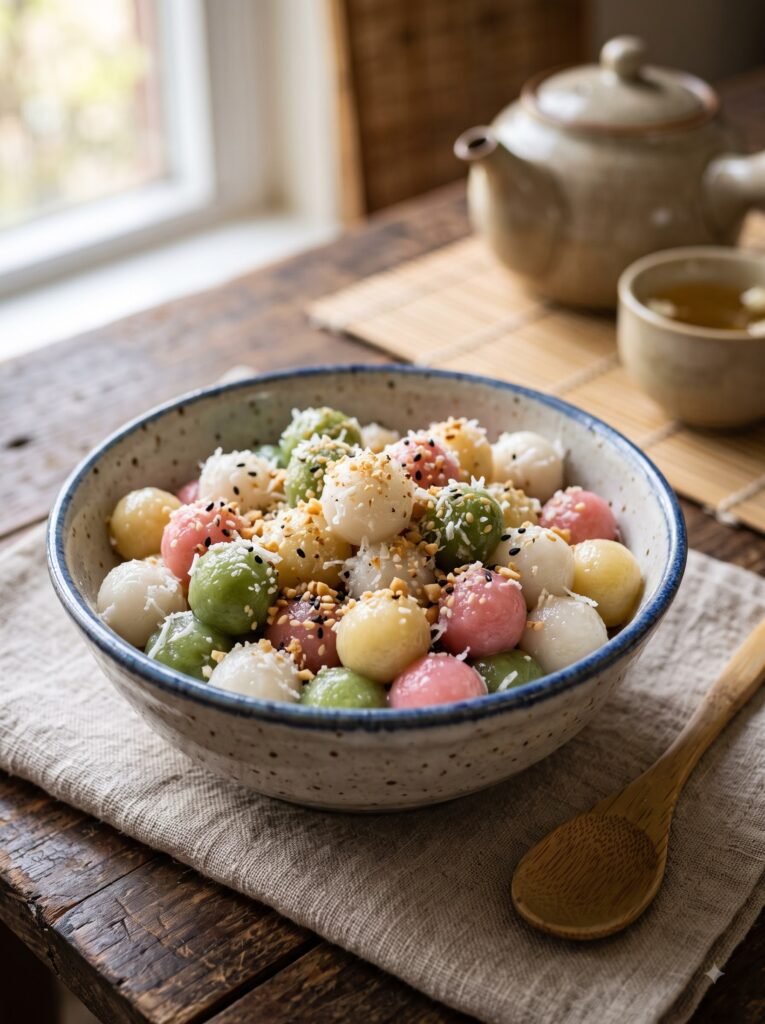
- Why it’s healthy: Easy-to-handle grain that’s gentle on tummies.
- Safe prep (6–8 months): Cook short-grain white rice until very sticky. Roll into pea-sized balls so baby can scoop with their palm.
- Safe prep (9+ months): Small individual grains with side dishes like flaked fish or tofu.
- Texture note: Brown rice is fine for older babies, but the chewier texture can be tougher for new eaters.
Dairy & Combo Foods
27. Plain Whole-Milk Yogurt (Scoopable)
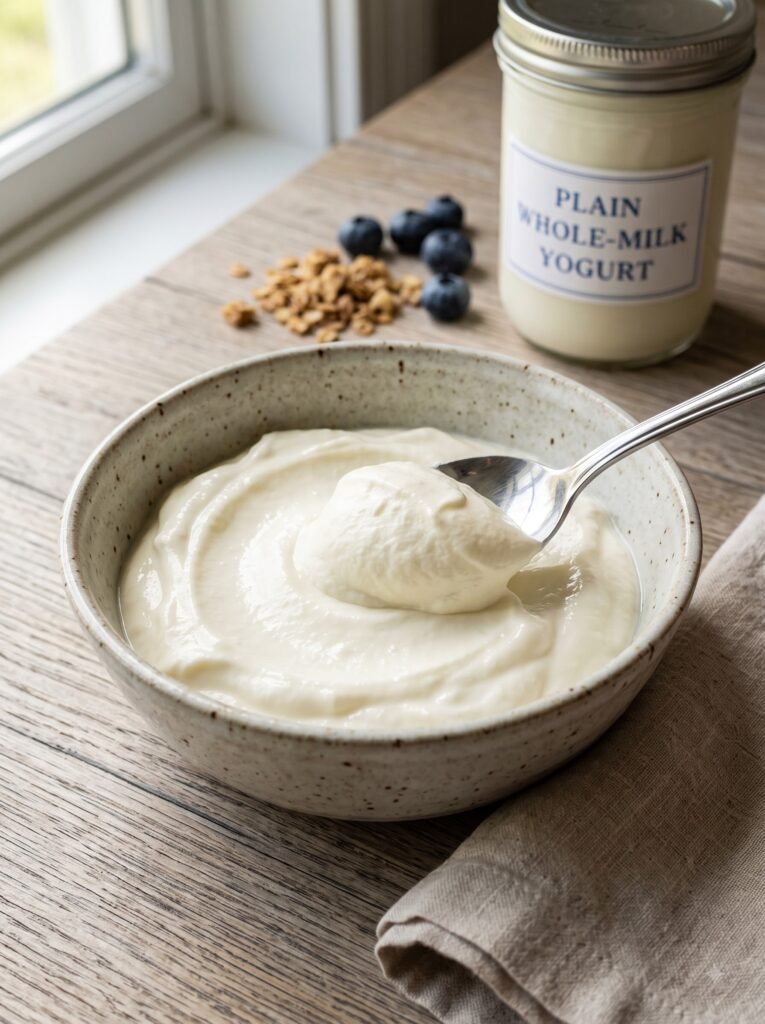
- Why it’s healthy: Probiotics, calcium, and fat for brain growth.
- Safe prep (6–8 months): Choose plain, full-fat yogurt with no added sugar. Offer on a pre-chilled spoon or in a small bowl.
- Safe prep (9+ months): Thicker scoops with mashed berries mixed in.
- Texture note: Skip drinkable yogurt and Greek-style ultra-thick — full-fat regular is baby-friendlier.
28. Cottage Cheese (Soft Curds)
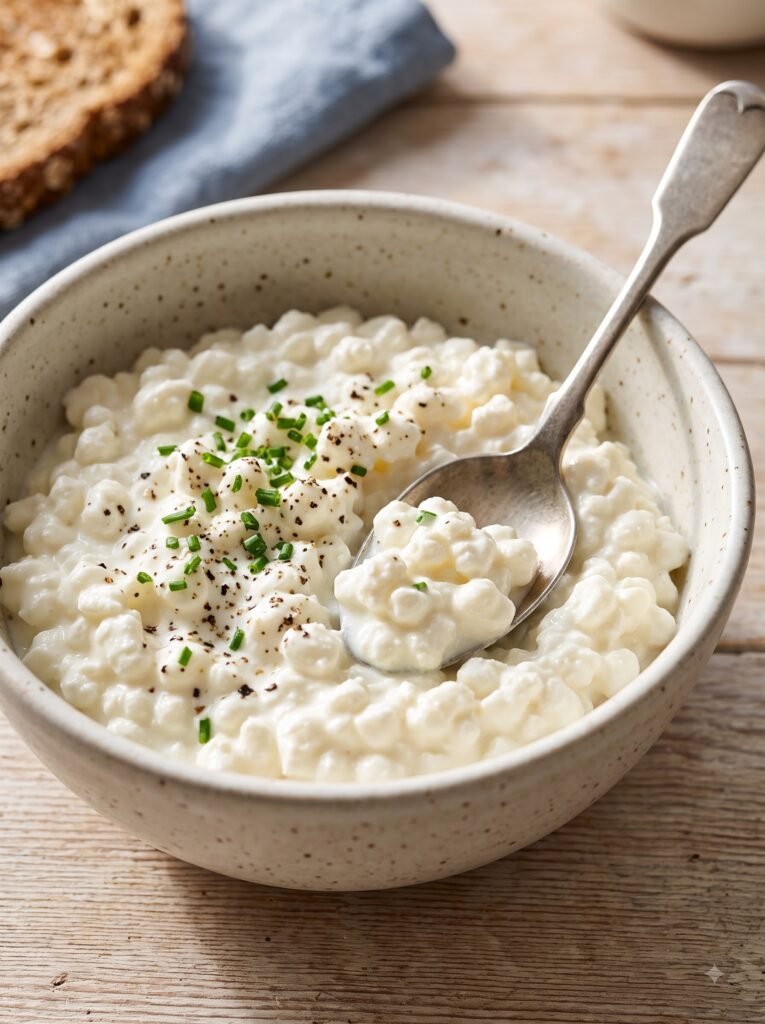
- Why it’s healthy: Easy protein and calcium with a texture baby can squish.
- Safe prep (6–8 months): Choose full-fat, small-curd cottage cheese with no added salt. Smear thinly on a toast finger.
- Safe prep (9+ months): Offer small spoonfuls with mashed soft fruit.
- Texture note: Check the label — low-fat versions often add sugar or salt.
29. Cheese (Thin Strips or Shredded)
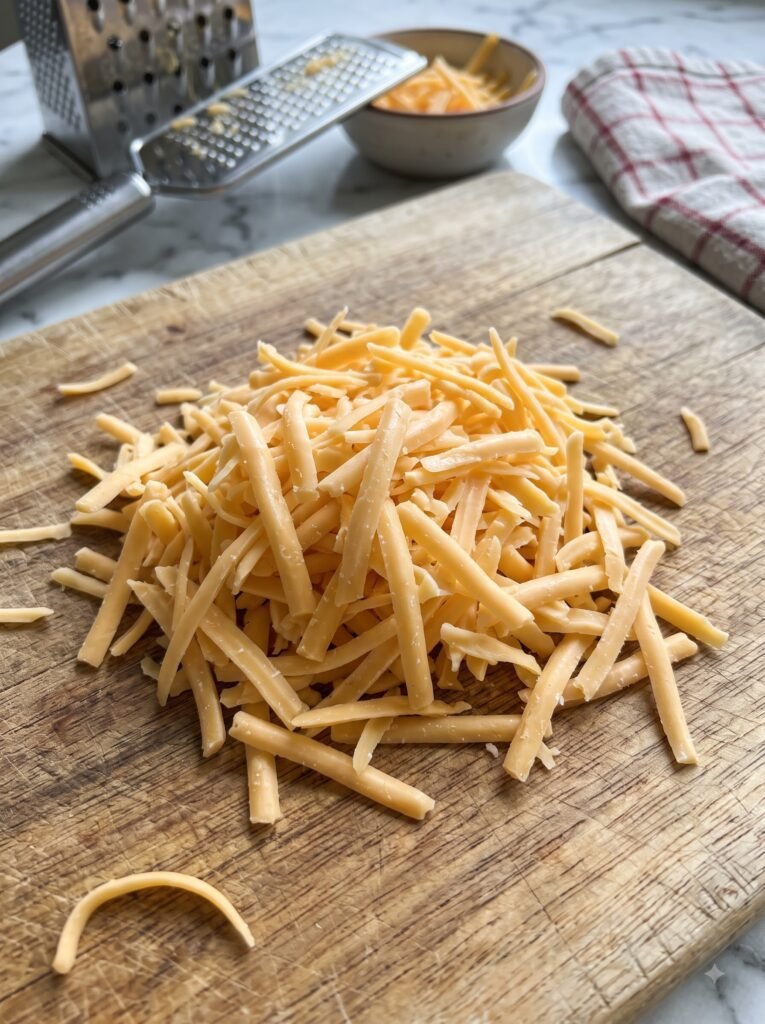
- Why it’s healthy: Calcium, protein, and a familiar family food.
- Safe prep (6–8 months): Choose pasteurized cheeses like mozzarella, mild cheddar, or pasteurized feta. Slice thin — about the thickness of two pencils stacked.
- Safe prep (9+ months): Shredded cheese sprinkled over other finger foods.
- Safety note: Skip soft cheeses like brie, camembert, and blue cheese unless labeled pasteurized and aged — they’re higher-risk for listeria.
30. Hummus on Toast (Smear)
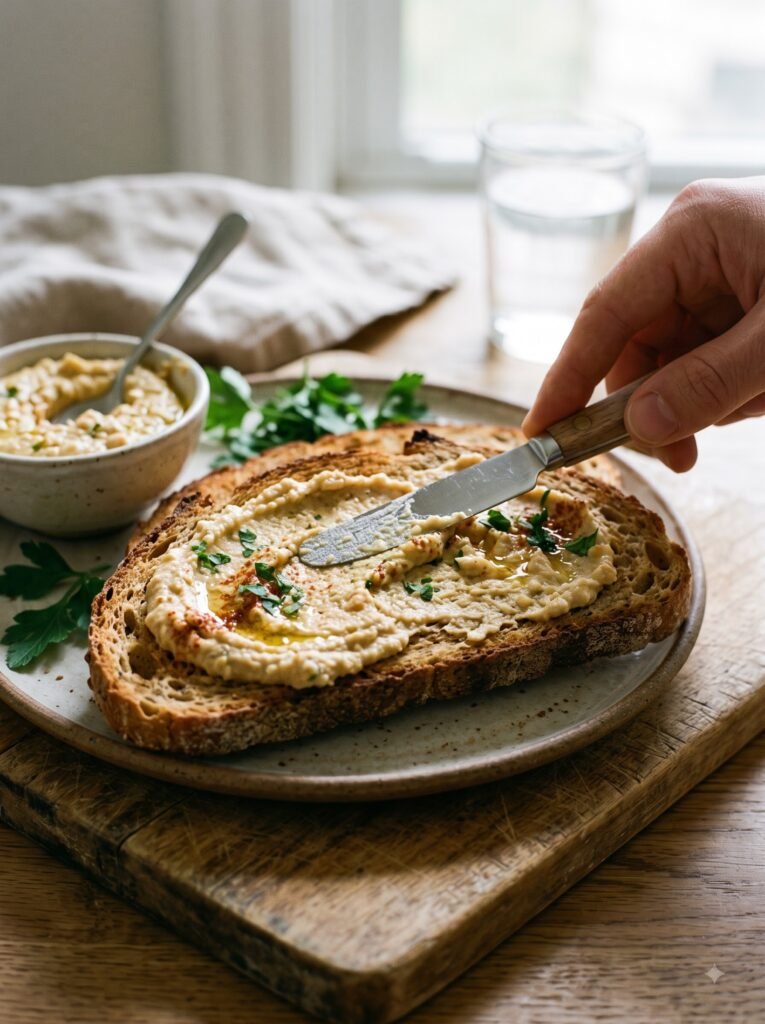
- Why it’s healthy: Plant protein, iron, and healthy fats in an easy dip-and-scoop combo.
- Safe prep (6–8 months): Use plain hummus with minimal added salt. Smear thinly on a soft toast plank. Skip flavored or spicy hummus varieties.
- Safe prep (9+ months): Hummus as a dip for soft steamed veggies.
- Texture note: Choose homemade or low-sodium store brands. Skip the lemon-garlic punchy flavor for early eaters.
Stage-by-Stage Cut Guide
The shape of the food matters as much as the food itself. Here’s the rule pediatric feeding experts generally suggest.
At 6–8 Months (Palmar Grasp + Gumming)
- Aim for finger-length strips about the size and length of an adult’s index finger
- Strips are easy for a baby to hold, lick, and gum
- Skip round coins, slippery cylinders, and hard crunchy textures
- Steam or cook everything soft enough to squish easily between your thumb and forefinger
At 9+ Months (Pincer Grasp + Chewing)
- Pea-sized cubes that baby can pinch
- Continue to skip the high-risk shapes (whole round firm foods, hard chips)
- Add soft shreds of protein, small pasta shapes, and bite-size fruit
Universal Textbook Check Before Serving
Take a piece and squish it between your thumb and the pad of your index finger. If it smushes easily, it’s safe to serve. If it doesn’t, baby isn’t ready or you need more cooking.
Printable Weekly Finger Foods Planner
A loose rotation to use across the week. Adjust portions and pace for your baby.
| Day | Breakfast | Lunch | Snack |
|---|---|---|---|
| Monday | Banana strips | Sweet potato spears | Yogurt with mashed peach |
| Tuesday | Oatmeal with banana | Avocado wedge | Steamed broccoli florets |
| Wednesday | Toast strips with thinned peanut butter | Lentil smear on toast | Cottage cheese with pear |
| Thursday | Pancake strips | Salmon flakes | Watermelon batons |
| Friday | Scrambled egg strips | Shredded chicken | Steamed zucchini planks |
| Saturday | Yogurt + soft mango | Hummus on toast planks | Soft apple planks |
| Sunday | Sticky rice balls | Tofu planks | Steamed carrot batons |
Common Mistakes Parents Make
- Serving raw round foods. Whole grapes, blueberries left whole, raw carrot rounds, and cherry tomatoes top pediatric choking lists. Cut lengthwise into quarters until at least age 5.
- Trying honey “just a little taste.” No honey in any form before 12 months. The risk of infant botulism is real and serious.
- Adding salt or sugar to baby food. Babies’ kidneys and taste preferences are still developing. Skip until at least 12 months.
- Using cow’s milk as the main drink. Cow’s milk is fine in small amounts (cereal, batter, yogurt) but not as a primary hydration source before age 1.
- Skipping allergen introduction out of fear. Postponing peanut, egg, dairy, etc., actually increases allergy risk. Early introduction under pediatrician guidance is now the standard.
- Forgetting the squish test. Always press the food between thumb and forefinger. If it doesn’t smush, baby isn’t ready.
- Tossing a hot dog in the air for fun. Hot dogs are a top choking risk. Skip entirely for finger-food age.
- Watching your phone while baby eats. Active, calm supervision is the rule. No screens, no chitchat away from the chair.
- Forcing bites into baby’s mouth. If they turn their head, respect it. Babies self-regulate beautifully when given the chance.
- Cutting carrots raw “just because they like them.” Raw carrot rounds are choking hazards. Steam until fully soft.
- Whole nut butter instead of thinned. Never serve a glob of peanut butter. Thin it with water or yogurt first.
- Letting another toddler feed baby. Older siblings can’t gauge food size in tiny mouths. Adult supervision always.
- Skipping pediatric check-ins for allergen introduction. Especially if baby has eczema or family allergy history, talk to the pediatrician before peanut or egg.
Frequently Asked Questions
1. When should I introduce finger foods?
Most babies are ready around 6 months, when they have good head control, can sit supported, show interest in your food, and have lost the tongue-thrust reflex. The AAP notes that introducing solids before 4 months is not generally recommended, but the calendar isn’t the rule — baby cues are (AAP Infant Food and Feeding).
2. How do I know if a food is the right size?
Use the squish test. Press a piece between your thumb and the pad of your index finger. If it smushes easily, baby is ready. If it stays firm, steam longer or wait until baby is older. Aim for finger-length strips at 6–8 months and pea-sized cubes at 9+ months.
3. Are finger foods safer than purées?
Both can be safe and complementary. Finger foods build oral-motor strength and self-regulation. Purées support babies who haven’t yet developed the chewing skills. Many families combine both. Active adult supervision is the constant.
4. Should I worry about choking with finger foods?
The biggest risk is food shape. Skip whole round firm foods (grapes, cherries, hot dog coins), raw hard vegetables (carrot rounds), whole nuts, popcorn, and chunks of nut butter. Cut these shapes differently or save them for later. The CDC’s infant nutrition choking hazard list is a great bookmark.
5. Can my baby eat honey if it’s “baked into” something?
Baked honey isn’t considered safe enough. The AAP and CDPH both recommend avoiding honey in any form until 12 months because of infant botulism risk.
6. Can my baby have cow’s milk?
Cow’s milk is okay as an ingredient in small amounts (yogurt, pancake batter) before 12 months, but it should not be a main drink until then. Whole cow’s milk as a primary drink can stress iron levels and provide too much protein for tiny kidneys.
7. How do I introduce common allergens like peanut or egg?
For most babies, the LEAP-aligned approach now recommends introducing allergens between roughly 4 and 11 months, with pediatrician guidance often suggesting early introduction actually lowers allergy risk (FoodAllergy.org LEAP). For infants with severe eczema or known egg allergy, ask the pediatrician — they may recommend the first taste in the office. Introduce one allergen at a time, in small amounts, for 3–5 days, watching for any reaction.
8. How many times should I offer a new food before deciding baby dislikes it?
Research shows ten or more exposures. Often babies reject a flavor the first five times and then warm up to it. Don’t write off a food after one or two rounds.
9. What if my baby gags?
Gagging is normal and protective. It’s different from choking. A gaging baby usually coughs, sputters, or pushes food forward. Stay calm, let them work it out, and avoid sticking fingers in their mouth because that may push food further. Choking is silent — look for color change, inability to cough, or no sound.
10. How do I know if my baby is chewing enough food?
At 6–8 months, babies mostly gum. Watch for rhythmic jaw movement, not tooth action. As molars emerge (12–18 months), real chewing kicks in. Mash, steam, and serve soft textures until chewing is confirmed.
11. Should I use a high chair or hold baby on my lap?
A high chair with a footrest and a supported seat is preferred. Babies who sit at a table with feet braced tend to swallow more safely than babies being fed on a parent’s lap.
12. Are pouches okay?
Pouches are fine in moderation, but they don’t teach chewing or self-regulation. Pair pouches occasionally with finger food meals to give baby a full oral-motor experience.
13. How do I prevent picky eating later?
Offer a wide variety early and often. Pair new foods with familiar favorites. Eat the same foods at family meals. Babies mirror adults they see eating happily. The first year is your prime window for flavor flexibility.
14. How long until baby eats what the family eats?
Most babies transition to soft family meals around 9–12 months, with adaptations for shape and seasoning. Skip added salt, sugar, and spicy heat until after 12 months at minimum.
Final Thoughts
The first bite is rarely the most successful. The first carrot might be flung across the room. The first avocado might end up in baby’s hair, in dog’s bowl, in laundry pile, and nowhere near baby’s mouth. That’s all part of it.
The point of finger foods isn’t the perfect Instagram plate. It’s your baby learning, slowly, what food feels like in their hands. Every soft spear they pick up is a small experiment in coordination, curiosity, and trust. Every new color is a tiny vote in favor of adventure.
Slow down a little. Squish each new food between your fingers before you serve it. Sit with them while they eat. Skip the screens. Talk about what you’re sharing. Repeat the flavor ten times before you give up on it.
You don’t need to memorize 30 foods. You need a few good ones you can rotate, a squish test you trust, and the willingness to toss a sweet potato on the high chair tray tomorrow morning.
That’s it. The rest is mostly mashed avocado, anyway.