
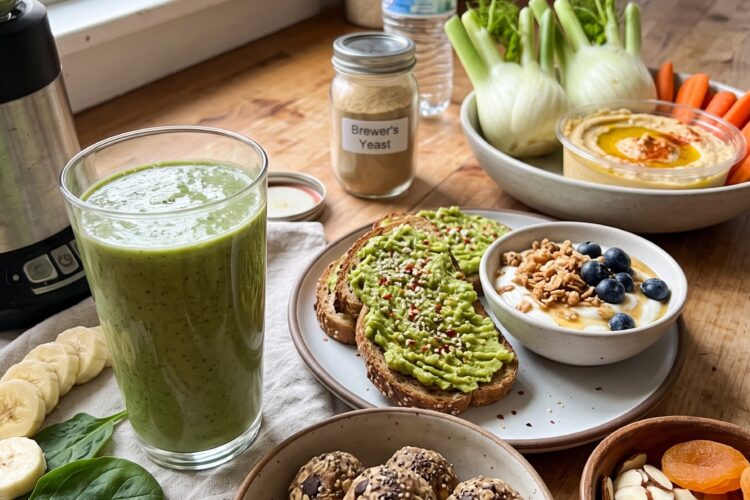
Somewhere between the 2am feeding and the third load of baby laundry, you’ve probably wondered if what’s on your plate is actually helping your milk supply — or just filling the gap between naps. You’re not imagining it: what you eat genuinely can play a supporting role in a healthy breastfeeding journey.
Snacks to increase breastmilk supply aren’t magic, but many contain nutrients and compounds — like oats, fenugreek, or healthy fats — that lactation consultants and breastfeeding moms swear by as part of a bigger picture that includes hydration, rest, and frequent nursing or pumping. Think of these snacks as helpful teammates, not a standalone solution.
In this list, you’ll find 30 practical, mostly one-handed, genuinely tasty snack ideas that fit into real postpartum life — from lactation cookies you can make in bulk to grab-and-go options for those days when cooking feels impossible.
Quick note before we dive in: Milk supply is influenced by many factors, including how often and effectively baby feeds, hydration, sleep, and stress. If you’re experiencing a real supply drop, please talk to a lactation consultant or your doctor — food can support supply, but it isn’t a replacement for professional guidance.
1. Classic Lactation Cookies
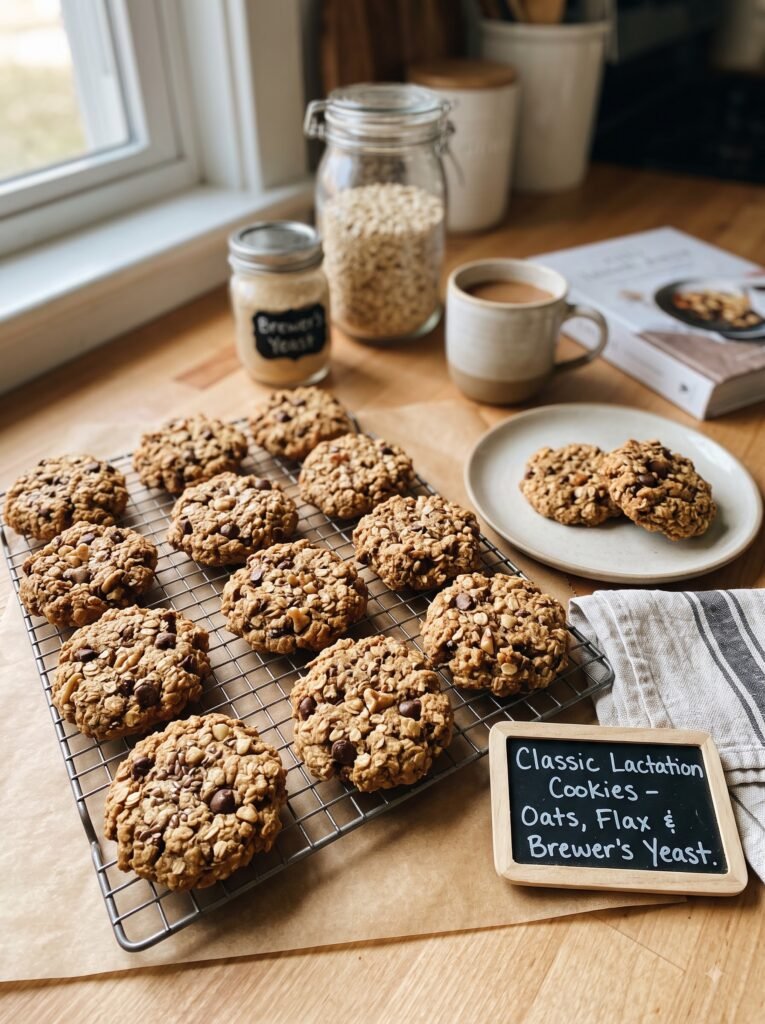
Lactation cookies — usually a mix of oats, flaxseed, brewer’s yeast, and often chocolate chips — are the poster child of breastfeeding snacks for a reason. They taste like a treat while sneaking in supply-supporting ingredients.
Moms love them because they feel indulgent rather than like “eating for a purpose,” which matters a lot when you’re touched-out and exhausted. They also freeze beautifully, so one baking session covers weeks.
These work best made in a big batch during a nap or with help from a partner, then stashed in the freezer for grab-and-go days. Keep a few thawed in the fridge for quick access during cluster feeding sessions.
Budget-friendly version: skip specialty “lactation cookie mix” bags and just add a scoop of brewer’s yeast and ground flaxseed to your favorite basic oatmeal cookie recipe.
Common Mistake: Brewer’s yeast has a strong, bitter taste in large amounts — start with a small quantity and adjust, since too much can make an entire batch unpleasantly bitter and go to waste.
2. Overnight Oats with Flaxseed
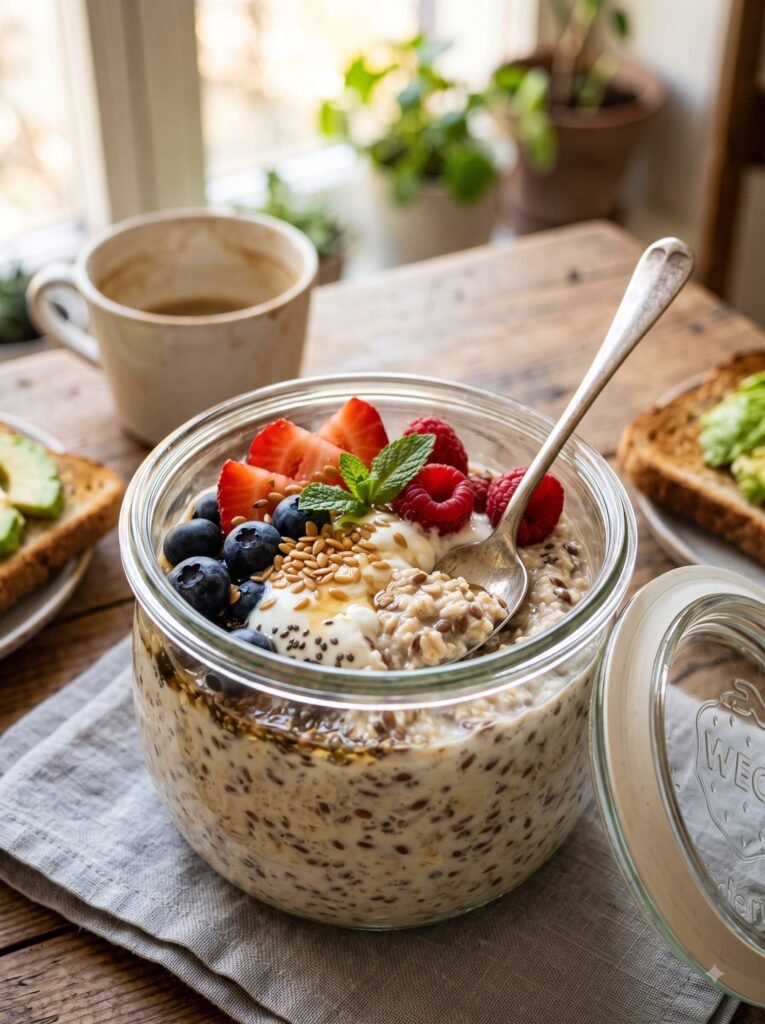
Oats are one of the most commonly recommended galactagogue foods, and overnight oats make them effortless — just mix, refrigerate, and grab a jar on your way past the fridge.
Parents love this snack because it requires zero morning effort, which is everything when you’re running on broken sleep. It’s also endlessly customizable with whatever fruit or nut butter you have on hand.
This works best prepped the night before in mason jars, so you have three or four ready to go throughout the week. Add a spoonful of ground flaxseed for extra omega-3s and fiber.
Pro Tip: Use rolled oats rather than instant oats for better texture after soaking overnight, and add a splash of milk or a milk alternative just before eating if the mixture feels too thick.
If you’re short on time, a packet of plain instant oatmeal with flaxseed stirred in still delivers the core benefits, just with a softer texture.
3. Fenugreek Tea with a Handful of Almonds
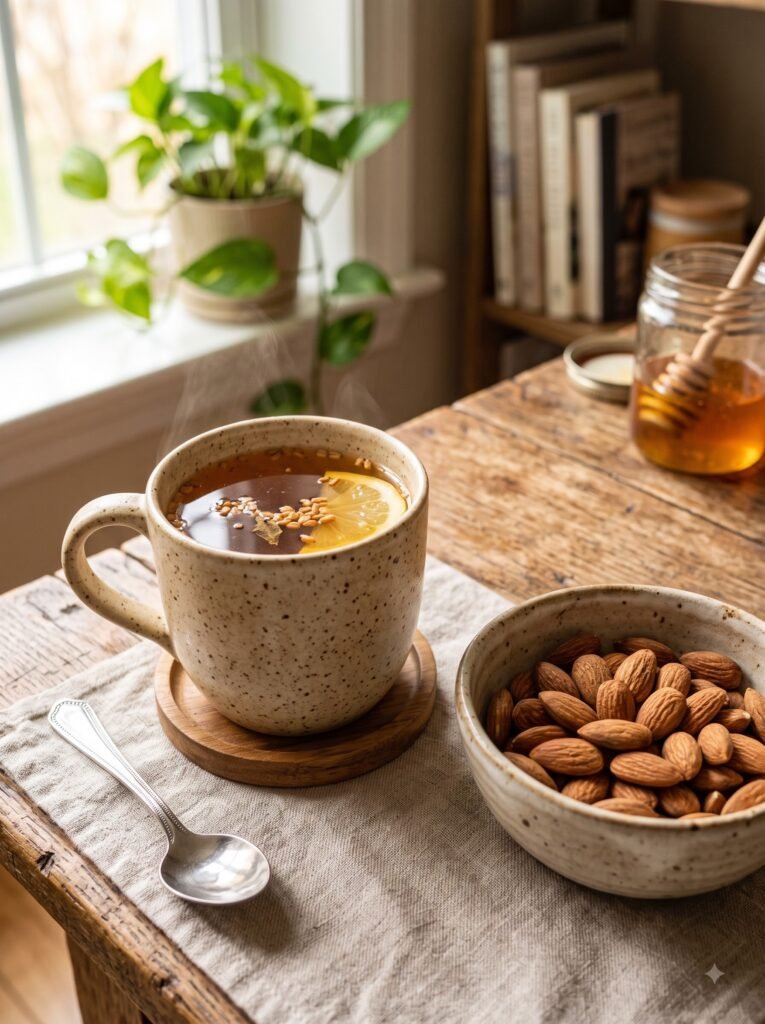
Fenugreek is one of the most talked-about herbs in breastfeeding circles, and pairing a warm cup of fenugreek tea with a small handful of almonds turns it into a proper snack rather than just a drink.
Nursing moms love this combo for the cozy, ritual-like feeling — many find that pausing for a warm drink during a feeding session doubles as a moment of calm.
This pairing works especially well in the early morning or right before a pumping session. Almonds add healthy fats and a bit of protein to keep you full between meals.
Safety Consideration: Fenugreek isn’t right for everyone — it can interact with certain medications and isn’t recommended during pregnancy, so check with your doctor or a lactation consultant before adding it regularly, especially if you have diabetes or a legume allergy.
Budget tip: fenugreek tea bags are inexpensive and widely available at grocery stores, making this one of the more affordable options on this list.
4. Oatmeal Energy Bites
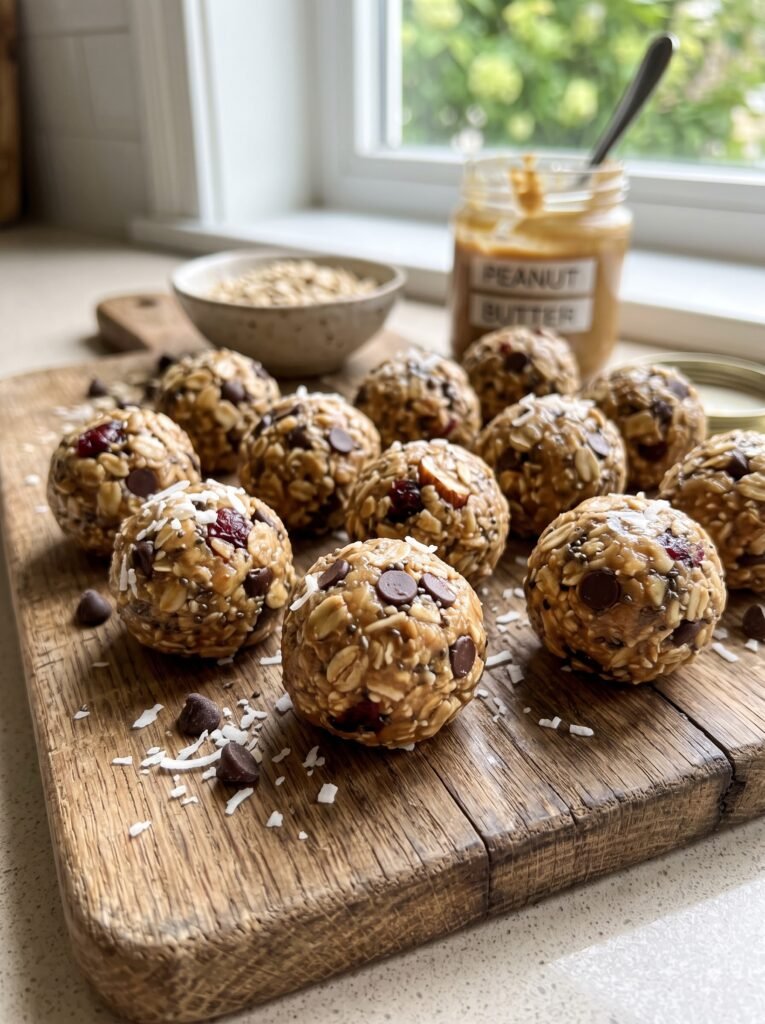
No-bake oatmeal energy bites — rolled oats, nut butter, honey, and mix-ins like flax or chia seeds — are a beloved postpartum snack because they require no oven and store well at room temperature.
Moms love that these can be eaten one-handed while nursing, which is a genuinely underrated quality in any new-parent snack.
These work best made in a big batch on a Sunday and kept in the fridge or freezer, ready whenever hunger strikes between feeds.
Parent Hack: Roll the mixture into bite-sized balls while it’s still slightly warm — it’s much easier to shape than once it’s fully chilled and firm.
If nut allergies are a concern, sunflower seed butter is a great swap that keeps the same texture and protein content without the allergen risk.
5. Steel-Cut Oatmeal Breakfast Bowl
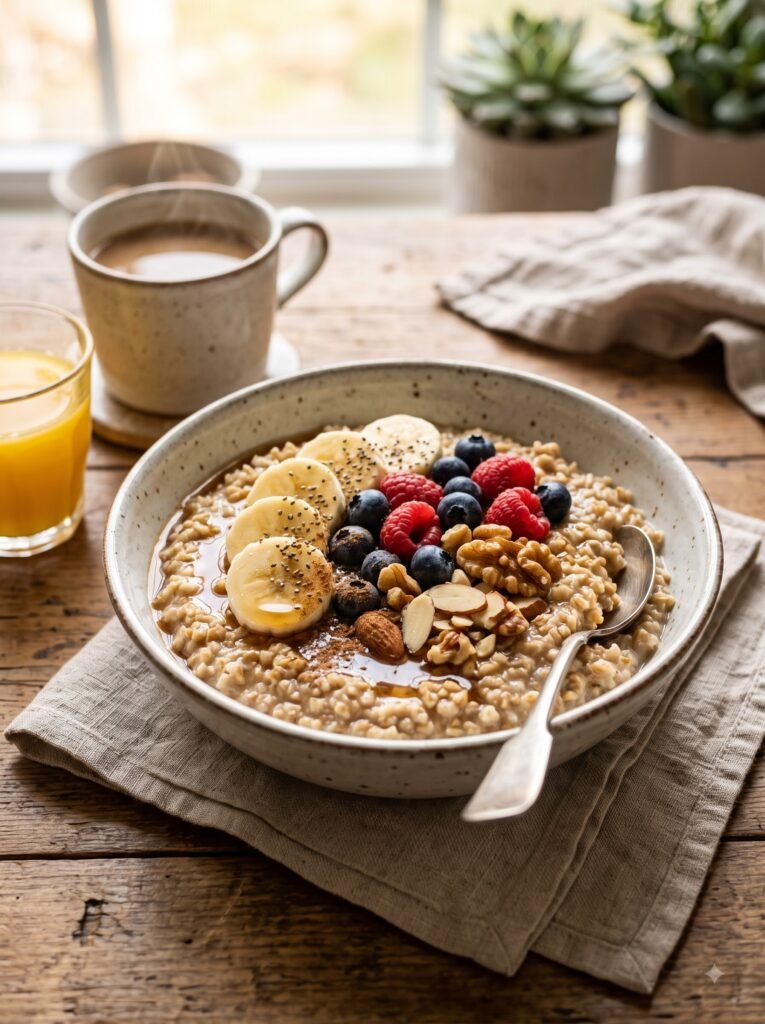
A warm bowl of steel-cut oats delivers a heartier, more filling version of the classic oats-for-supply approach, especially useful on mornings when you need something more substantial than a quick snack.
Parents love this option because it feels like a real meal rather than “just a snack,” which can be satisfying on days when everything else feels rushed.
This works best as a make-ahead breakfast — cook a big batch at the start of the week and reheat portions with a splash of milk each morning.
Top it with banana, cinnamon, and a spoonful of nut butter for extra calories and flavor, which matters since breastfeeding increases caloric needs.
Quick Tip: Steel-cut oats take longer to cook than rolled oats, so a slow cooker or instant pot version prepped overnight saves significant morning time.
6. Trail Mix with Oats, Nuts, and Dried Fruit
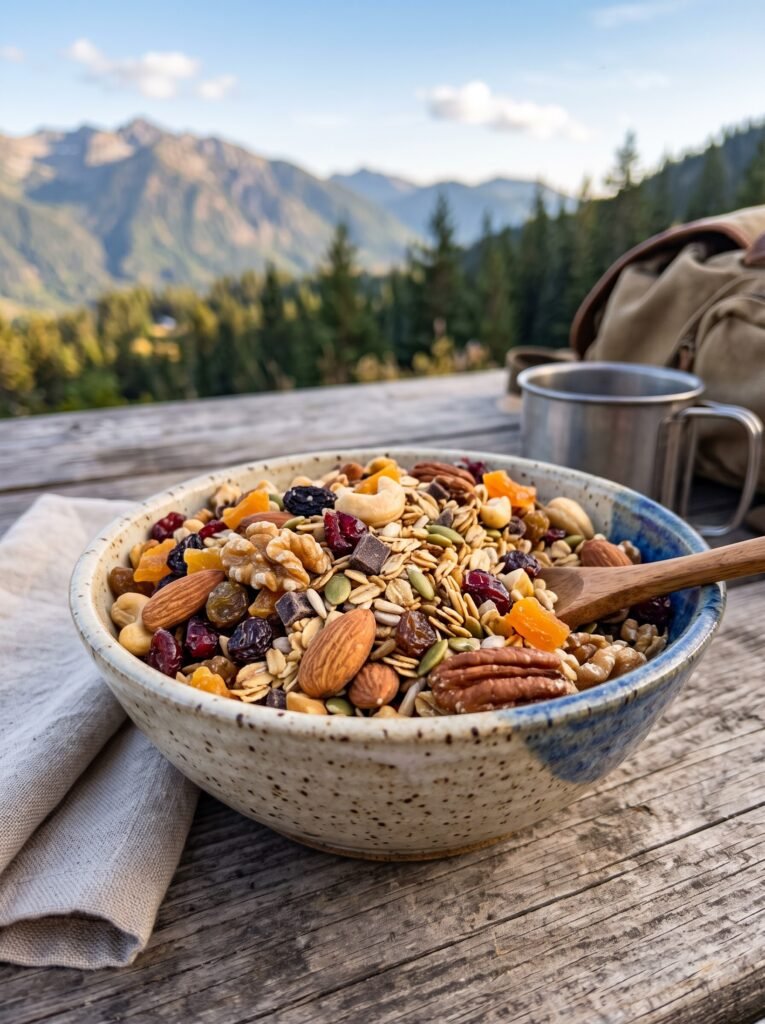
A simple trail mix combining rolled oats, almonds, walnuts, and dried apricots or cranberries is an easy way to snack on galactagogue-friendly ingredients without any prep beyond mixing.
Moms love trail mix because it travels well — toss a bag in the diaper bag, car, or nightstand for whenever hunger hits unexpectedly.
This works especially well for on-the-go days, pediatrician visits, or those long feeding sessions where you need something within arm’s reach.
Budget-friendly version: buy ingredients in bulk from the bulk bins section rather than pre-made trail mix bags, which often carry a premium price.
Common Mistake: Store-bought trail mixes can be surprisingly high in added sugar and salt — check labels, or make your own so you control exactly what goes in.
7. Barley Soup or Barley Salad
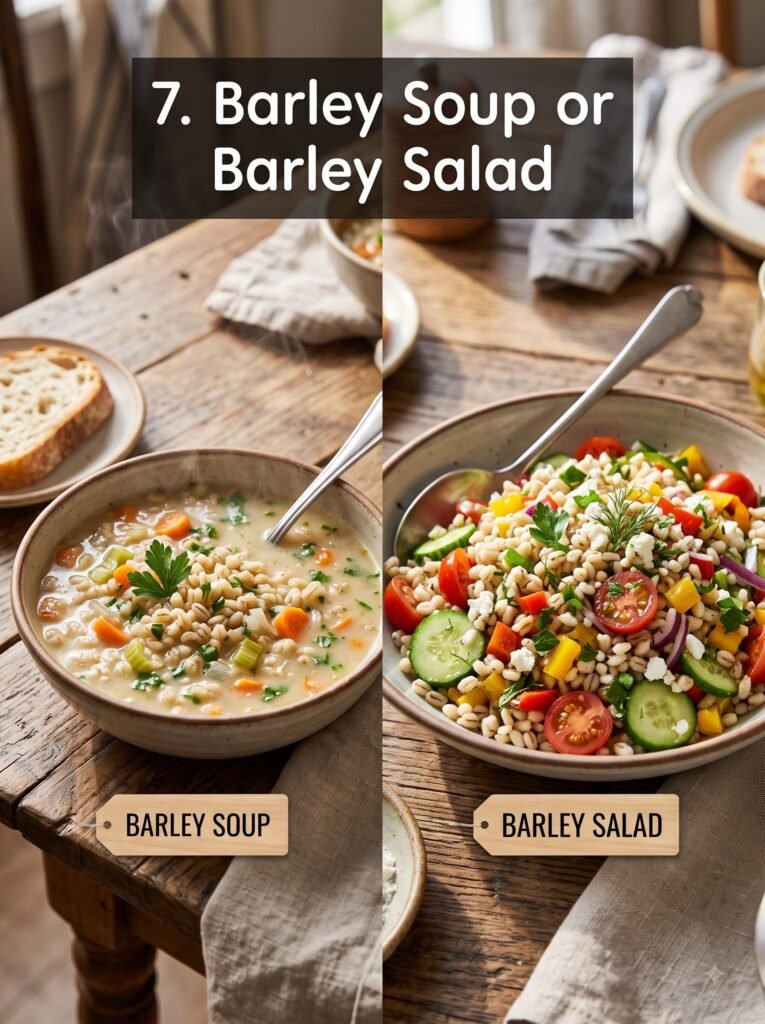
Barley is another grain traditionally associated with supporting milk supply, and it works well in both warm soups and cold grain salads depending on the season.
Parents love barley’s chewy, satisfying texture, and it holds up well as leftovers, making it a practical choice for batch cooking during the postpartum weeks.
This works best as a lunch or dinner side rather than a quick snack, though leftover barley salad makes a great cold, ready-to-eat option straight from the fridge.
Expert Advice: Pair barley with iron-rich ingredients like spinach or lean protein, since postpartum iron needs are often elevated, especially after blood loss during delivery.
If you’re short on time, quick-cooking pearl barley or even barley added to canned soup is a simple shortcut that still delivers the core ingredient.
8. Fennel Seed and Yogurt Bowl
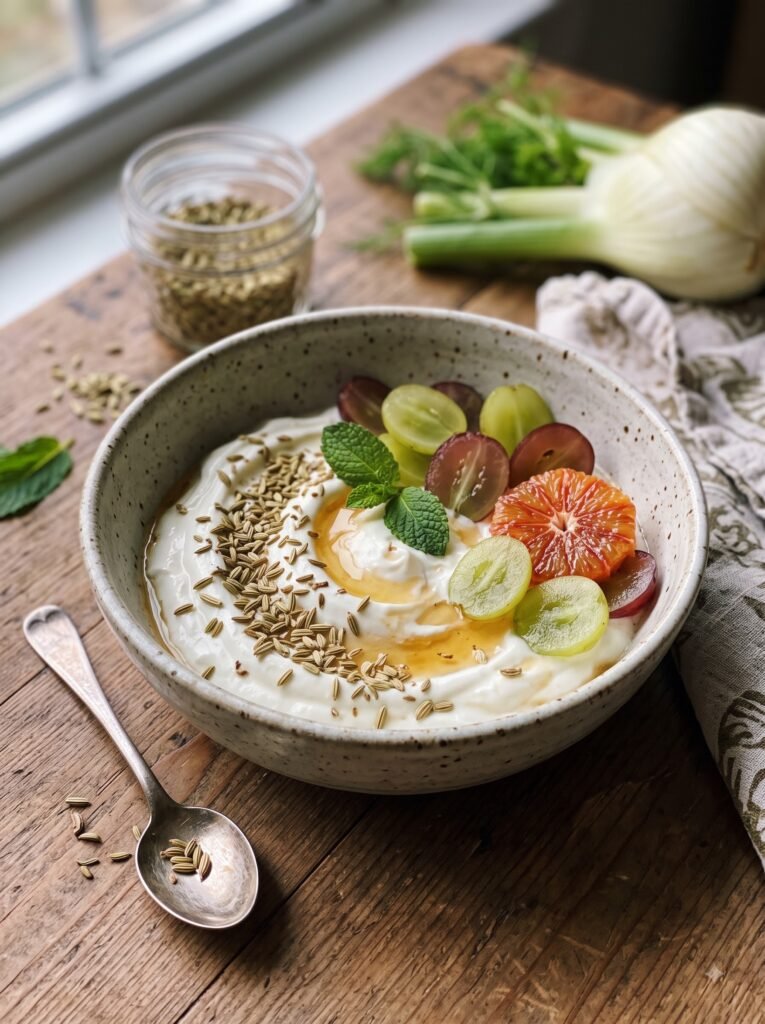
Fennel seeds are another traditional galactagogue, and sprinkling them over a bowl of plain yogurt with honey creates a light, digestive-friendly snack.
Moms love the subtle licorice-like flavor fennel adds, and yogurt brings probiotics and calcium that support overall postpartum recovery.
This works well as an afternoon snack or a light dessert after dinner. Toasting the fennel seeds lightly in a dry pan first brings out more flavor.
Quick Tip: If the flavor of whole fennel seeds isn’t for you, fennel tea is a milder alternative that still delivers similar traditional benefits.
Choose plain, unsweetened yogurt when possible and add your own honey or fruit, since flavored yogurts often contain more added sugar than necessary.
9. Chia Seed Pudding
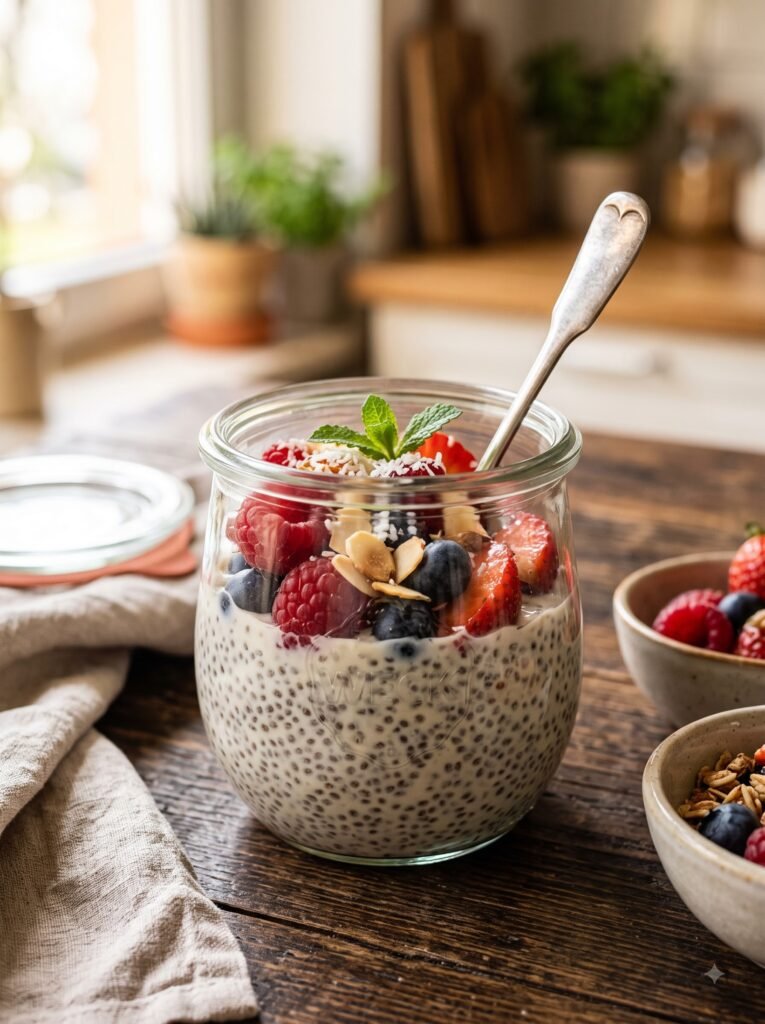
Chia seed pudding — chia seeds soaked in milk or a milk alternative until they form a thick, tapioca-like texture — is a make-ahead snack packed with omega-3 fatty acids and fiber.
Parents love how filling a small serving feels, and the prep-ahead nature means it’s ready whenever a craving or hunger pang hits during a long day of feeds.
This works best prepped the night before in individual jars, so breakfast or a snack is already portioned and ready to grab.
Budget tip: chia seeds are relatively inexpensive per serving since only a small amount is needed to thicken a full cup of liquid.
Common Mistake: Not letting the pudding set long enough — chia seeds typically need at least four hours, and ideally overnight, to fully absorb liquid and reach the right texture.
10. Whole Grain Crackers with Hummus
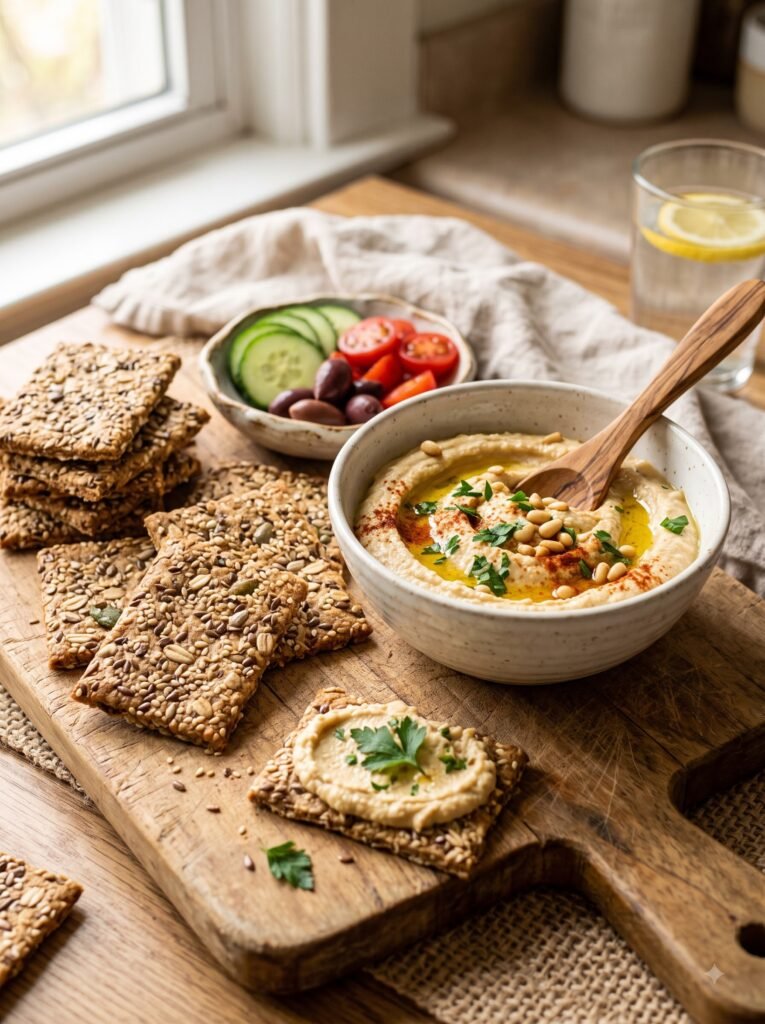
A simple plate of whole grain crackers with hummus might not sound exciting, but it’s a genuinely solid combination of complex carbs, fiber, and plant protein that supports steady energy throughout the day.
Moms love this snack for its simplicity — no cooking, no prep beyond opening containers, and it satisfies both a savory craving and hunger.
This works well any time of day, but especially as a mid-afternoon snack when energy tends to dip. Chickpeas, the main ingredient in hummus, are another food often mentioned in traditional galactagogue lists.
Pro Tip: Keep a container of hummus and a box of whole grain crackers in an easily reachable spot near your usual nursing chair — reducing the steps between “I’m hungry” and “I’m eating” makes a real difference on hard days.
Store-bought hummus works perfectly fine here; this isn’t a snack that requires homemade effort to be effective or satisfying.
11. Avocado Toast on Whole Grain Bread
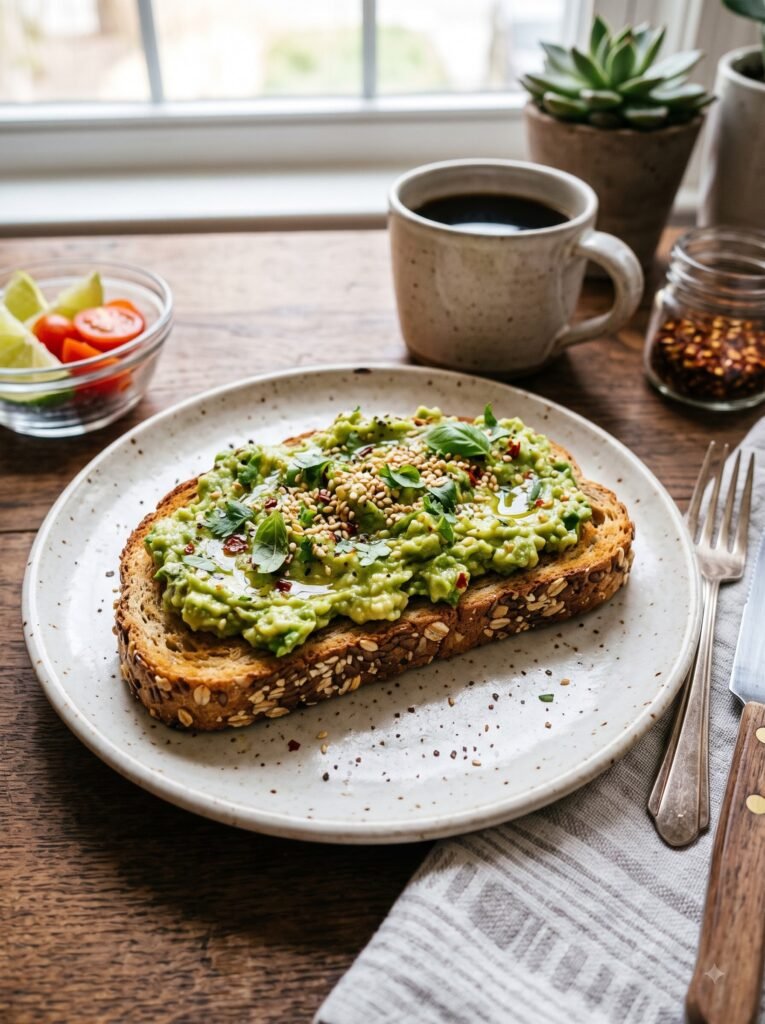
Avocado toast delivers healthy monounsaturated fats, fiber, and enough substance to genuinely count as a meal replacement when you don’t have time for a sit-down lunch.
Parents love how quickly it comes together — under five minutes from fridge to plate — and how easily it adapts with toppings like a fried egg, everything bagel seasoning, or a sprinkle of hemp seeds.
This works especially well for breakfast or a midday meal, and whole grain bread adds the fiber and complex carbs associated with sustained energy.
Why You’ll Love It: Avocados are calorie-dense and nutrient-rich, which matters because breastfeeding typically increases daily caloric needs by several hundred calories — a snack like this helps meet that need without much effort.
Budget-friendly swap: frozen avocado halves (increasingly available at most grocery stores) are often cheaper and reduce food waste from avocados that go bad before you get to them.
12. Salmon and Whole Grain Crackers
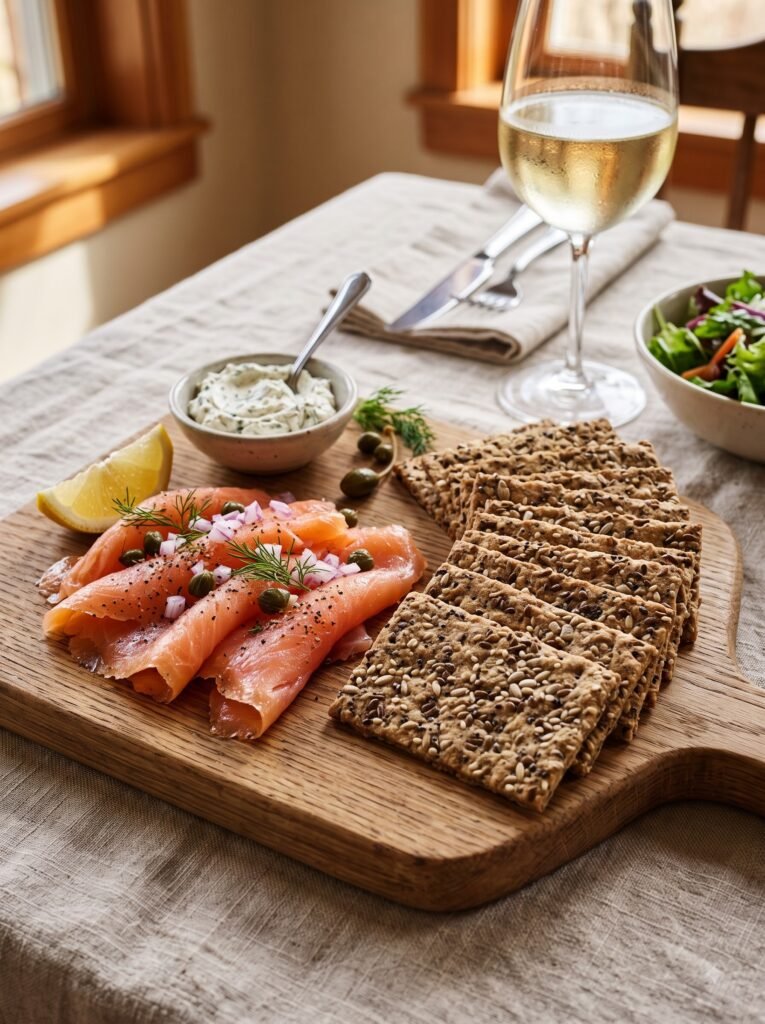
Salmon is rich in omega-3 fatty acids and protein, both of which support postpartum recovery and, according to many lactation consultants, overall milk quality and supply.
Moms love keeping canned or pouched salmon on hand because it requires zero cooking — just open, add to crackers, and you have a protein-packed snack in under a minute.
This works particularly well for busy afternoons when a real meal isn’t happening but you still need substantial, nourishing food.
Safety Consideration: Choose lower-mercury fish options like salmon over higher-mercury choices, and if you have any specific dietary concerns, check current guidance on fish consumption while breastfeeding with your healthcare provider.
Budget tip: canned salmon is typically far less expensive than fresh filets and has a long shelf life, making it easy to always have on hand.
13. Sweet Potato with Nut Butter
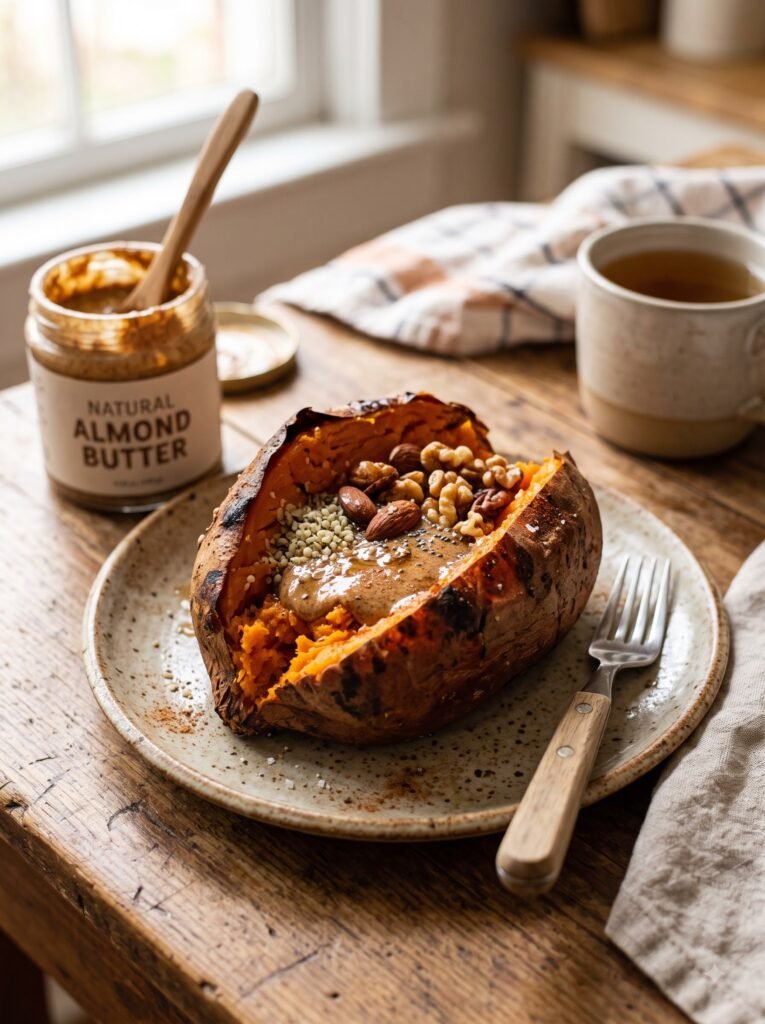
A baked or microwaved sweet potato topped with a spoonful of almond or peanut butter combines complex carbohydrates, fiber, and healthy fats in one warm, comforting snack.
Parents love this combination because sweet potatoes are naturally filling, and the nut butter adds staying power that plain fruit or crackers sometimes lack.
This works best as an afternoon or evening snack, especially reheated from a batch of sweet potatoes roasted earlier in the week.
Parent Hack: Microwave a whole sweet potato for about five minutes (poke holes first) when you don’t have time to oven-roast — it’s not quite as caramelized, but it gets the job done in a fraction of the time.
Add a sprinkle of cinnamon for extra flavor without any added sugar, which is a nice bonus if you’re watching sugar intake.
14. Homemade Granola Bars
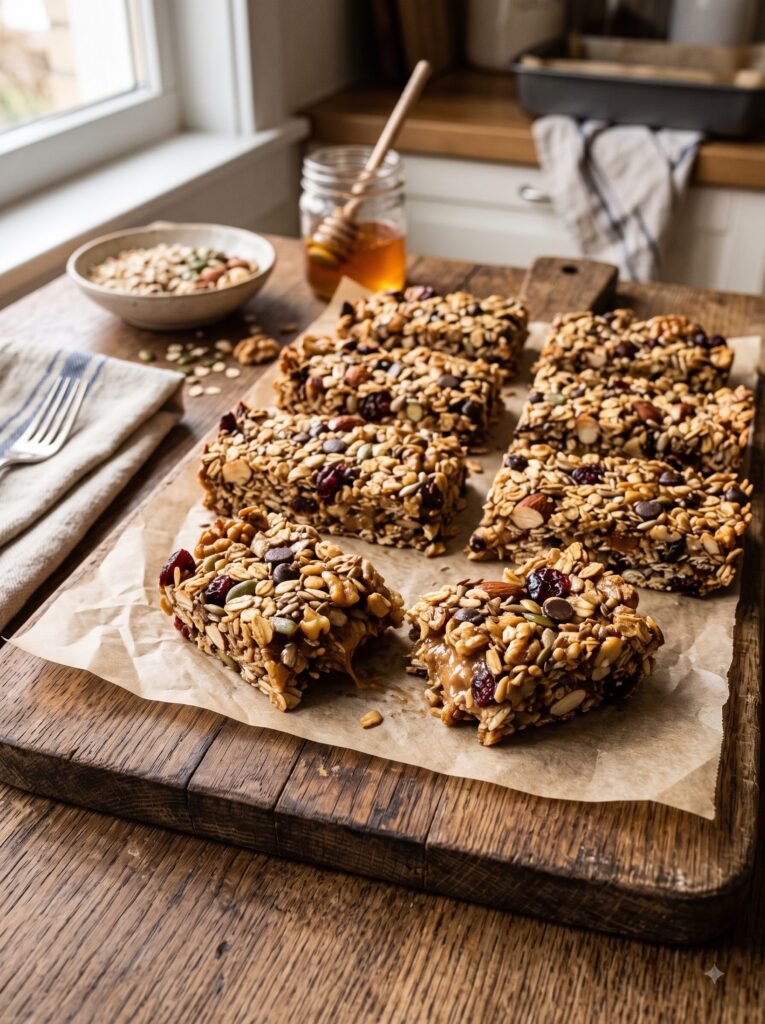
Homemade granola bars let you control exactly what goes in — oats, flaxseed, nuts, and a touch of honey — while avoiding the high sugar content of many store-bought versions.
Moms love having a batch ready in the freezer for grab-and-go moments, whether that’s a quick bite before a pediatrician appointment or a snack during a long night feed.
These work best prepped in a big batch and cut into individual bars, then wrapped and frozen so they thaw quickly whenever you need one.
Budget-friendly tip: a basic oat-and-honey granola bar recipe costs a fraction of specialty “lactation bar” products while delivering similar core ingredients.
Common Mistake: Pressing the mixture too loosely into the pan before chilling often leads to bars that crumble apart — press firmly and let them chill fully before cutting for cleaner slices.
15. Dark Leafy Greens Smoothie
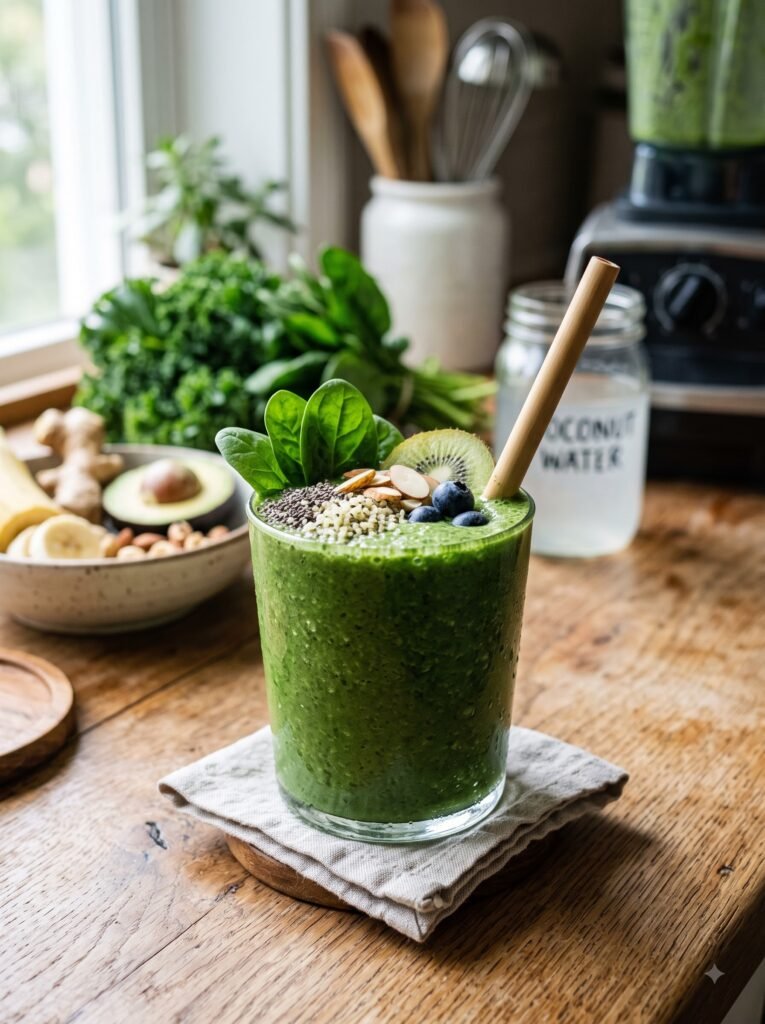
Blending spinach or kale into a smoothie with fruit, yogurt, and a splash of milk is an easy way to add iron and calcium-rich greens to your day without having to actually chew a salad.
Parents love smoothies because they’re genuinely one of the fastest ways to pack a lot of nutrition into a form you can drink one-handed while nursing.
This works well any time of day, but especially as a quick breakfast replacement on mornings when a full meal just isn’t happening.
Quick Tip: Freeze spinach or kale in ice cube trays ahead of time so it’s always ready to toss into the blender without wilting in the fridge first.
Add a scoop of oats directly into the blender for extra fiber and a thicker, more filling texture.
16. Roasted Chickpeas
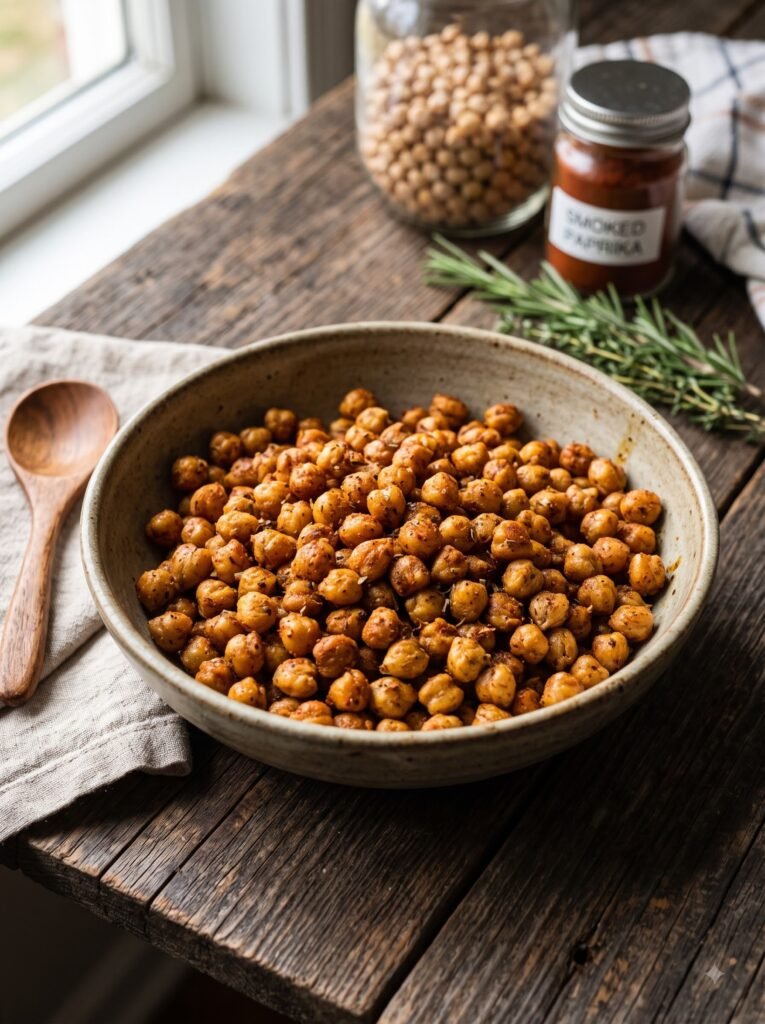
Crunchy roasted chickpeas seasoned with olive oil and a bit of salt make for a satisfying, protein-rich snack that’s easy to eat by the handful during a feeding session.
Moms love the satisfying crunch, which can feel especially good compared to softer postpartum-friendly foods that dominate this stage of life.
This works well as an afternoon snack or a topping for salads and soups, giving you flexibility beyond just eating them plain.
Budget tip: canned chickpeas are inexpensive, and roasting a batch at home costs far less than buying pre-packaged roasted chickpea snacks.
Pro Tip: Pat chickpeas completely dry with a towel before roasting — excess moisture is the main reason homemade roasted chickpeas sometimes turn out soggy instead of crispy.
17. Brewer’s Yeast Smoothie or Shake
Brewer’s yeast is one of the most frequently cited ingredients in traditional lactation support foods, and blending a small amount into a fruit smoothie masks its notably bitter taste far better than eating it plain.
Parents love this method because it delivers the ingredient’s benefits without having to choke down a bitter cookie or bar if that’s not your thing.
This works best blended with strong-flavored fruits like banana, berries, or mango, which help cover the yeast’s distinct taste.
Common Mistake: Adding too much brewer’s yeast at once can cause digestive upset for some people — start with a small amount (often as little as a teaspoon) and see how you tolerate it before increasing.
Nutritional yeast is a different product with a milder, cheesier flavor, so double-check you’re purchasing brewer’s yeast specifically if that’s the ingredient you’re after.
18. Whole Grain Bagel with Cream Cheese
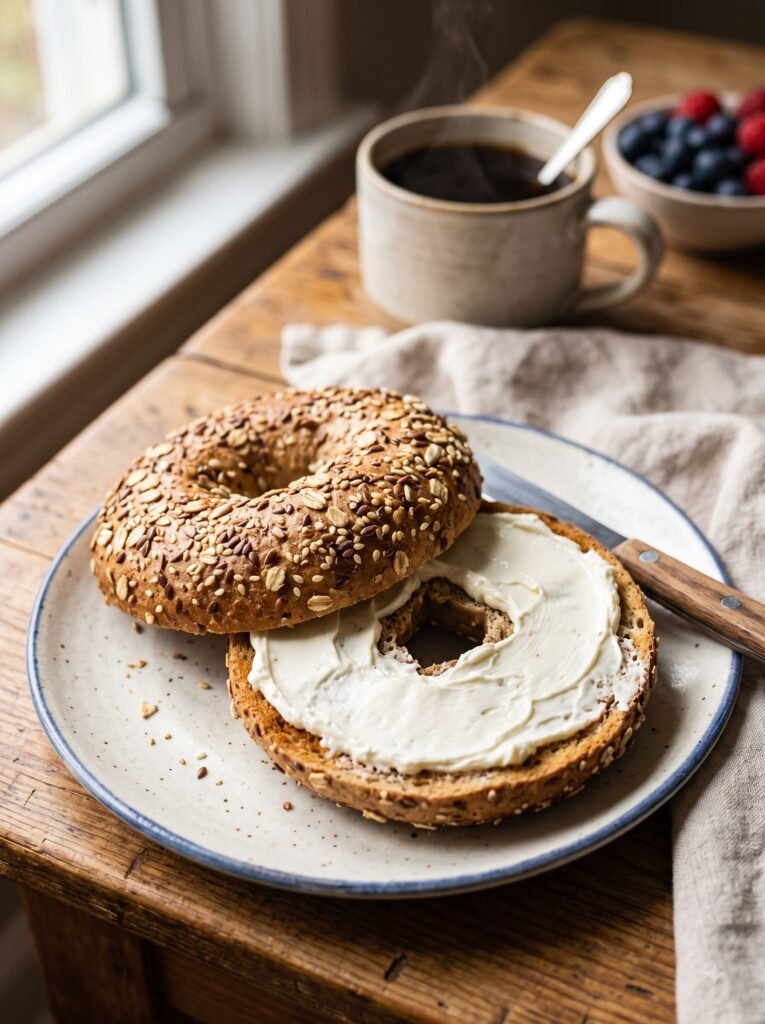
A hearty whole grain bagel with a generous spread of cream cheese might feel like an indulgent choice, but it’s genuinely a solid source of complex carbohydrates and calories for a nursing mom’s increased energy needs.
Moms love this snack because it’s satisfying, familiar, and doesn’t require any special ingredients or prep — just toast and spread.
This works well as a breakfast or midday snack, especially paired with a piece of fruit for added vitamins and fiber.
Why You’ll Love It: Sometimes the most helpful “lactation food” is simply whatever keeps you eating enough calories consistently throughout a hectic day, and a filling bagel does exactly that.
Budget-friendly swap: store-brand whole grain bagels and cream cheese work just as well nutritionally as pricier specialty options.
19. Coconut Water and Dates
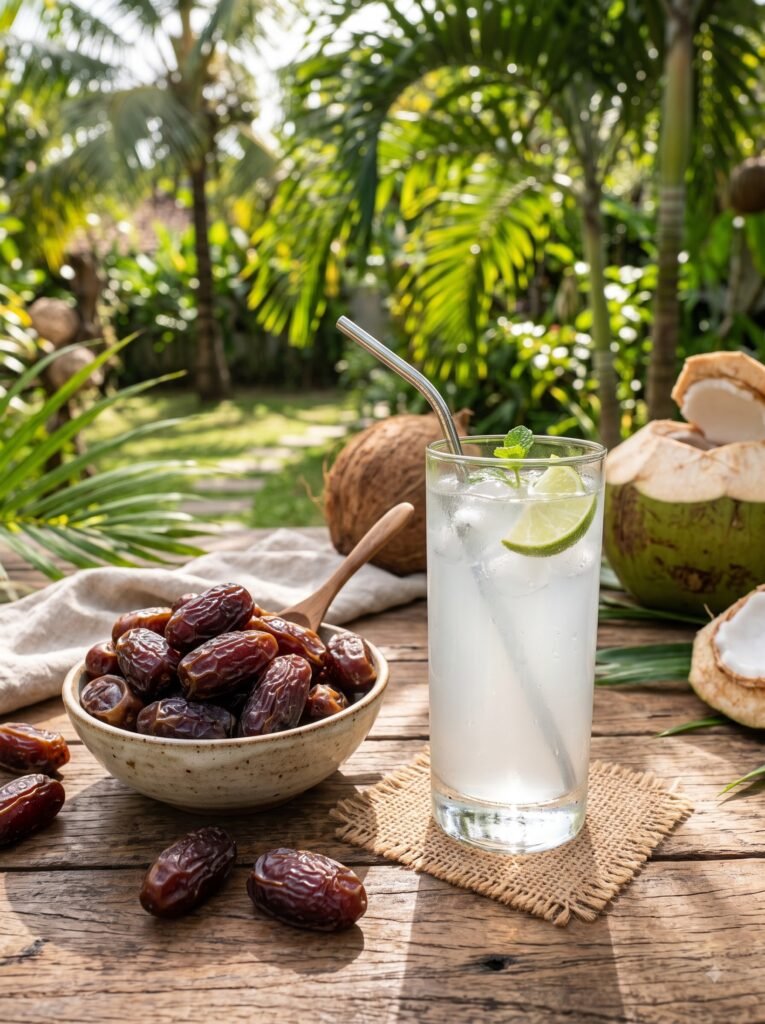
Coconut water provides natural electrolytes and hydration, while dates offer a quick source of natural sugars and fiber — together they make a refreshing, energizing combo.
Parents love this pairing on hot days or after a workout, since staying well-hydrated is consistently mentioned by lactation consultants as important for maintaining supply.
This works especially well post-exercise or first thing in the morning when hydration needs are highest after a night of feeds.
Expert Advice: Staying hydrated matters more for milk supply than any single “miracle food,” so keeping a water bottle within reach at all times is one of the simplest, most effective habits you can build.
Budget tip: plain water with a squeeze of lemon and a couple of dates on the side achieves a similar effect without the cost of packaged coconut water.
20. Peanut Butter and Banana on Whole Wheat Toast
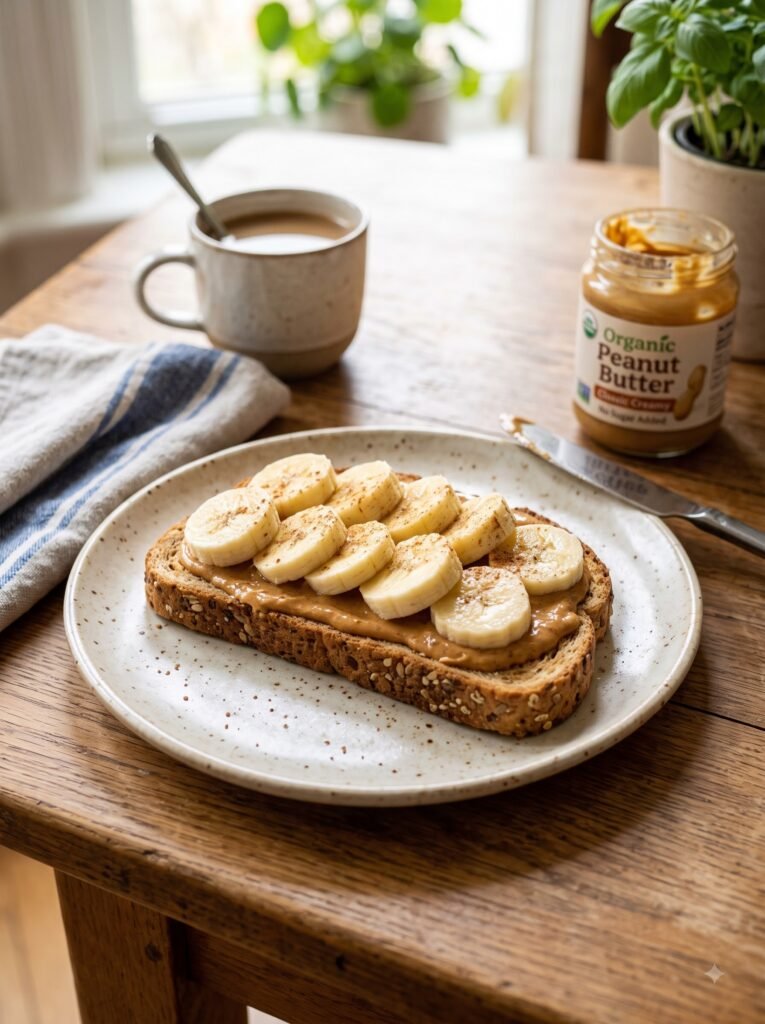
This classic combination pairs protein and healthy fats from peanut butter with quick natural energy from banana, all on filling whole wheat bread.
Moms love it because it takes under three minutes to make and reliably satisfies both hunger and cravings, which is exactly what you need during a marathon nursing session.
This works well any time of day but is especially popular as a quick breakfast or late-night snack during nighttime feeds.
Parent Hack: Pre-slice bananas and store them in the fridge for a day or two so assembly takes even less time when you’re operating on minimal sleep.
If peanut allergies are a concern in your household, sunflower seed butter or almond butter are easy one-to-one substitutes.
21. Quinoa Salad with Nuts and Seeds
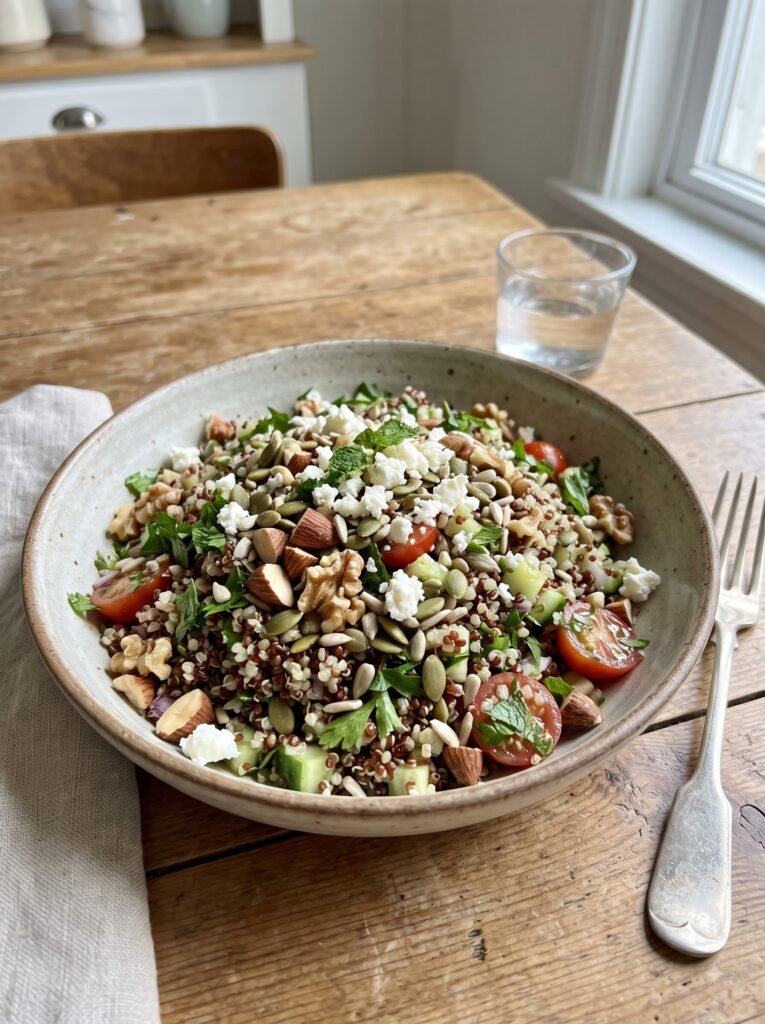
Quinoa is a complete protein and a great base for a make-ahead salad loaded with nuts, seeds, and chopped vegetables — a well-rounded option that goes beyond typical “snack” fare.
Parents love having a big bowl of this in the fridge because it turns into an easy grab-a-scoop snack or side dish across several days.
This works best prepped in a large batch at the start of the week, since quinoa salad actually improves in flavor after a day or two in the fridge.
Quick Tip: Rinse quinoa thoroughly before cooking to remove its natural bitter coating (called saponin) — skipping this step is a common reason people find quinoa’s flavor off-putting.
Add pumpkin seeds and sunflower seeds for an extra boost of zinc and healthy fats, both useful for postpartum nutrition.
22. Malt Beverage or Barley-Based Drink
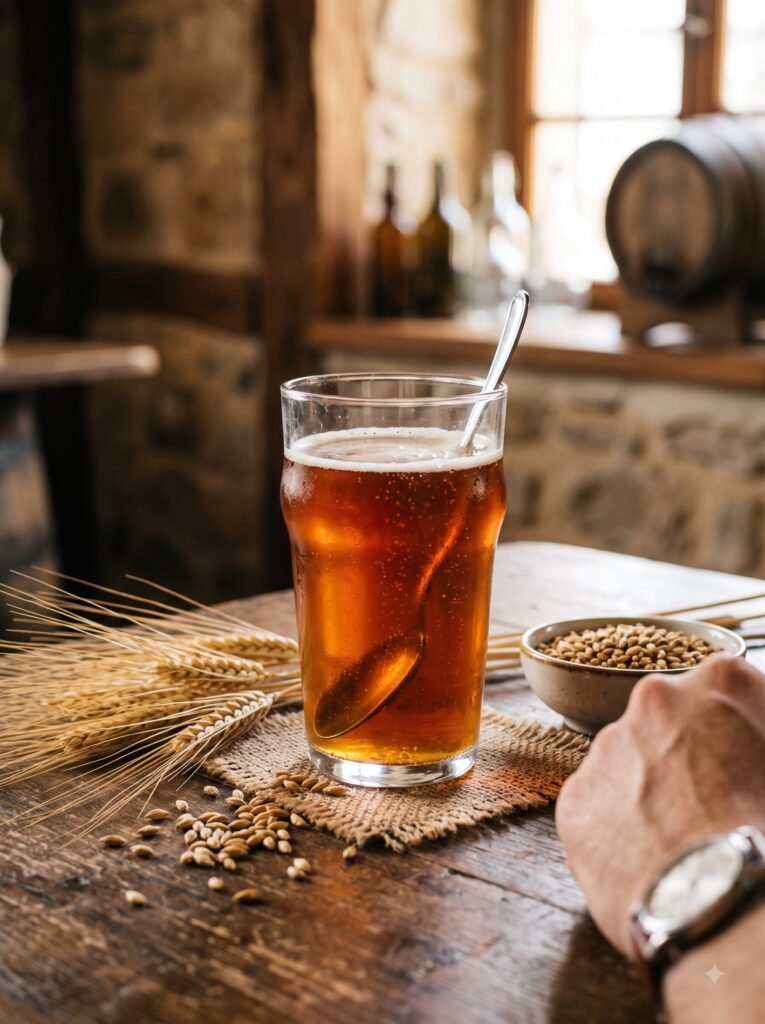
Malted barley drinks have a long traditional history as a lactation-supporting beverage in many cultures, often enjoyed as a slightly sweet, non-alcoholic option.
Moms love the nostalgic, comforting quality of a malt drink, and it’s an easy way to work barley into your routine without needing to cook a full soup or salad.
This works well as an afternoon pick-me-up, particularly for moms who grew up with this tradition in their own families.
Safety Consideration: Double check that any malt beverage you choose is genuinely non-alcoholic, since some malt-based drinks do contain alcohol — always read labels carefully while breastfeeding.
Budget tip: a can of non-alcoholic malt beverage from the international foods aisle is typically inexpensive and widely available.
23. Cottage Cheese with Fruit
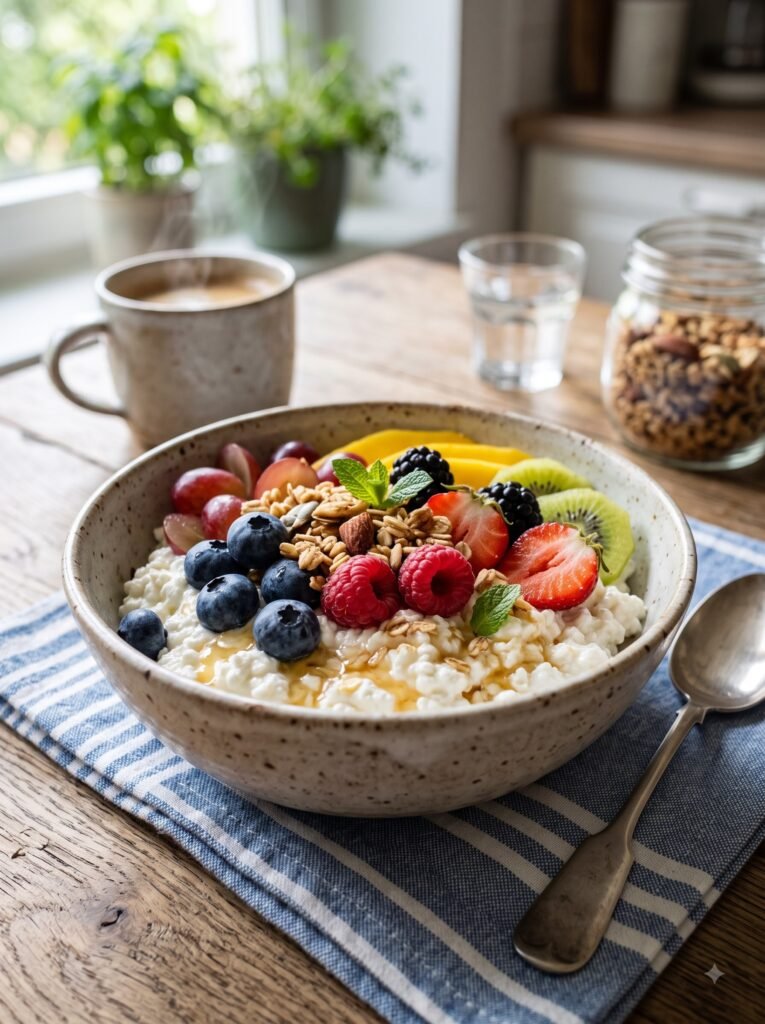
Cottage cheese is high in protein and calcium, and pairing it with fresh fruit like berries or pineapple creates a snack that’s both refreshing and genuinely filling.
Parents love how quickly this comes together — literally just opening a container and slicing some fruit — which matters enormously during the newborn haze.
This works especially well as a mid-morning or late-afternoon snack when protein needs are high but a full meal doesn’t quite fit the schedule.
Pro Tip: Choose full-fat cottage cheese rather than fat-free versions when possible, since the extra calories and fat can help meet the increased energy needs of breastfeeding.
If the texture of cottage cheese isn’t your thing, Greek yogurt is an easy substitute with a similarly high protein content.
24. Almond and Date Energy Balls
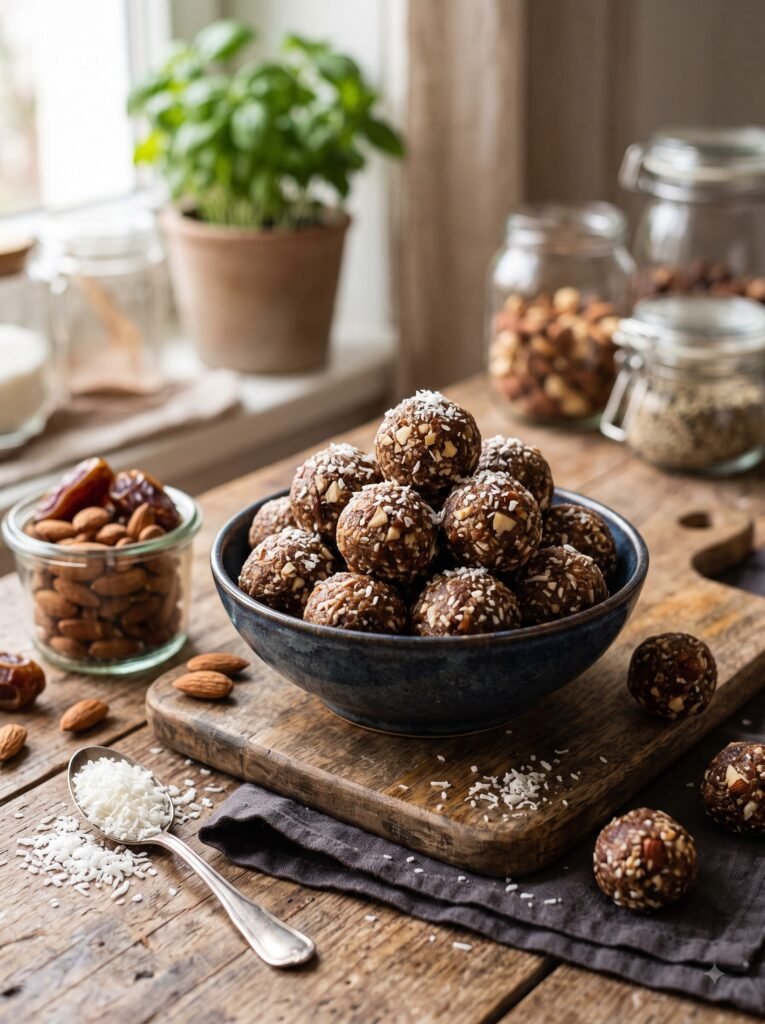
Similar to oatmeal energy bites but built around almonds and dates instead of oats, these no-bake bites deliver healthy fats, fiber, and natural sweetness in a few small bites.
Moms love how naturally sweet dates make these taste without needing any added sugar, which is a nice bonus if you’re trying to moderate sugar intake postpartum.
These work best made in a food processor and rolled into balls, then stored in the fridge or freezer for up to several weeks.
Budget-friendly version: Medjool dates can be pricier, so regular dates soaked briefly in warm water work just as well for blending purposes.
Common Mistake: Using a food processor that’s too small for the batch size often leads to uneven blending — process in smaller batches if your machine struggles to combine everything smoothly.
25. Whole Grain Pasta Salad
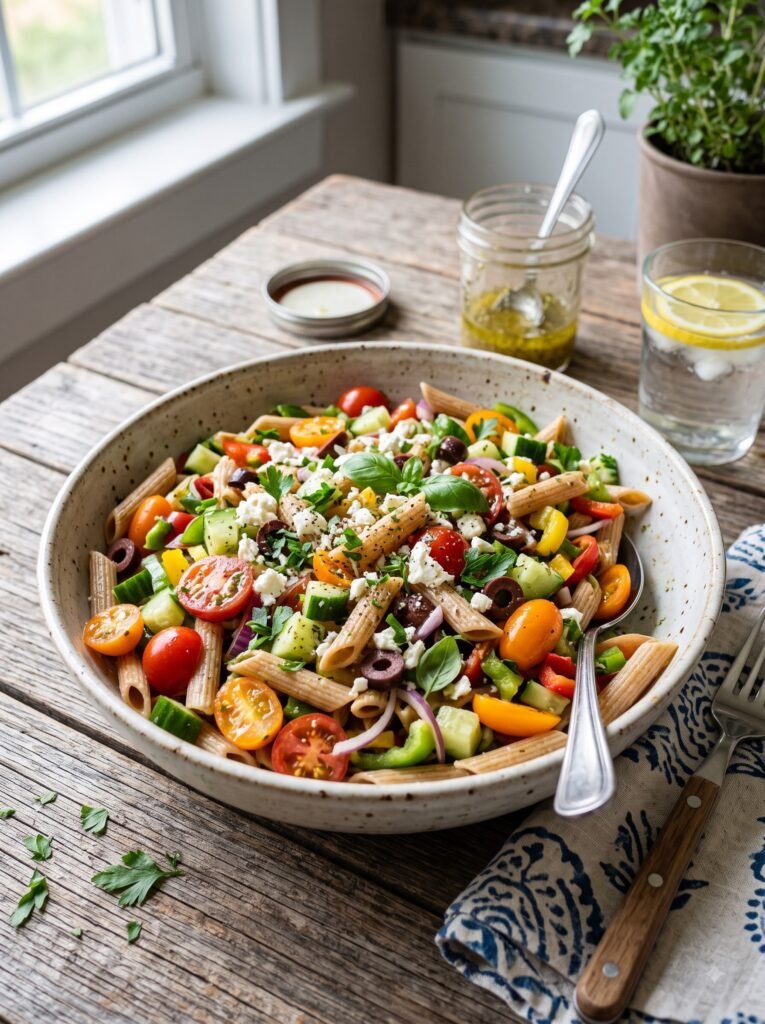
A cold whole grain pasta salad with vegetables, olive oil, and a sprinkle of feta or parmesan is an easy make-ahead dish that doubles as a substantial snack straight from the fridge.
Parents love having a big bowl ready to go because it removes the “what do I eat” decision fatigue that hits hard during the postpartum weeks.
This works well prepped on a Sunday and eaten throughout the week, either cold or lightly reheated depending on preference.
Why You’ll Love It: Whole grain pasta offers more fiber than traditional white pasta, helping keep energy levels steadier rather than causing the blood sugar spikes and crashes that can leave you feeling more tired.
Add chickpeas or shredded chicken for extra protein if you want the salad to feel more like a complete meal than a side snack.
26. Dried Apricots and Walnuts
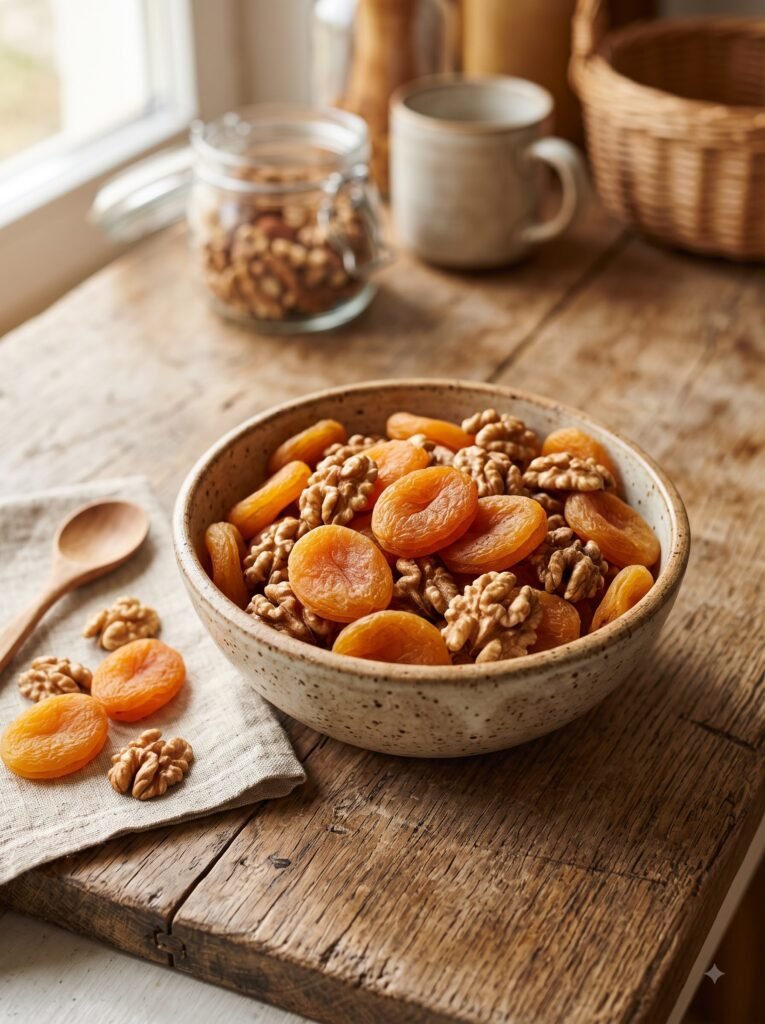
A simple handful of dried apricots paired with walnuts combines natural sweetness with healthy fats and a bit of fiber, all in a snack that requires zero prep whatsoever.
Moms love this pairing for its sheer convenience — it’s the kind of snack you can keep in a bag by the couch, the car, and the nursery all at once.
This works especially well for late-night feeds when you want something satisfying but don’t want to fully wake yourself up making something more involved.
Quick Tip: Choose unsulfured dried apricots when possible, as they tend to have less added sugar and preservatives than some conventional dried fruit options.
Portion into small snack bags in advance so you’re not tempted to mindlessly eat straight from a large bulk bag.
27. Warm Bone Broth
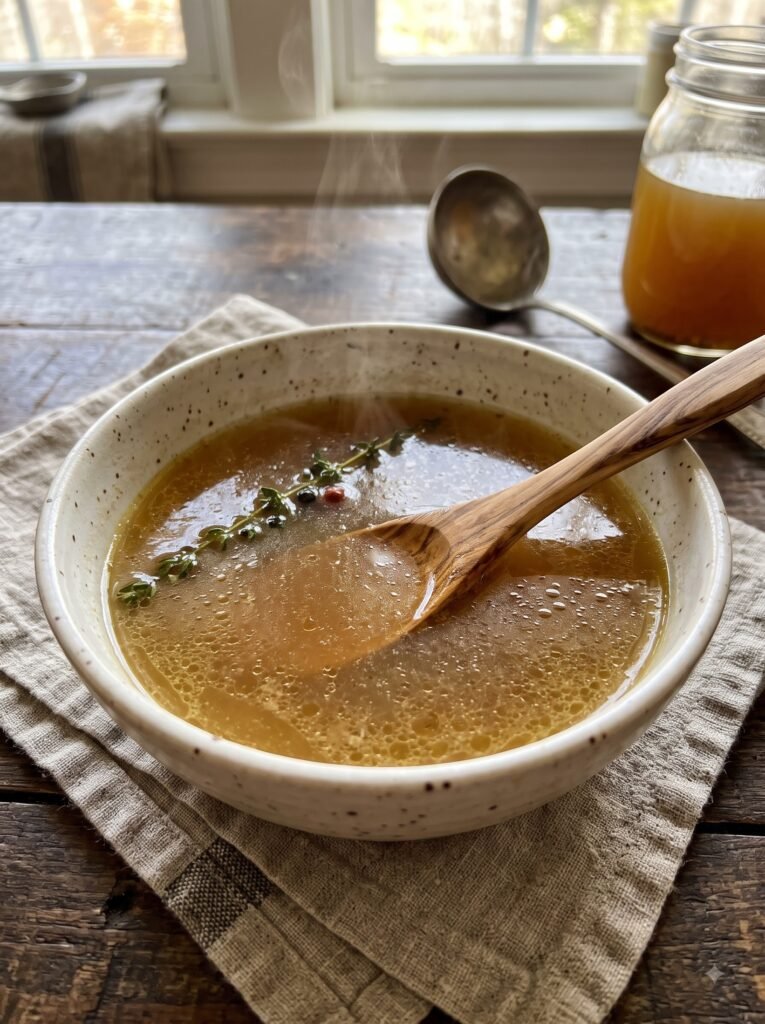
A warm mug of bone broth offers hydration, minerals, and a bit of protein in an easy-to-sip format that feels comforting, especially during colder months or overnight feeds.
Parents love how soothing a warm drink feels during the postpartum recovery period, and many find it easier to get down than a heavier snack in the middle of the night.
This works particularly well kept warm in a thermos by the bed for overnight feeding sessions, so you don’t have to make a trip to the kitchen.
Parent Hack: Pre-make a big batch and freeze it in individual portions, then reheat single servings as needed rather than thawing the whole batch each time.
Store-bought bone broth in cartons is a perfectly reasonable shortcut if homemade broth isn’t realistic during this season of life.
28. Popcorn with Nutritional Yeast
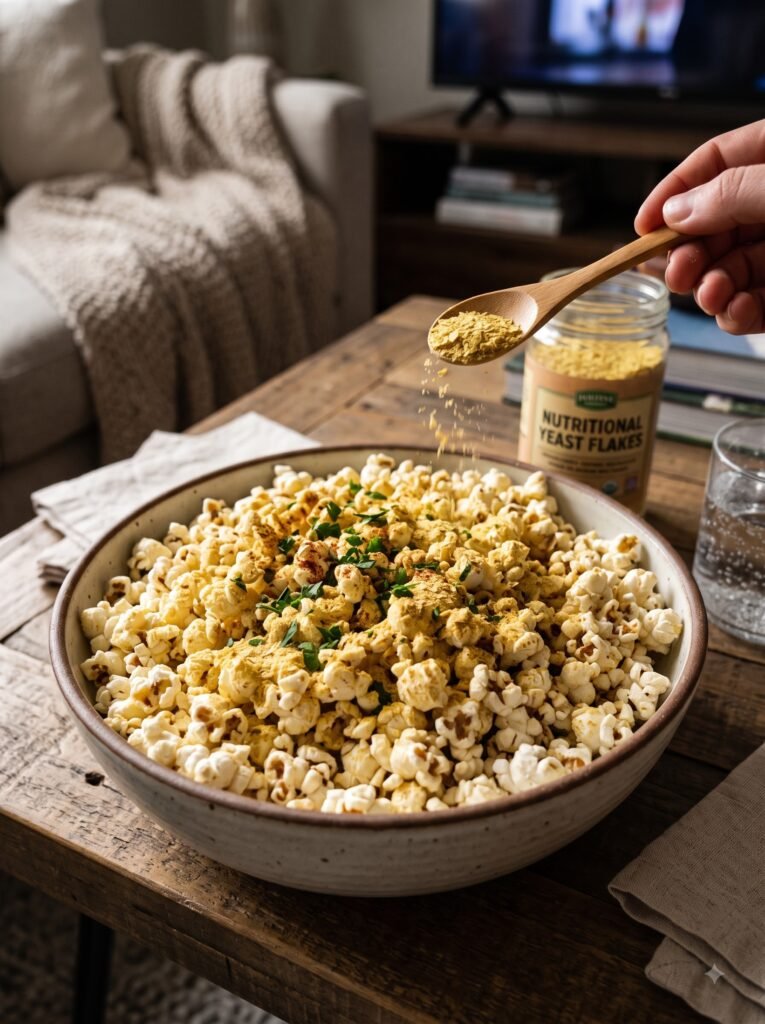
Air-popped popcorn topped with nutritional yeast (not to be confused with brewer’s yeast) delivers a whole grain, fiber-rich snack with a cheesy flavor and none of the guilt.
Moms love popcorn as a lighter, crunchy snack option when they want something to munch on without it being overly heavy or rich.
This works well as an evening snack, particularly during a wind-down TV or nursing session before bed.
Common Mistake: Store-bought microwave popcorn often contains high amounts of added salt, artificial butter flavoring, and sometimes trans fats — air-popping your own kernels is a healthier and often cheaper alternative.
Add a drizzle of olive oil before the nutritional yeast so the seasoning actually sticks to each piece instead of falling to the bottom of the bowl.
29. Apple Slices with Almond Butter
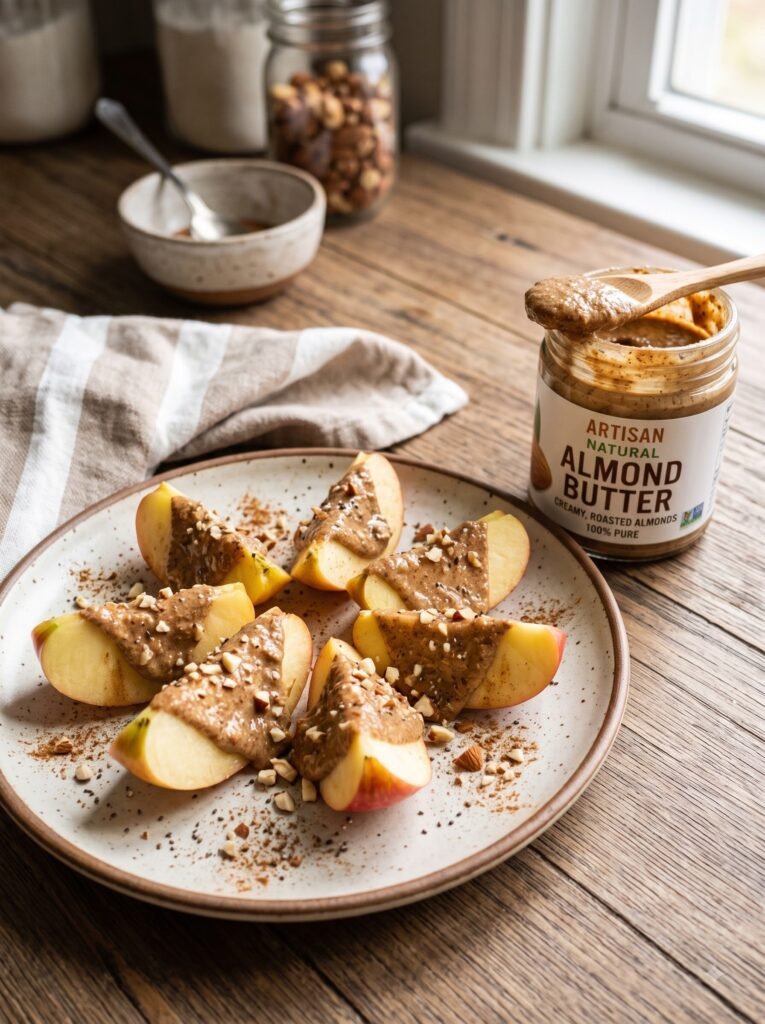
Crisp apple slices paired with a generous scoop of almond butter combine fiber, natural sweetness, and healthy fats in a snack that takes under two minutes to prepare.
Parents love the classic sweet-and-nutty combination, and it’s an easy one to prep the night before by storing sliced apples in water with a squeeze of lemon to prevent browning.
This works well any time of day, and it travels easily in a small container for appointments, errands, or the diaper bag.
Quick Tip: Choose a natural almond butter with minimal added ingredients — just almonds and maybe a pinch of salt — to avoid unnecessary added sugars found in some processed nut butter brands.
If almond allergies are a concern, sunflower seed butter offers a similar creamy texture and works just as well with apple slices.
30. Herbal Lactation Tea Blend

Many brands offer pre-mixed herbal tea blends specifically formulated with traditional galactagogue herbs like fenugreek, fennel, and blessed thistle, offering a convenient all-in-one option.
Moms love the ritual of a warm cup of tea during a feeding session, and pre-mixed blends take the guesswork out of combining individual herbs yourself.
This works especially well as a consistent daily habit — many moms find success drinking a cup once or twice a day alongside their regular eating routine.
Expert Advice: Since these blends combine multiple herbs at once, it’s worth reviewing the ingredient list with your doctor or a lactation consultant, particularly if you’re taking any medications or have underlying health conditions, to make sure everything is a good fit for you.
Budget tip: buying loose herbs in bulk and blending your own tea is typically cheaper per serving than pre-packaged specialty lactation tea boxes.
Frequently Asked Questions
Do lactation cookies actually work to increase milk supply?
Many moms report a noticeable difference, largely thanks to ingredients like oats, flaxseed, and brewer’s yeast, though individual results vary and they work best alongside frequent nursing or pumping.
How much water should I drink while breastfeeding?
A common general guideline is to drink to thirst and aim for roughly extra fluids beyond your normal intake, though your lactation consultant or doctor can offer more personalized guidance based on your needs.
Is fenugreek safe for everyone while breastfeeding?
Not necessarily — fenugreek can interact with certain medications and isn’t suitable for everyone, so it’s best to check with a healthcare provider before adding it regularly, especially if you have diabetes or a legume allergy.
How many extra calories do breastfeeding moms need per day?
Many breastfeeding moms need a few hundred extra calories a day compared to their pre-pregnancy needs, though exact needs vary based on activity level, body size, and whether you’re exclusively breastfeeding.
Can eating oats really help with milk supply?
Oats are one of the most widely recommended galactagogue foods and are rich in iron and fiber, though scientific evidence is still developing — many moms find them a comforting, easy addition regardless.
What snacks are best for late-night feeding sessions?
Shelf-stable, no-prep options like trail mix, dried fruit and nuts, or a thermos of warm bone broth by the bed tend to work best for feeds in the middle of the night.
Are there foods I should avoid while breastfeeding?
Most foods are fine in moderation, though it’s worth watching your baby for any signs of sensitivity to common triggers like dairy or caffeine, and checking current guidance on fish and mercury content.
How long does it take for lactation snacks to make a difference?
There’s no universal timeline, and results vary by person — many moms notice changes within a few days to a couple weeks of consistent eating, frequent nursing, and adequate hydration and rest.
Can I eat too much brewer’s yeast or fenugreek?
Yes, both can cause digestive upset or other side effects in large amounts, so start with small quantities and increase gradually while paying attention to how your body responds.
Is it normal for milk supply to fluctuate day to day?
Yes, supply naturally fluctuates due to factors like stress, sleep, hydration, and baby’s feeding patterns, so don’t panic over one off day — consistency over time matters more than any single snack or session.
Final Thoughts
Whether you gravitate toward classic lactation cookies, a warm mug of fenugreek tea, or simply keeping a bag of trail mix within arm’s reach, the best snacks to increase breastmilk supply are the ones that realistically fit into your day. There’s no single “perfect” food here — it’s about consistently nourishing yourself with a mix of oats, healthy fats, protein, and hydration while your body does the incredible work of feeding your baby.
Pick two or three ideas from this list that sound genuinely appealing rather than trying to do all thirty at once, and build from there. Your body, your baby, and your sanity will all thank you for choosing something sustainable over something perfect.
However you’re feeding your little one — and however this breastfeeding journey looks for your family — know that showing up and nourishing yourself, even imperfectly, is more than enough.