
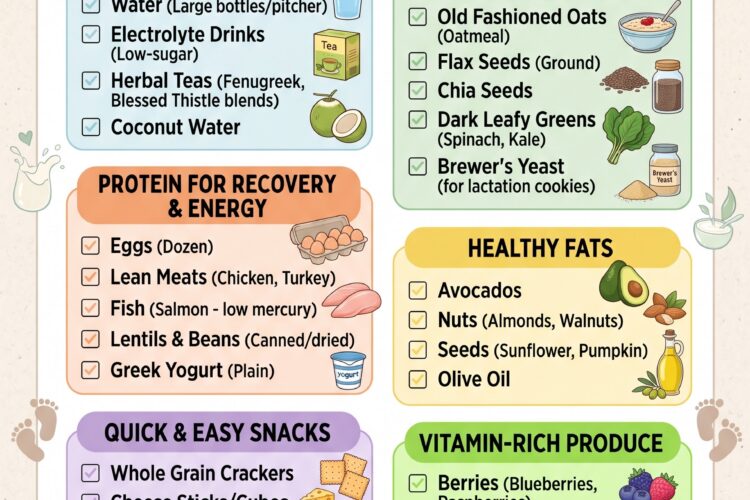
Somewhere between the 2 a.m. feedings and the laundry pile that never shrinks, grocery shopping probably fell way down your priority list — and that’s exactly why you need a plan that does the thinking for you. A well-stocked kitchen can make a genuinely huge difference in how you feel during those early postpartum weeks, both physically and mentally.
This breastfeeding grocery list is built to take the guesswork out of shopping while you’re running on broken sleep and pure determination. It focuses on foods that support energy, hydration, and overall wellbeing during breastfeeding, along with a few practical non-food essentials that make feeding sessions easier.
Below you’ll find 40 items and categories to stock up on, organized so you can screenshot this list and take it straight to the store (or add it to your cart online while nursing one-handed). Let’s fill that fridge.
1. Oats
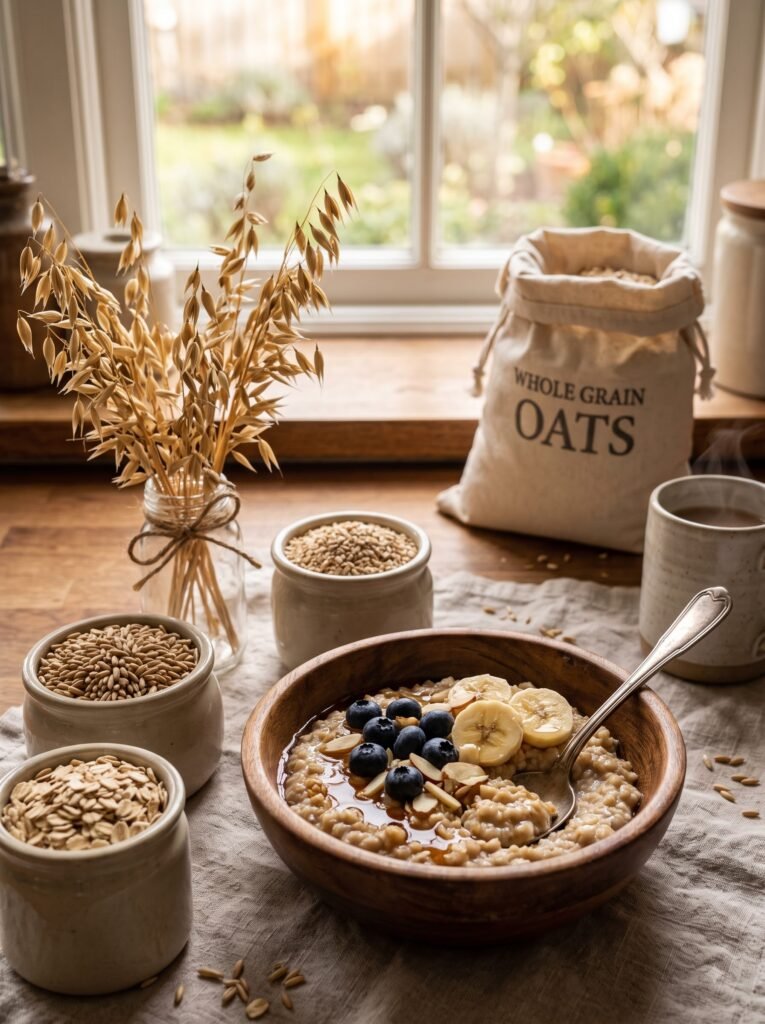
Oats are a breastfeeding pantry staple for good reason — they’re filling, easy to prepare, and endlessly versatile for busy mornings.
Parents love this one because a bowl of oatmeal can be made in under five minutes, even one-handed while nursing on the couch. It works best as a grab-and-go breakfast or a late-night snack when hunger strikes during a feeding session.
Buy the plain rolled or steel-cut variety and dress it up yourself with fruit, nut butter, or a drizzle of honey rather than paying more for flavored packets loaded with added sugar. A big canister lasts weeks and costs just a few dollars.
Common Mistake: Only keeping instant flavored packets on hand — they’re convenient but often less filling and pricier per serving.
Quick Tip: Batch-cook a big pot of oats on Sunday and reheat portions all week.
2. Eggs
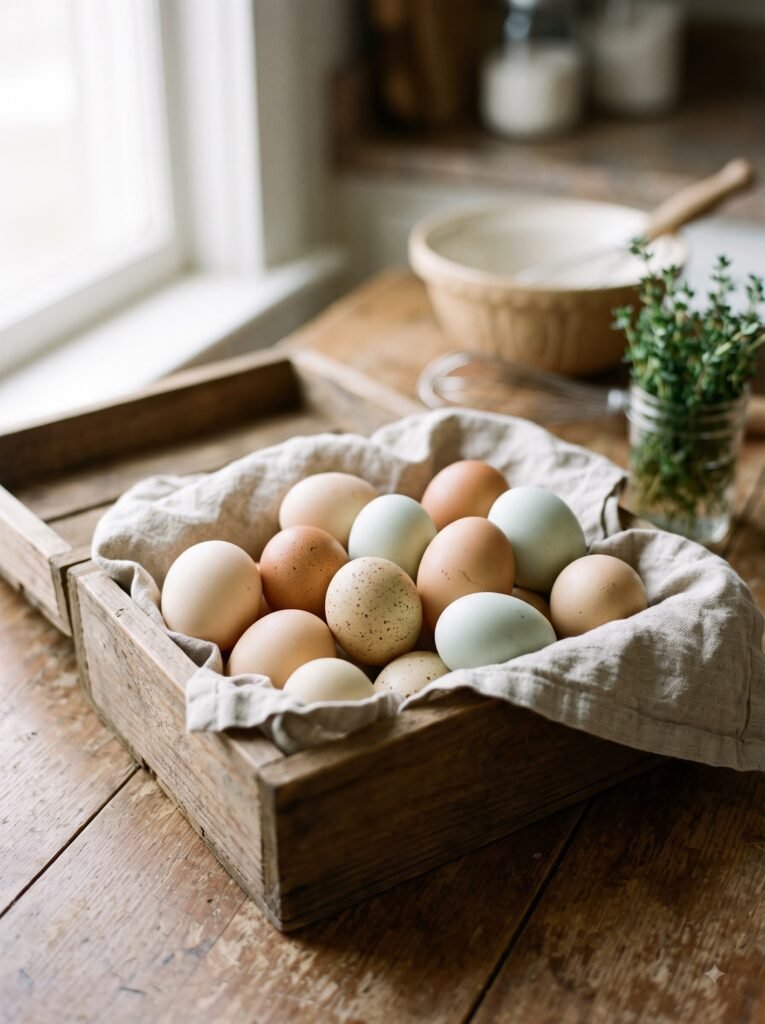
Eggs are quick to cook, endlessly adaptable, and a reliable go-to when you need something fast between feedings.
New moms appreciate eggs because they can be scrambled, boiled, or fried in just a few minutes flat. They work well any time of day — breakfast, lunch, or a quick protein-packed snack.
Hard-boil a batch at the start of the week so they’re ready to grab straight from the fridge. If fresh eggs feel like too much effort some days, a carton of liquid egg whites can save even more time.
Why You’ll Love It: They require almost zero cleanup, which matters more than you’d think right now.
3. Greek Yogurt
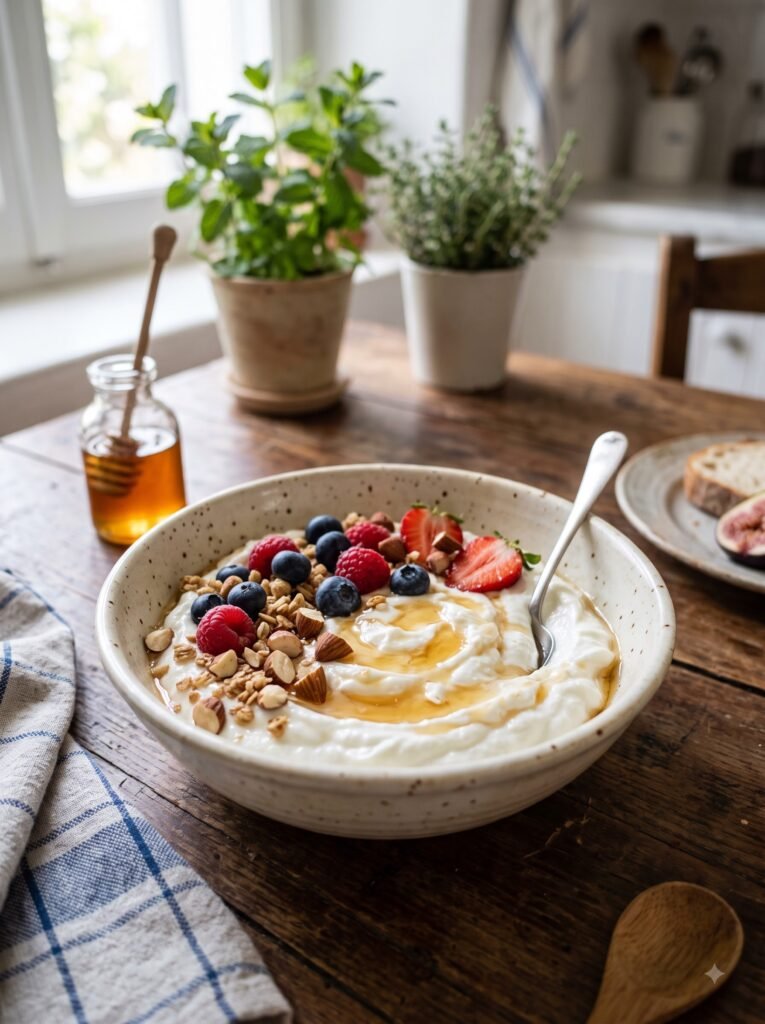
Greek yogurt is thick, satisfying, and doubles as a snack or a quick meal base with minimal effort.
Parents love it because it requires zero cooking and can be eaten straight from the container during a late-night feed. It works especially well as an afternoon pick-me-up when energy starts to dip.
Buy the plain, unsweetened version and add your own fruit or honey to control sugar levels and cost. Individual cups are convenient but cost more per ounce than a large tub.
Pro Tip: Keep a bag of frozen berries on hand to stir in for extra flavor without needing fresh produce that spoils quickly.
4. Whole Grain Bread
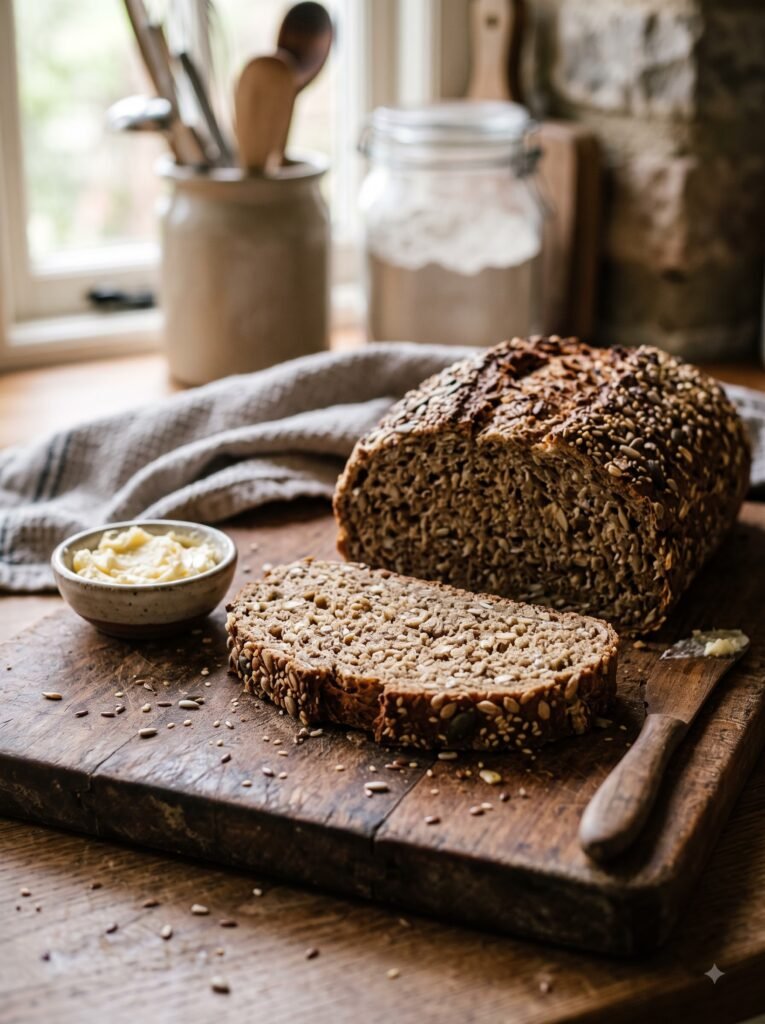
A loaf of whole grain bread is one of those quiet kitchen heroes that makes assembling a meal almost effortless.
It’s beloved because toast, sandwiches, and quick snacks all come together in minutes flat. It works well for breakfast, lunch, or a simple side to soup.
Look for a loaf with visible whole grains or seeds for extra staying power between meals. Freezing half the loaf keeps it fresh longer if you won’t finish it within a week.
Common Mistake: Buying bread labeled “wheat” without checking that whole grain is actually the first ingredient — it’s often more marketing than substance.
5. Nut Butter (Peanut, Almond, or Sunflower Seed)
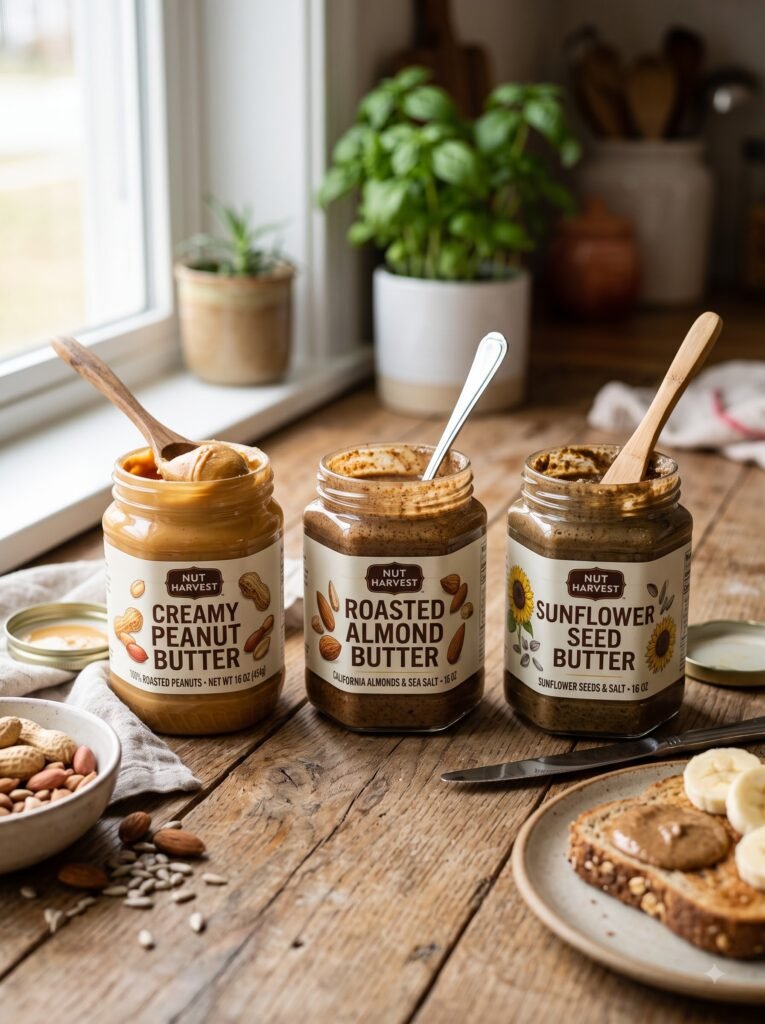
A jar of nut butter is endlessly useful — spread it on toast, stir it into oats, or eat it straight off a spoon during a rushed moment.
Parents love nut butter because it’s satisfying, shelf-stable, and doesn’t require refrigeration until opened. It works especially well as a quick bite when you’re stuck under a sleeping baby with no free hands.
If nut allergies are a household concern, sunflower seed butter is a solid substitute with a similar texture. Buy the natural variety with minimal added sugar and oil for the best value.
Quick Tip: Keep a jar both at home and in your diaper bag for emergencies.
6. Bananas

Bananas are the ultimate grab-and-go snack — no prep, no cleanup, just peel and eat.
They’re a favorite among new parents because they travel well and don’t need refrigeration, making them perfect for pediatrician visits or long feeding sessions away from the kitchen. They work well any time hunger hits suddenly.
Buy a bunch at varying ripeness so you always have one ready to eat over several days. Overripe bananas can be frozen for smoothies instead of tossed out.
Why You’ll Love It: It’s the easiest snack in this entire list to prep — because there’s no prep at all.
7. Berries (Fresh or Frozen)
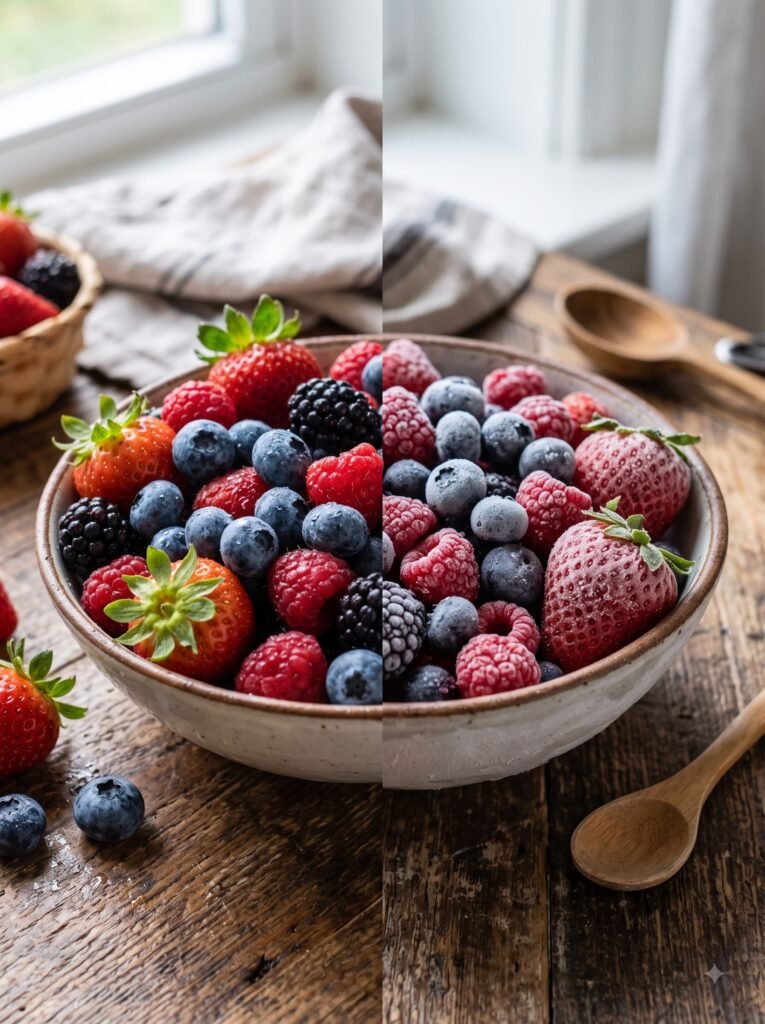
Berries add a burst of flavor to yogurt, oatmeal, or a quick smoothie without much effort at all.
Parents appreciate berries because they satisfy a sweet craving in a way that still feels like a genuinely nourishing choice. They work best as toppings, snacks, or blended into drinks.
Frozen berries are just as good as fresh and often far cheaper, plus they last months longer in the freezer. Buy fresh only if you know you’ll eat them within a few days.
Pro Tip: Keep a bag of frozen mixed berries on hand at all times — they’re a five-second addition to almost anything.
8. Leafy Greens (Spinach or Kale)
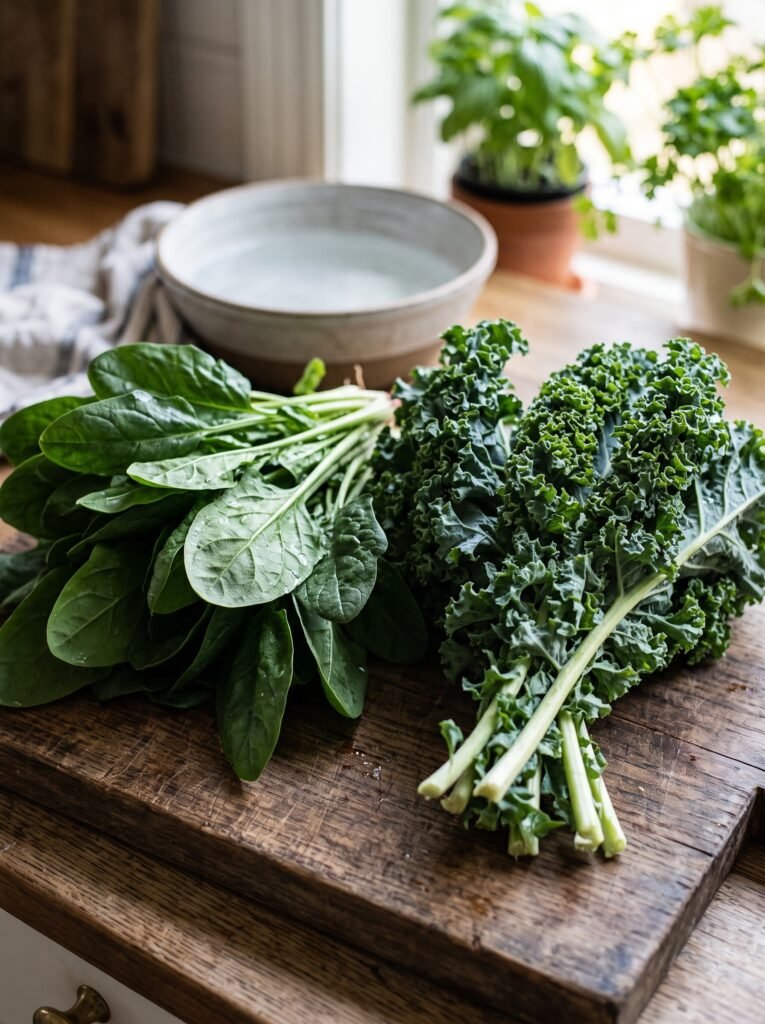
A bag of pre-washed leafy greens makes it easy to sneak extra nutrients into meals without much extra effort.
They’re loved because they blend seamlessly into smoothies, sandwiches, or a quick sauté as a side dish. They work well any time you want to round out a meal quickly.
Buy pre-washed bagged greens to skip the prep step entirely on low-energy days. Frozen spinach is a great budget swap for smoothies since it blends just as well.
Common Mistake: Buying a large bunch of fresh greens that wilts before you get around to using it — bagged or frozen versions solve this.
9. Sweet Potatoes
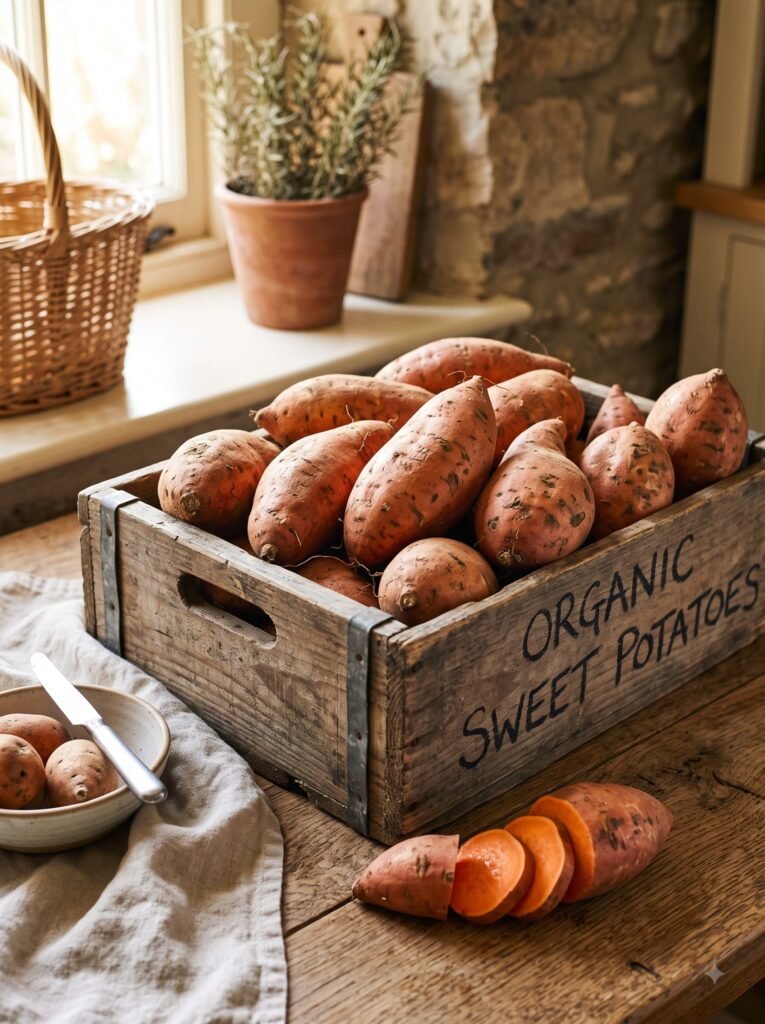
Sweet potatoes are filling, naturally sweet, and simple to prepare in bulk for the week ahead.
Parents love them because a batch roasted on a Sunday can be reheated for days as a quick side or snack. They work especially well as a comforting dinner addition when you’re too tired to plan a full meal.
Microwave a whole sweet potato in under 10 minutes if you’re short on time — poke a few holes first and cook until soft. Buying them in a bag rather than individually usually saves money.
Quick Tip: Roast a full tray at once so leftovers carry you through several meals.
10. Brown Rice or Quinoa
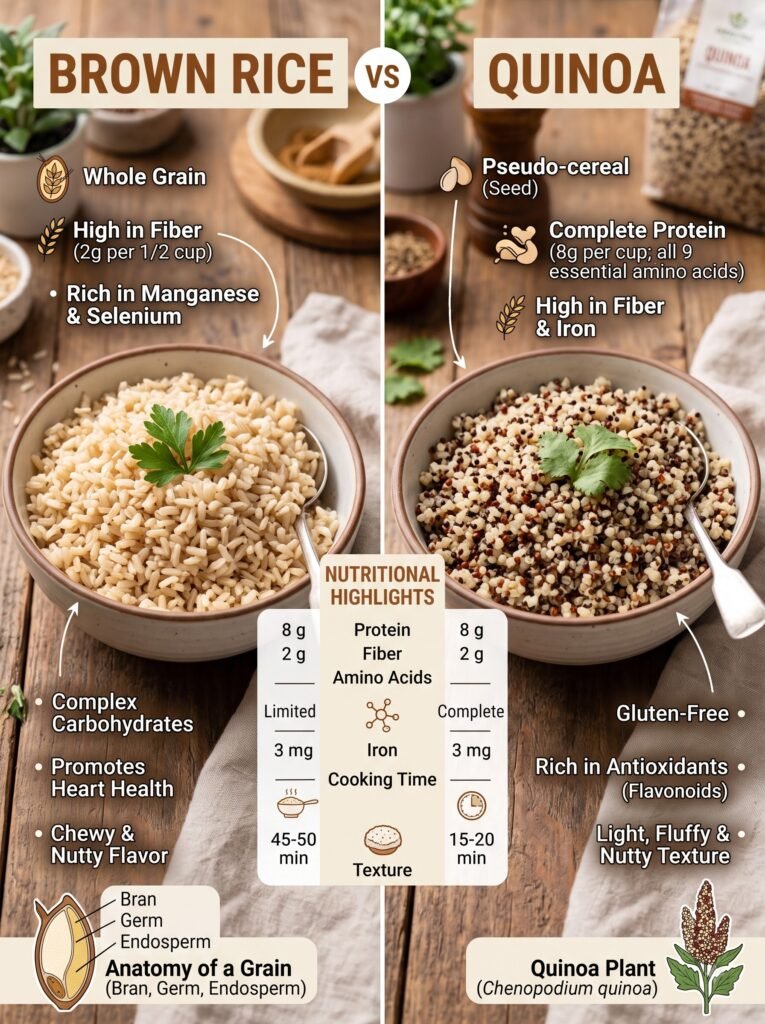
A bag of brown rice or quinoa is a pantry workhorse that rounds out almost any meal with minimal effort.
It’s a favorite because it can be batch-cooked and stored for days, then reheated as a base for whatever’s in the fridge. It works well for lunches, dinners, or meal-prepped bowls.
Instant or microwaveable pouches cost more but save precious time on exhausted days. Cooking a big pot from a bulk bag is the more budget-friendly route if you have a spare 20 minutes.
Pro Tip: Freeze cooked rice in portioned bags for instant future meals.
11. Canned Beans and Lentils
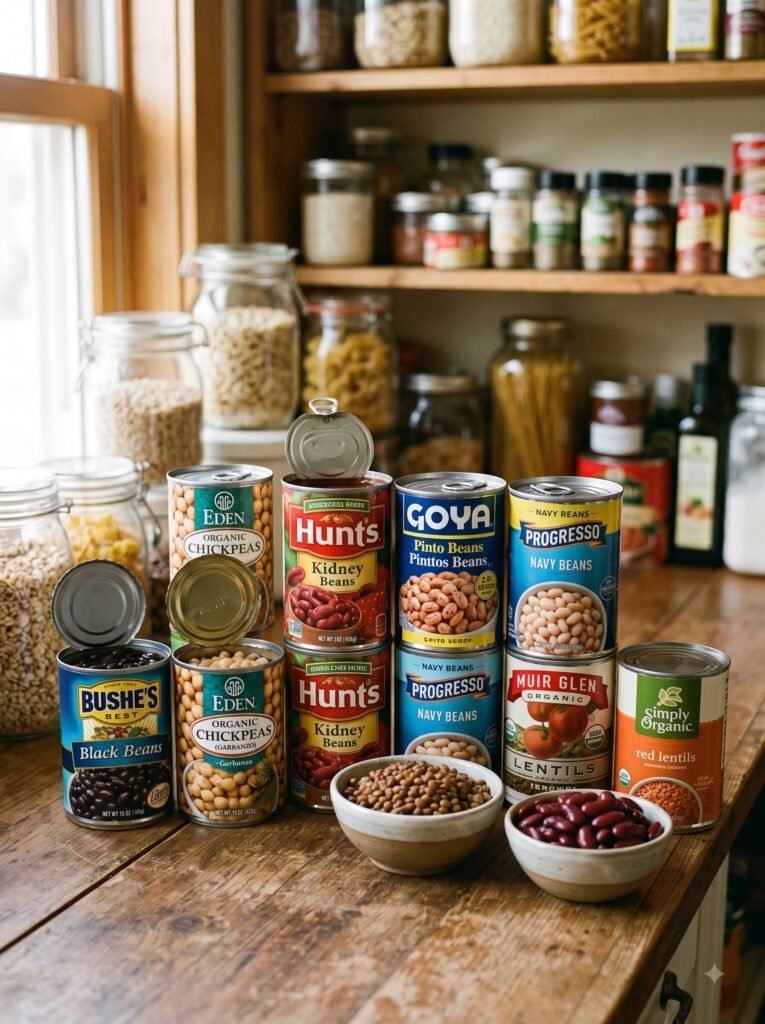
Canned beans are a pantry essential that turn into a real meal with almost no active cooking time.
Parents appreciate them because they’re shelf-stable, inexpensive, and require just a quick rinse before use. They work well tossed into soups, salads, rice bowls, or eaten warmed as a simple side.
Buy the low-sodium version when possible and rinse well to reduce sodium further. Dried beans are cheaper still but require far more time, so canned is the practical choice for now.
Common Mistake: Forgetting to rinse canned beans, which leaves behind excess sodium and a slightly metallic taste.
12. Chicken Breast or Thighs

A pack of chicken is one of the most flexible proteins to keep stocked, whether grilled, baked, or shredded into other dishes.
It’s beloved because a single batch-cooked tray can be repurposed into several different meals throughout the week. It works especially well for lunches, dinners, or quick protein additions to salads and wraps.
Buy in bulk and freeze individual portions to avoid waste and save money over time. A rotisserie chicken from the store is a fantastic shortcut on days when cooking feels impossible.
Quick Tip: Shred a whole batch at once for effortless additions to soups, wraps, and rice bowls all week.
13. Salmon or Canned Tuna
Fish is a smart addition to a breastfeeding grocery list for its protein content and ease of preparation.
Parents like canned tuna especially because it requires zero cooking — just open, drain, and eat. Fresh or frozen salmon works well for a slightly more effortful dinner when energy allows.
Choose canned light tuna over albacore more often, since it’s generally recommended more frequently due to lower mercury levels — check current guidance for specifics. Frozen salmon fillets are a budget-friendly alternative to fresh.
Expert Advice: If you have questions about safe seafood choices and portion frequency while breastfeeding, your doctor or a lactation consultant can offer personalized guidance.
14. Cottage Cheese
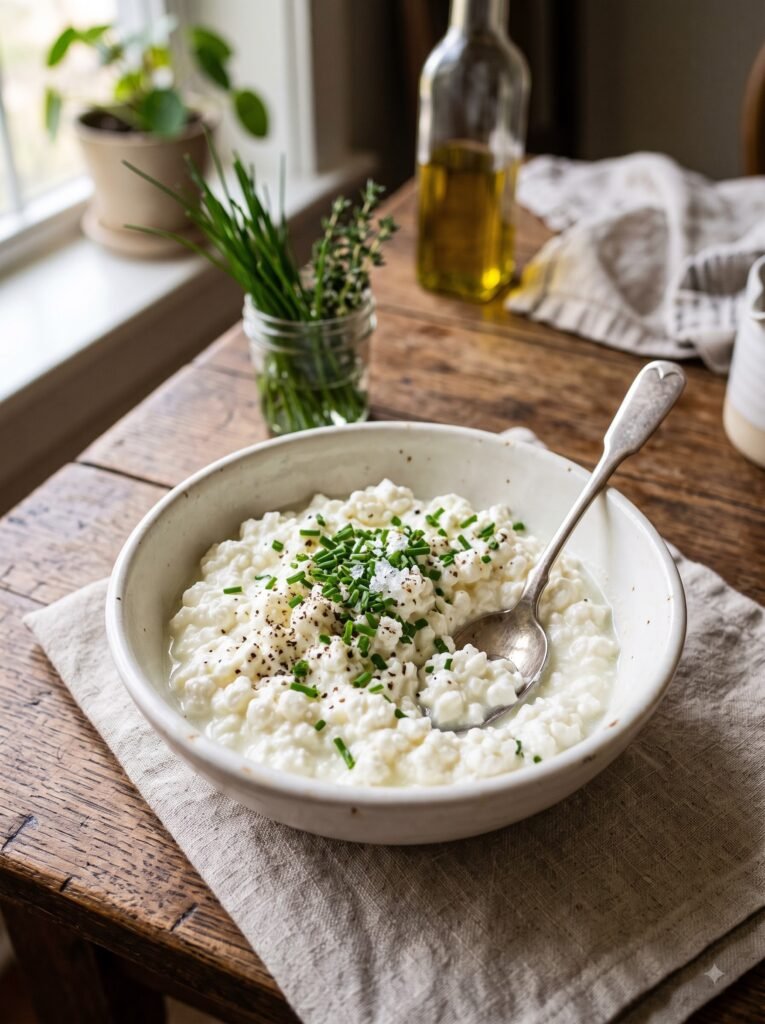
Cottage cheese is an underrated, satisfying snack that works well on its own or dressed up with fruit.
New parents love it because it’s ready to eat straight from the container with no prep required. It works well as a quick breakfast, snack, or light lunch addition.
Buy the small individual cups for grab-and-go convenience, or a larger tub if you go through it quickly. Pair it with fruit or a drizzle of honey for extra flavor.
Why You’ll Love It: It’s high in protein and ready in literally zero seconds.
15. Cheese (Block or String)
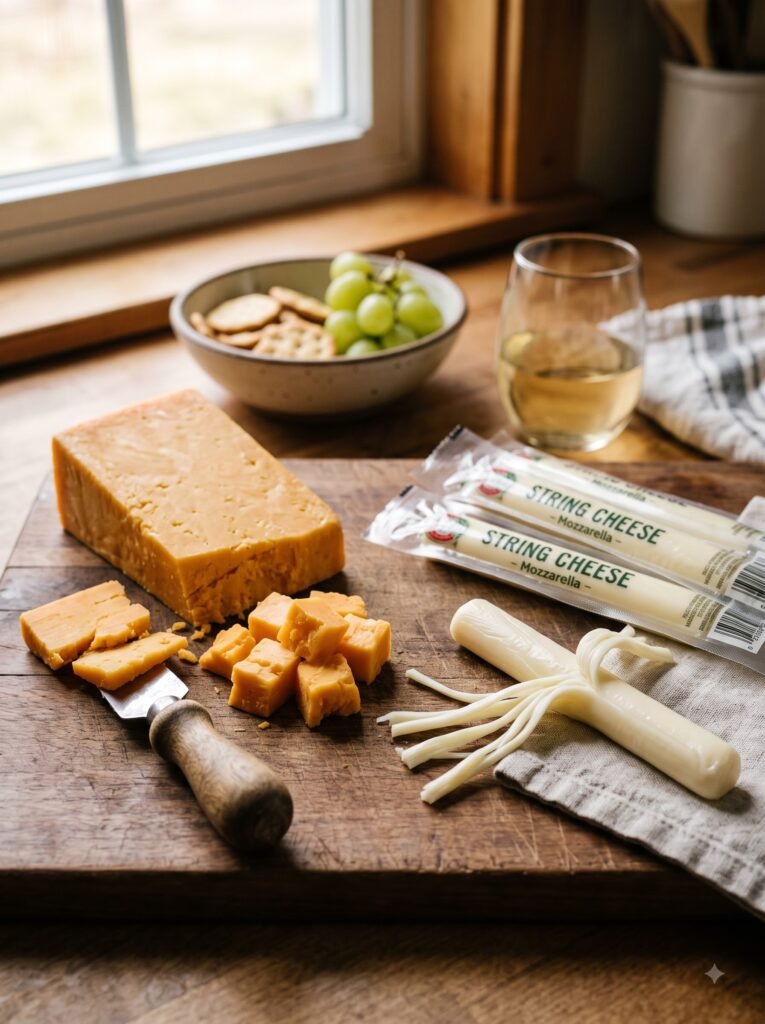
A stash of cheese is a simple, satisfying snack that requires no preparation and travels well.
Parents appreciate string cheese in particular because it’s mess-free and perfectly portioned for a quick bite between feedings. It works well any time of day, especially paired with crackers or fruit.
Buy block cheese and slice it yourself for better value than pre-sliced or string versions. Keep a stash in the diaper bag for outings too.
Quick Tip: Pair cheese with whole grain crackers for a more filling snack combo.
16. Hummus
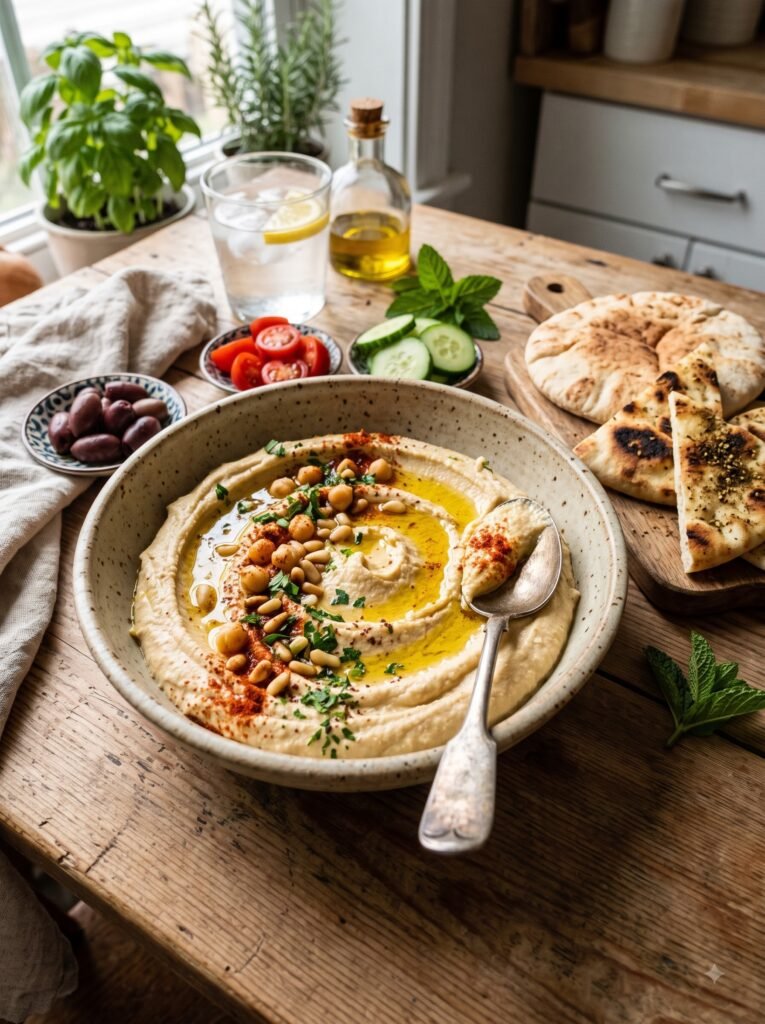
Hummus is a creamy, satisfying dip that pairs well with almost anything in your fridge.
It’s loved because it turns plain vegetables or crackers into a much more satisfying snack in seconds. It works especially well as an afternoon snack or a light addition to a lunch plate.
Buy a large tub if you go through it quickly, since it’s typically cheaper per ounce than small single-serve containers. Homemade hummus is a budget option if you have a food processor and a few extra minutes.
Pro Tip: Keep pre-cut veggies on hand so hummus becomes a truly no-prep snack.
17. Baby Carrots and Pre-Cut Veggies
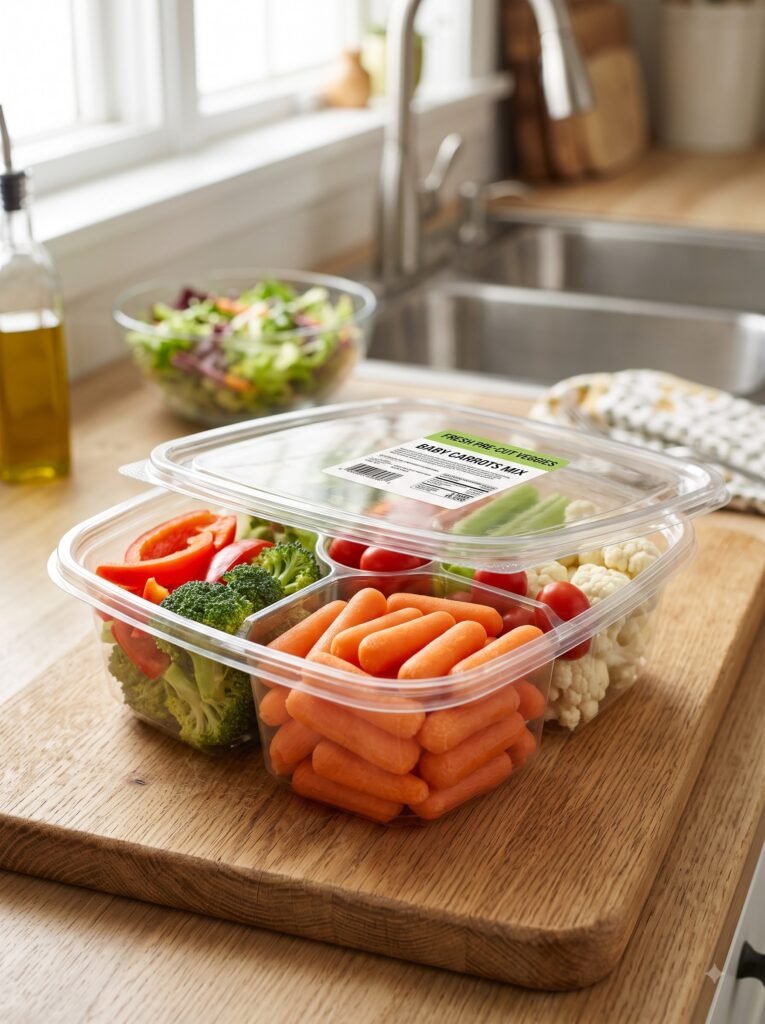
Pre-cut, ready-to-eat vegetables remove the single biggest barrier to eating well on busy days: prep time.
Parents love this category because there’s no chopping required — just open the bag and snack. They work well paired with hummus, ranch, or eaten plain during a feeding session.
Buy a variety pack with carrots, celery, and bell peppers for more variety without extra effort. Whole vegetables are cheaper if you have time to chop, but pre-cut is worth the price during the newborn haze.
Common Mistake: Buying vegetables with good intentions but no plan, letting them wilt in the crisper drawer unused.
18. Avocados
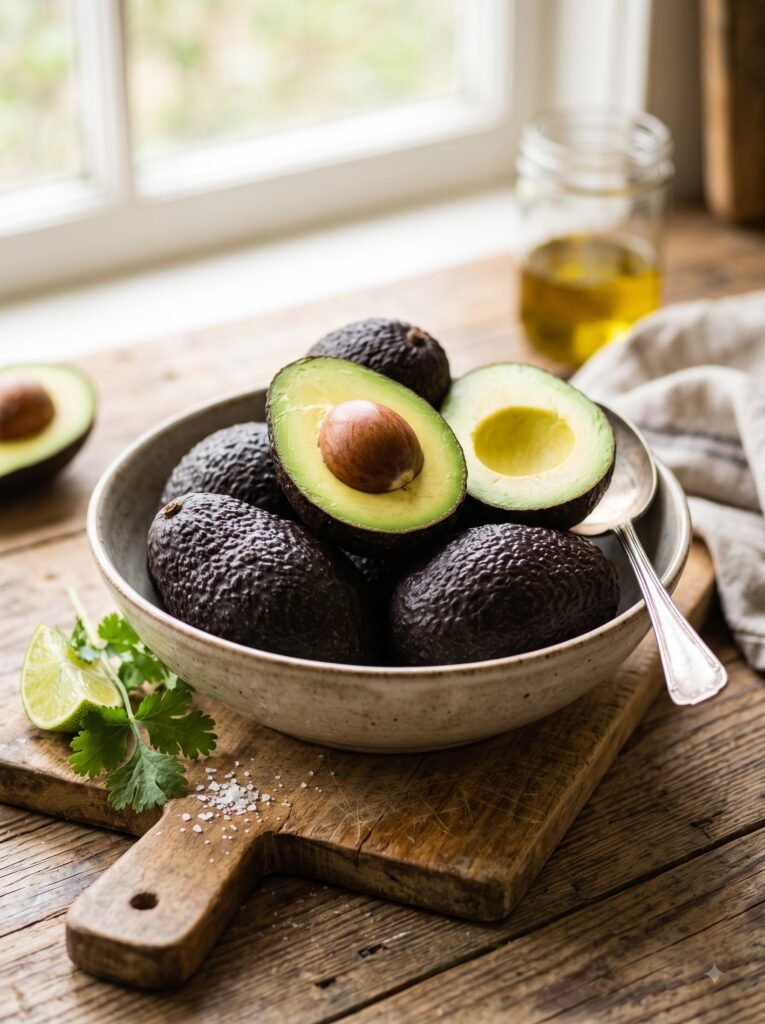
Avocados are creamy, filling, and pair well with just about everything from toast to eggs to salads.
They’re a favorite because they add satisfying texture and flavor to simple meals without much effort. They work best mashed on toast for a quick breakfast or sliced into a lunch salad.
Buy a mix of ripe and unripe avocados so you always have one ready over several days. If a fresh avocado feels too fussy, frozen avocado halves are a low-effort alternative.
Quick Tip: A ripe avocado mashed onto toast with a pinch of salt takes under two minutes.
19. Whole Milk or Fortified Plant Milk
A carton of milk is a kitchen staple that supports both quick snacks and full meals throughout the week.
Parents appreciate having milk on hand because it rounds out cereal, coffee, smoothies, and baking in an instant. It works well any time of day, especially stirred into oats or a warm drink before bed.
Choose a fortified plant-based option if you’re dairy-free, checking the label for added calcium and vitamin D. Buying the larger carton size is typically more economical if your household goes through it quickly.
Pro Tip: A warm glass of milk before a nighttime feeding can be a small, comforting ritual.
20. Herbal Teas (Lactation-Friendly Varieties)

Many breastfeeding parents enjoy warm herbal teas as a comforting ritual during quiet nursing sessions.
They’re loved because the routine of making tea can double as a small moment of calm in an otherwise chaotic day. They work especially well during late-night or early-morning feeds.
Look for caffeine-free varieties if you’re mindful of intake, and always check ingredient labels carefully. Store-brand herbal tea works just as well as pricier specialty lactation tea blends.
Expert Advice: Talk to a lactation consultant or your doctor before relying on any herbal product marketed specifically for milk supply, since effectiveness and safety can vary.
21. Granola or Protein Bars
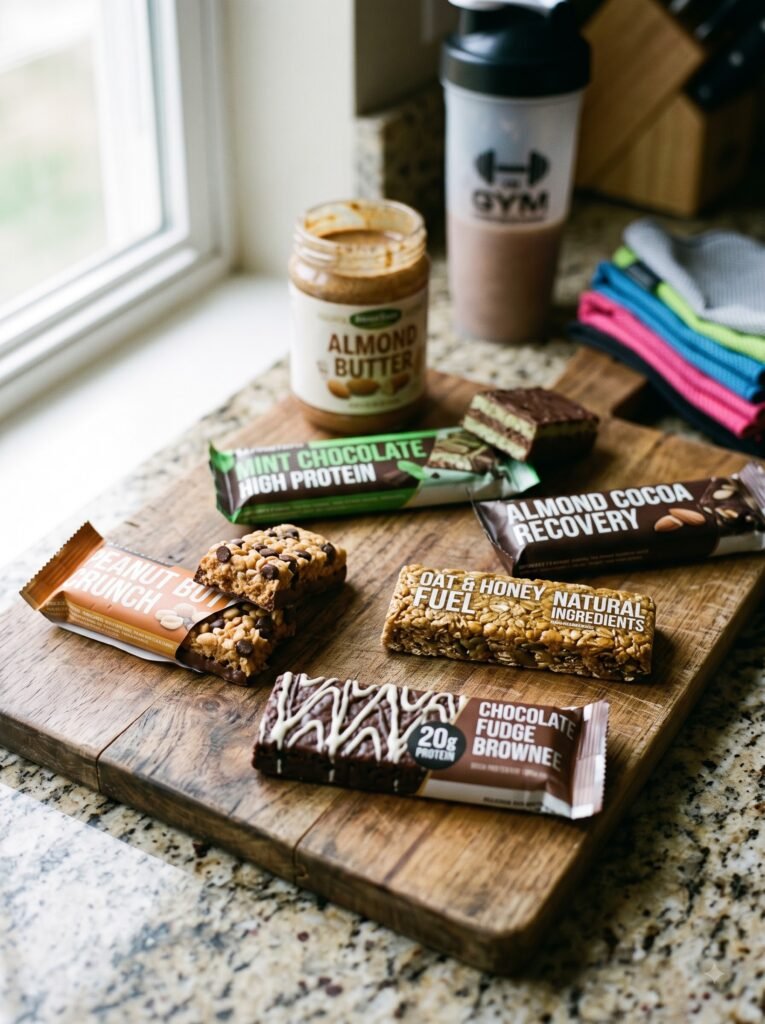
A box of granola or protein bars is the ultimate emergency snack for moments when you truly cannot step away.
Parents love them because they’re portable, mess-free, and can be eaten one-handed during a feeding session. They work well stashed in a nightstand, diaper bag, or nursing station.
Check labels and choose bars with less added sugar and more fiber or protein for lasting energy. Buying a variety box keeps snack time from feeling repetitive.
Common Mistake: Grabbing whatever’s cheapest without checking the sugar content, which can lead to an energy crash later.
22. Trail Mix or Mixed Nuts
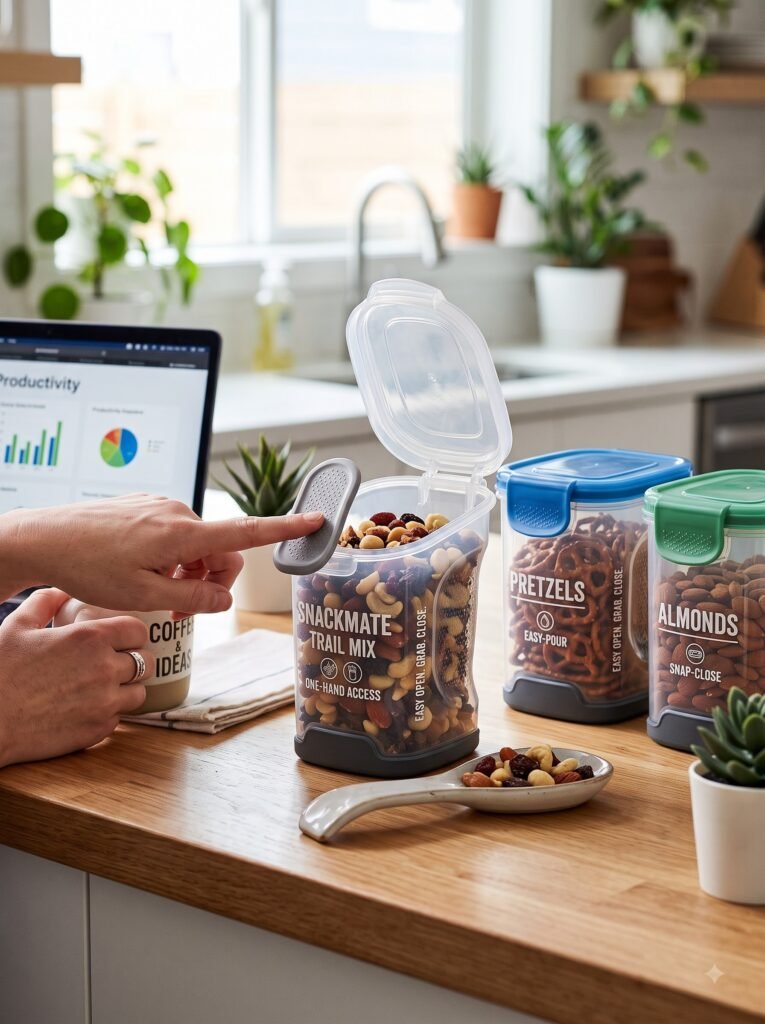
A bag of trail mix or mixed nuts is a compact, energy-dense snack that’s easy to keep within arm’s reach.
It’s a favorite because a small handful goes a long way in curbing hunger during a long nursing session. It works well anywhere — nightstand, diaper bag, car, or couch cushion stash.
Buy raw or lightly salted nuts rather than heavily flavored varieties to keep sodium and sugar in check. Making your own mix from bulk bins is often cheaper than pre-packaged versions.
Quick Tip: Portion it into small bags in advance so you’re not tempted to eat straight from a giant bulk container.
23. Popcorn

Popcorn is a satisfying, whole-grain snack that feels indulgent without requiring much effort at all.
Parents like it because it’s filling for relatively few calories and comes together in minutes with a microwave bag or air popper. It works well as an evening snack while relaxing after bedtime.
Choose lightly salted or plain varieties over heavily buttered ones for a better everyday option. Air-popped kernels in bulk are the most budget-friendly route if you have a popper.
Pro Tip: Keep a shaker of nutritional yeast or seasoning nearby to change up the flavor without added calories.
24. Dried Fruit
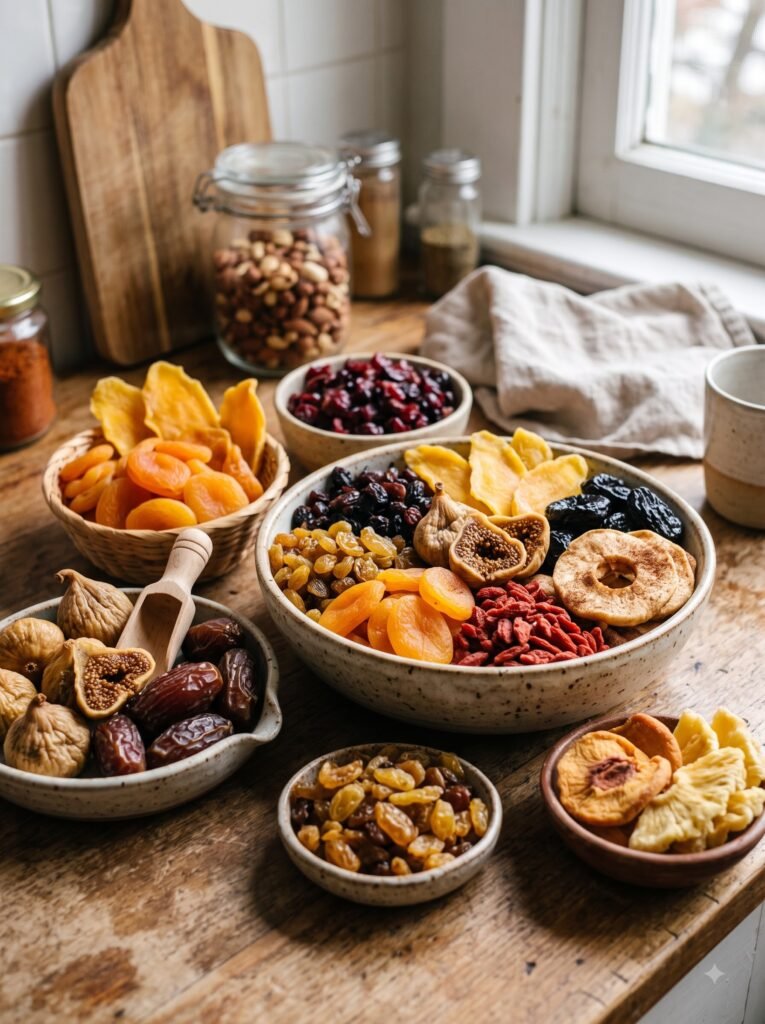
Dried fruit offers a naturally sweet, shelf-stable snack option that satisfies cravings without much fuss.
It’s beloved because a small handful travels well and doesn’t spoil the way fresh fruit can. It works especially well mixed into oatmeal, yogurt, or trail mix.
Look for varieties without added sugar, since some dried fruits are coated more than you’d expect. Buying in bulk bins rather than small packaged bags often saves money.
Common Mistake: Overeating dried fruit without realizing how much natural sugar is concentrated in a small serving — pair it with protein to balance things out.
25. Water Bottles (Large, Reusable)

A large reusable water bottle might be the single most important item on this entire list, since staying hydrated is a daily priority while breastfeeding.
Parents swear by this one because it’s easy to forget to drink water during a busy day with a newborn, and having a big bottle nearby removes that mental load. It works best kept at your usual nursing spot, refilled and ready.
Choose a bottle with time markers or a wide mouth for easy refilling one-handed. A pitcher of water in the fridge is a free alternative if you’d rather not buy a specialty bottle.
Why You’ll Love It: Having water always within reach means you’re far more likely to actually drink enough.
26. Electrolyte Drink Mixes or Tablets
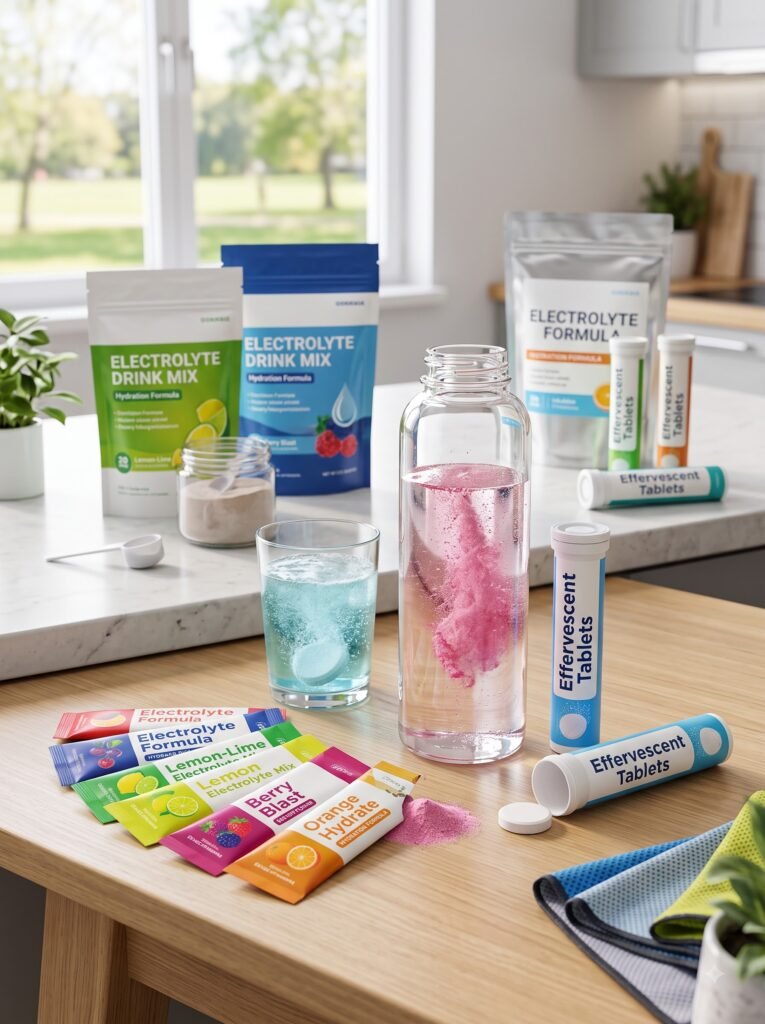
Electrolyte drinks can be a helpful addition on days when plain water alone doesn’t feel like enough, especially in hot weather or after a rough night.
Parents appreciate having a stash on hand for days when hydration feels harder to keep up with. They work well any time, though especially during warmer months or particularly demanding feeding stretches.
Choose low-sugar options and check ingredient labels for anything you’d rather avoid. A pinch of salt and a splash of juice in water is a free homemade alternative in a pinch.
Expert Advice: If you’re feeling persistently dehydrated, fatigued, or unwell, check in with your doctor rather than relying solely on supplements.
27. Coconut Water

Coconut water is a naturally hydrating drink that many breastfeeding parents enjoy as a refreshing change from plain water.
It’s a favorite because it feels like a small treat while still supporting hydration goals. It works especially well chilled on a hot afternoon or after a long feeding session.
Buy the unsweetened variety to avoid unnecessary added sugar. Buying a multi-pack case is typically cheaper than single bottles purchased individually.
Quick Tip: Keep a few bottles chilled at all times so it’s ready whenever the craving hits.
28. Frozen Vegetables
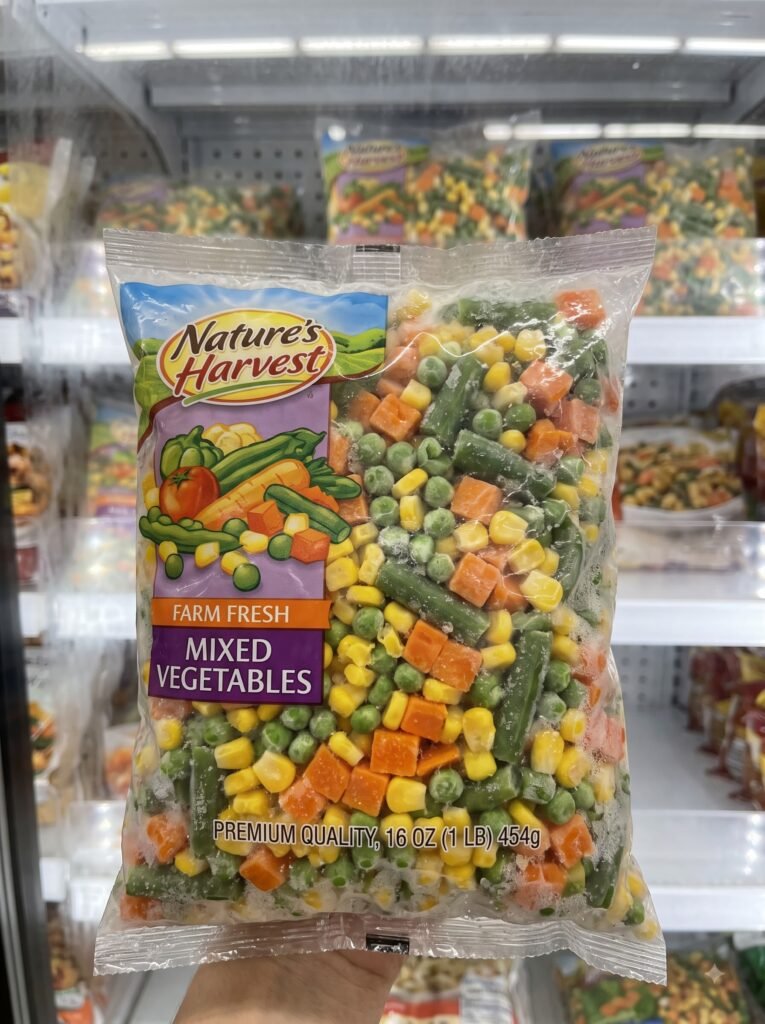
A stocked freezer of mixed vegetables means a nutritious side dish is always just a few minutes away, no matter how tired you are.
Parents love this category because frozen veggies retain nutrients well and never go to waste like fresh produce sometimes does. They work well steamed as a quick side or tossed into soups and stir-fries.
Buy a mix of varieties so dinner doesn’t feel repetitive throughout the week. Frozen is almost always cheaper per serving than fresh, especially out of season.
Common Mistake: Only buying fresh vegetables with the best intentions, only to have them spoil before you get around to cooking them.
29. Frozen Fruit (For Smoothies)
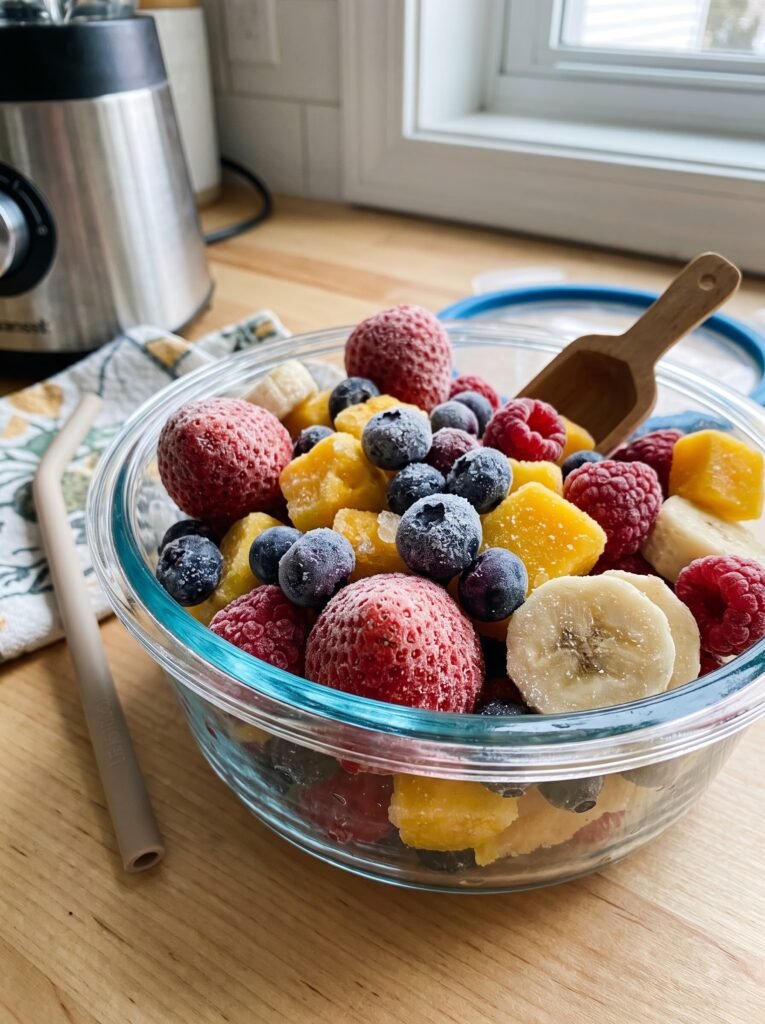
A bag of frozen fruit turns a quick blend into a genuinely nourishing snack or light meal in under five minutes.
Parents love smoothies because they’re an easy way to combine several food groups into one drinkable, mess-contained option. They work especially well as a fast breakfast or an afternoon energy boost.
Buy a variety of frozen fruits to keep flavor combinations interesting throughout the week. Blending in a handful of spinach or oats adds extra staying power without changing the taste much.
Pro Tip: Pre-portion smoothie ingredients into freezer bags so all you have to do is dump and blend.
30. Pre-Made Freezer Meals
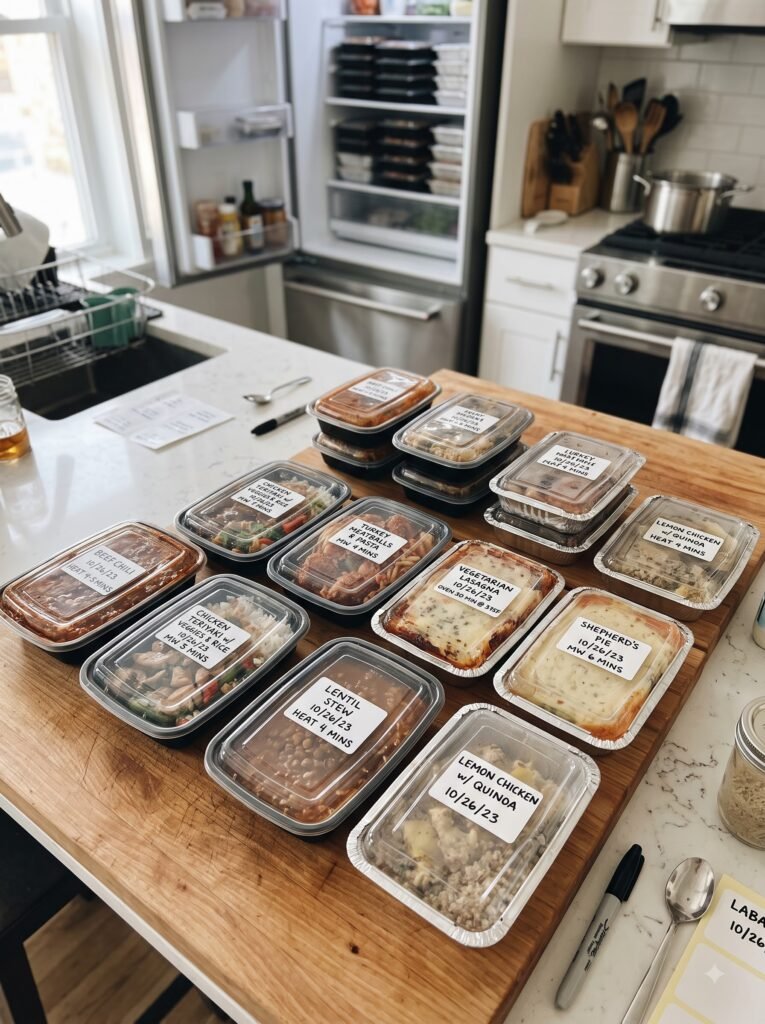
A stocked freezer of pre-made meals is one of the most practical investments you can make before or shortly after baby arrives.
Parents love this because on the hardest days, dinner is already solved — just reheat and eat. It works especially well during the first few postpartum weeks when cooking feels genuinely out of reach.
Cook double batches of easy meals in the weeks before your due date and freeze half in labeled containers. Accepting meal deliveries or a meal train from friends and family is a wonderful, cost-free alternative too.
Why You’ll Love It: Future-you will be endlessly grateful to present-you for this one.
31. Instant Oatmeal Cups
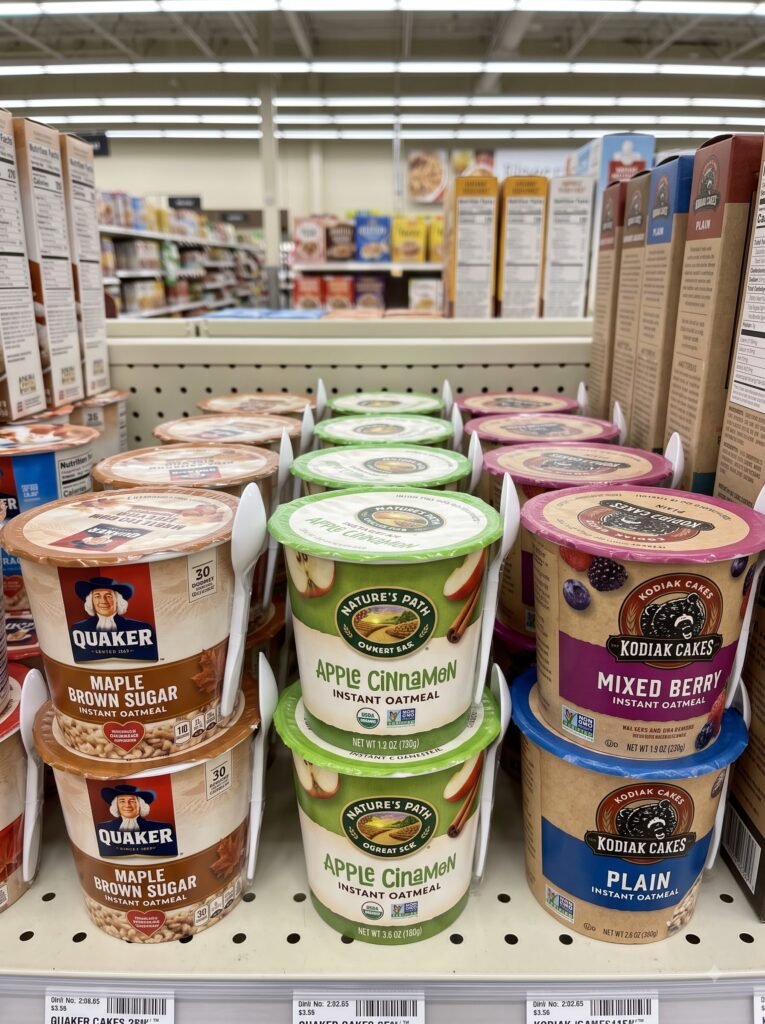
Instant oatmeal cups are a slightly pricier but genuinely convenient variation on regular oats for the busiest days.
Parents appreciate them because all it takes is hot water and a couple of minutes — no measuring, no dishes beyond the cup itself. They work well for a fast breakfast when even a stovetop feels like too much.
Look for lower-sugar varieties and doctor them up with your own fruit or nut butter. Buying the plain packets in bulk and adding your own mix-ins stretches your grocery budget further.
Quick Tip: Keep a stash at your bedside for an easy first bite before you’re even fully out of bed.
32. Meal Replacement or Protein Shakes
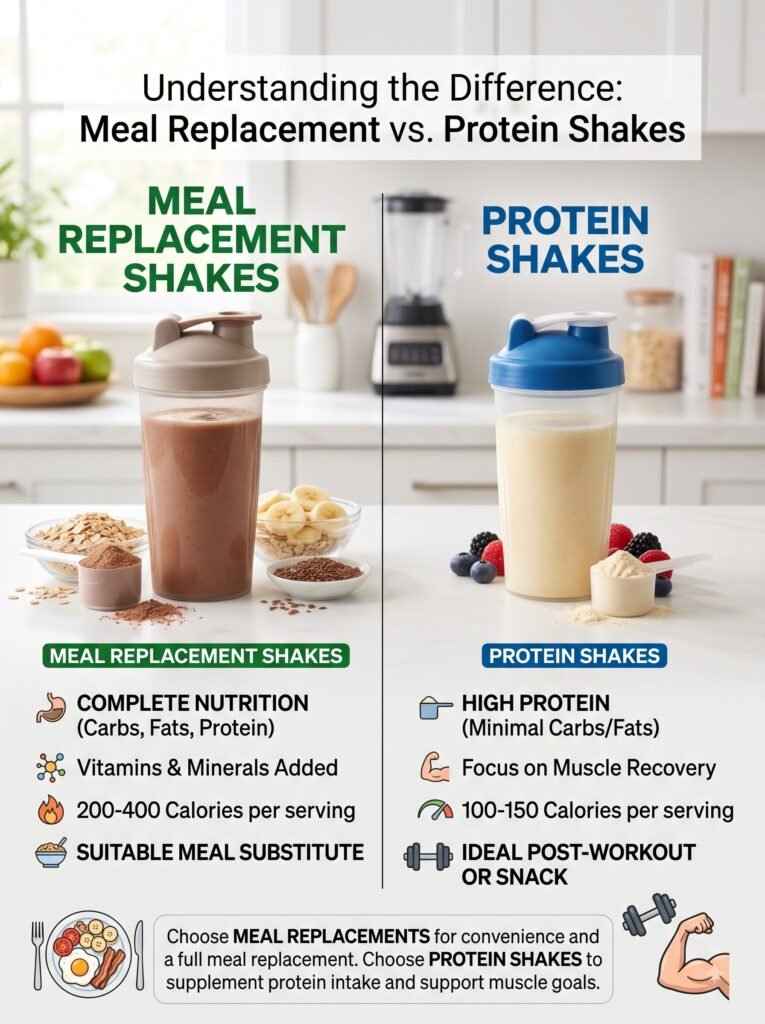
Meal replacement shakes can be a helpful backup for days when a full meal simply isn’t going to happen.
Parents like having a few on hand because a shake takes seconds to drink and still provides real nutrition when cooking or even snacking feels impossible. They work well any time a meal gets skipped in the newborn chaos.
Look for a lower-sugar formula and check with your doctor if you have specific health considerations. Making your own shake with milk, fruit, and a scoop of protein powder is typically cheaper than pre-bottled versions.
Common Mistake: Relying on shakes as a full replacement for real meals too often, rather than as an occasional backup.
33. Crackers (Whole Grain)
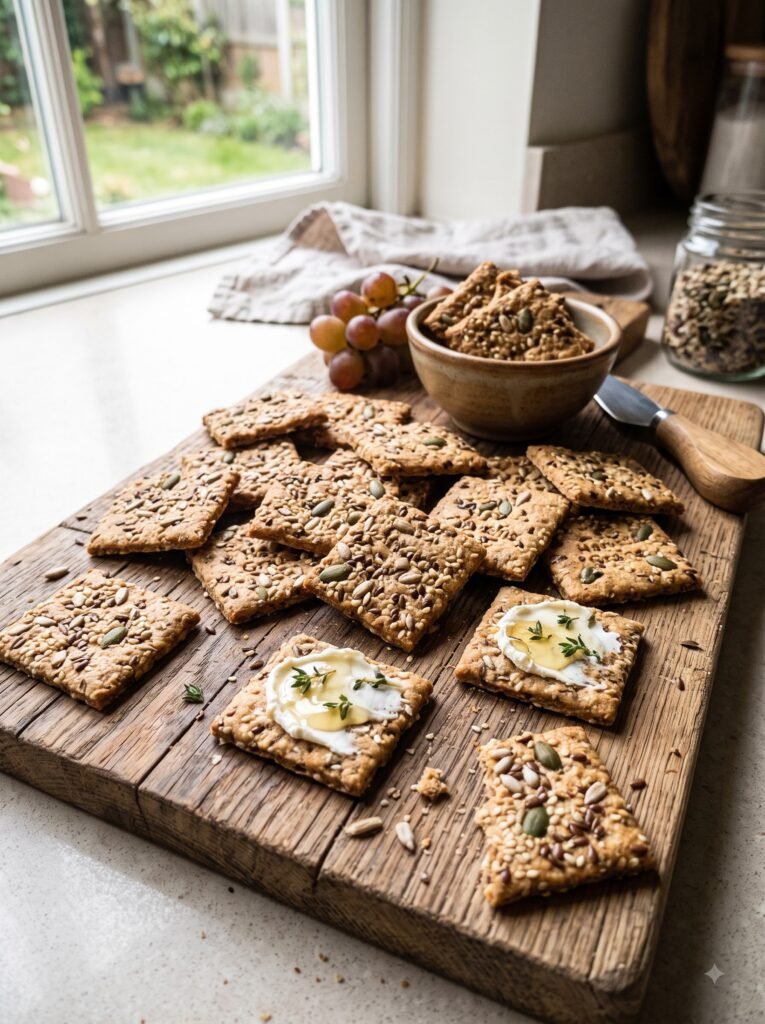
A box of whole grain crackers is a pantry basic that pairs with just about every other item on this list.
Parents love them because they’re the perfect vehicle for cheese, hummus, or nut butter during a fast snack break. They work well any time of day, especially as a base for a quick, satisfying bite.
Choose a whole grain or seeded variety for more staying power than basic white-flour crackers. Buying the store brand instead of a name brand rarely makes a noticeable taste difference.
Pro Tip: Keep a box near your usual nursing spot so a snack is always within arm’s reach.
34. Applesauce Pouches
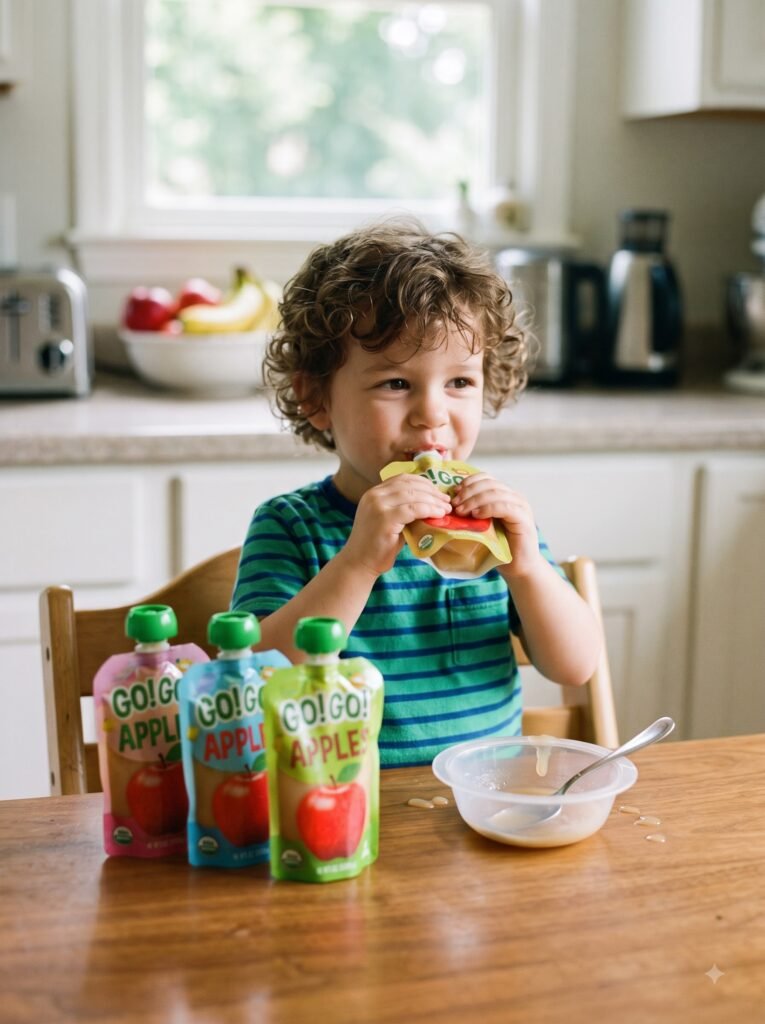
Applesauce pouches are a genuinely underrated snack for adults, not just kids, especially when hands are full.
Parents love them because they can be eaten one-handed in seconds without a spoon or bowl required. They work especially well during a feeding session when reaching for a snack bowl just isn’t realistic.
Choose the unsweetened variety to avoid unnecessary added sugar. Buying a family-size jar and portioning it yourself is more budget-friendly than individual pouches, though slightly less convenient.
Quick Tip: Keep a couple in your bag for outings and pediatrician waiting rooms too.
35. Dark Chocolate
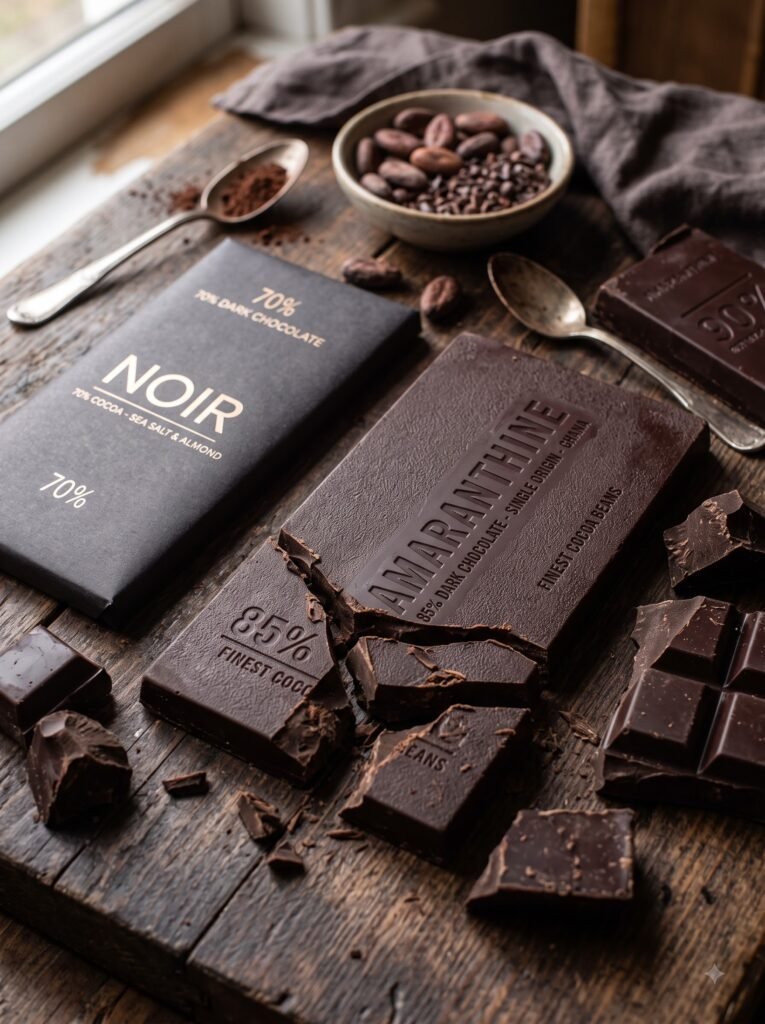
A little square of dark chocolate can be a small, welcome comfort during an exhausting stretch of days.
Parents love this one simply because self-care doesn’t have to be complicated — sometimes it’s just a treat that’s actually enjoyed slowly, without guilt. It works best kept somewhere just out of easy reach so it feels a little special.
Choose a higher cocoa percentage for a richer flavor that satisfies with a smaller amount. Buying a large bar and breaking off pieces is more economical than individually wrapped mini bars.
Why You’ll Love It: Because you deserve a treat that’s just for you, no sharing required.
36. Ginger (Fresh or Tea)
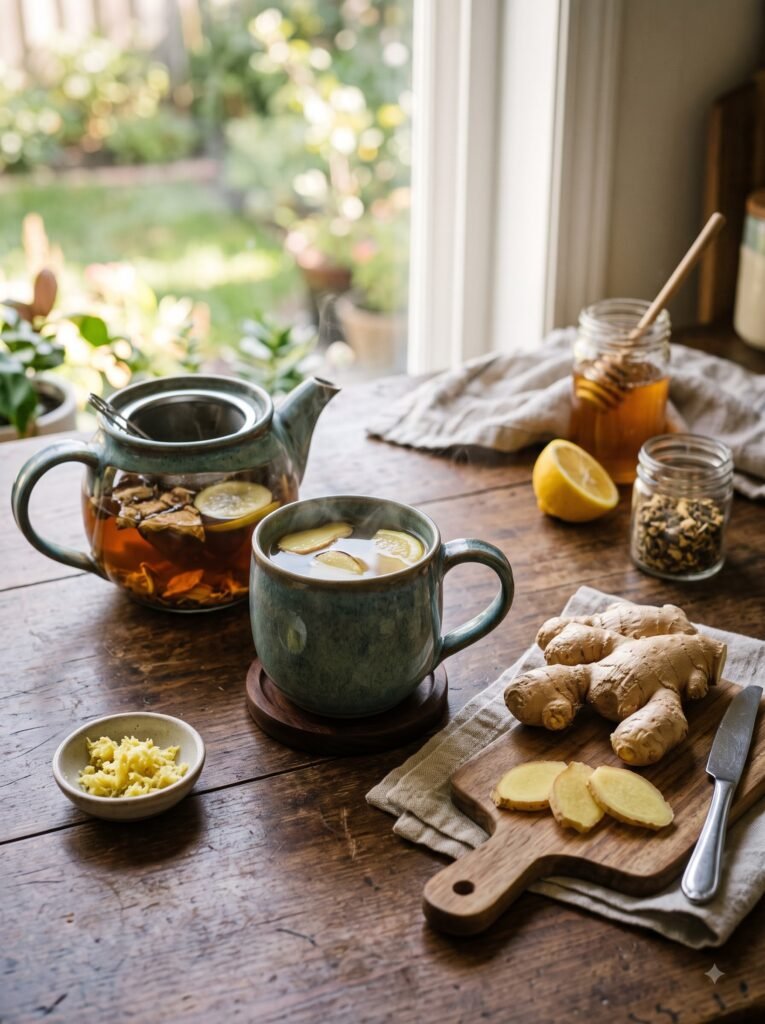
Ginger has long been a go-to comfort ingredient for parents dealing with an upset stomach or general queasiness.
It’s appreciated because it can be steeped into a warm tea or added to meals for a little extra flavor and comfort. It works well any time digestion feels a bit off.
Fresh ginger root keeps for weeks in the fridge and can be grated as needed. Ginger tea bags are a convenient, budget-friendly alternative if fresh isn’t practical.
Expert Advice: If digestive discomfort persists, it’s worth mentioning to your doctor rather than relying on home remedies alone.
37. Multivitamin or Postnatal Vitamin
While this list focuses mostly on food, a postnatal vitamin deserves a spot in your cart as a helpful nutritional backup.
Parents appreciate having one on hand for days when meals aren’t as balanced as they’d like. It works best taken consistently, often paired with a regular routine like a morning feeding.
Choose a formula recommended by your doctor rather than picking one at random off the shelf. Store brands are often just as effective as pricier name brands, but it’s worth double-checking labels with your provider.
Expert Advice: Always check with your doctor or midwife before starting or continuing any supplement while breastfeeding.
38. Reusable Snack Containers
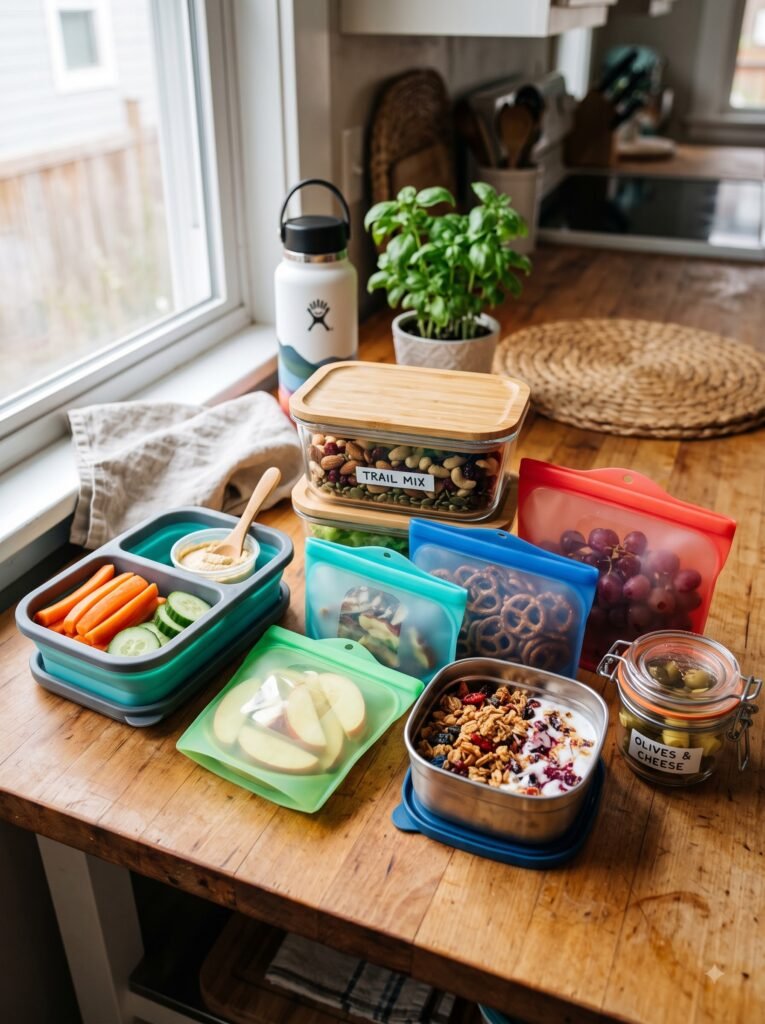
Reusable snack containers aren’t food, but they make every single item on this list easier to grab and go.
Parents love them because pre-portioned snacks mean less decision fatigue during an already overwhelming day. They work especially well for prepping a week’s worth of grab-and-go snacks in one sitting.
Choose stackable, dishwasher-safe containers for the least amount of extra effort. Repurposed containers you already own work just as well as buying a brand-new set.
Quick Tip: Prep five days of snacks at once so the decision is already made for you all week.
39. Insulated Water Tumbler

An insulated tumbler keeps water cold (or tea warm) for hours, which matters more than you’d think during long feeding stretches on the couch.
Parents love this one because a good tumbler means fewer trips to the kitchen and fewer lukewarm drinks left forgotten nearby. It works especially well kept filled and within reach at your main nursing spot.
Choose one with a straw lid for easy one-handed sipping while nursing. A basic cup works fine too, though it won’t keep drinks cold or warm nearly as long.
Pro Tip: Buy two so one is always clean while the other is in use.
40. One-Handed Snack Bins
A dedicated bin or basket of one-handed snacks, restocked weekly, might be the single most game-changing habit on this entire list.
Parents love this idea because it consolidates several items from this list into one grab-and-go station, removing decision-making entirely during a feed. It works best placed directly at your usual nursing spot, whether that’s a couch, glider, or bed.
Fill it with bars, nuts, dried fruit, and crackers, then restock it during your weekly grocery run. A repurposed basket or bin from around the house works just as well as buying something new.
Why You’ll Love It: It turns this entire grocery list into a genuinely usable system, not just a pile of good intentions in the pantry.
Frequently Asked Questions
Do I really need a special grocery list while breastfeeding?
Not a strictly “special” one, but having a plan focused on easy, nourishing, one-handed foods can make a real difference during exhausting early weeks.
How many extra calories do I need while breastfeeding?
Calorie needs vary by individual, so it’s best to talk with your doctor or a lactation consultant for guidance specific to you rather than following a generic number.
Are there foods I should avoid while breastfeeding?
Most foods are fine in moderation, though it’s worth discussing any specific concerns, allergies, or sensitivities with your doctor or a lactation consultant.
Does drinking more water actually increase milk supply?
Staying well-hydrated supports overall health, though supply is influenced by many factors — a lactation consultant can help if you have supply concerns.
Are lactation cookies or teas worth buying?
Some parents enjoy them as a comforting ritual, but effectiveness varies person to person, so it’s worth checking with a lactation consultant before relying on them for supply support.
What’s the easiest meal to prep with a newborn at home?
Overnight oats, pre-cooked grain bowls, and freezer meals prepped in advance tend to be the lowest-effort options for exhausted new parents.
Is caffeine okay while breastfeeding?
Moderate caffeine intake is generally considered fine for most breastfeeding parents, but it’s best to confirm a comfortable amount with your doctor.
How can I make grocery shopping easier with a newborn?
Online grocery delivery or pickup services can be a lifesaver, letting you shop from your phone during a feeding session instead of navigating a store with a baby.
Should I buy organic produce while breastfeeding?
Organic is a personal choice rather than a strict necessity — thoroughly washing all produce, organic or not, is generally recommended.
What’s the single most important item on a breastfeeding grocery list?
Water, hands down — staying hydrated is one of the simplest and most impactful things you can prioritize each day.
Final Thoughts
If you take just a few things from this breastfeeding grocery list, let it be this: stock up on easy proteins like eggs and Greek yogurt, keep a big water bottle within arm’s reach at all times, and build a one-handed snack station wherever you nurse most often. Those three habits alone will carry you through more exhausted afternoons than you’d expect.
Every family’s needs look a little different, so feel free to pick and choose the items from this list that actually fit your routine, your budget, and your taste preferences — there’s no need to buy all 40 at once. The goal isn’t perfection; it’s simply making the next few weeks a little easier on yourself.
You’re doing an incredible job, and a well-stocked kitchen is just one small way to make this season of feeding and caring for your baby feel a little more manageable. Take it one grocery trip at a time, and be gentle with yourself along the way.