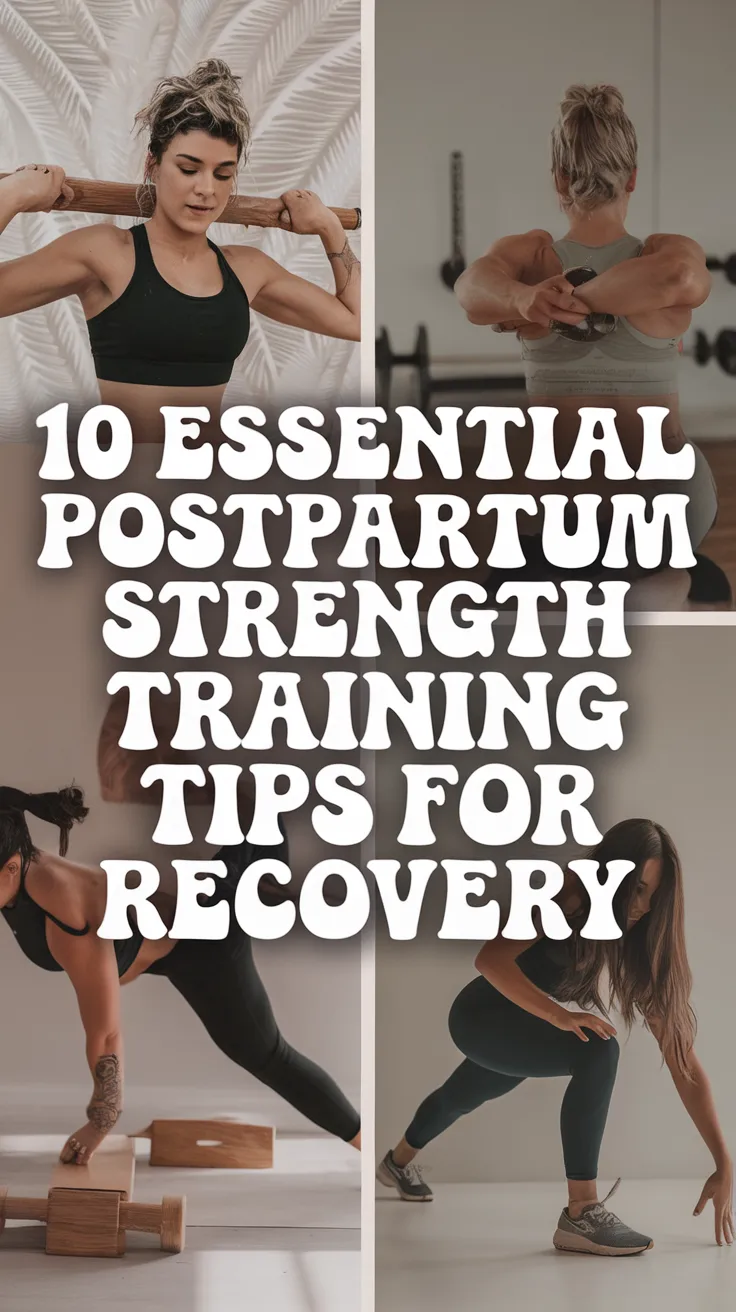
Postpartum recovery hits like a surprise ingredient you never asked for—suddenly your core feels weird, your sleep disappears, and everyone online acts like you should “bounce back” on schedule. (Sure, and I should also meal-prep gourmet dinners daily… with a newborn.) You want your body to feel strong again, not punished, and you want a plan that respects healing and real life.
I care about this because I’ve watched friends try to “work off” postpartum changes way too fast, and they ended up frustrated, leaky, or in pain—aka the opposite of recovery. You can absolutely rebuild strength, support your pelvic floor, and feel like yourself again, but you need smart steps and a little patience. Ready for postpartum strength training tips that actually help you recover? 🙂
1. Get Cleared First (Because You’re Healing, Not “Slacking”)
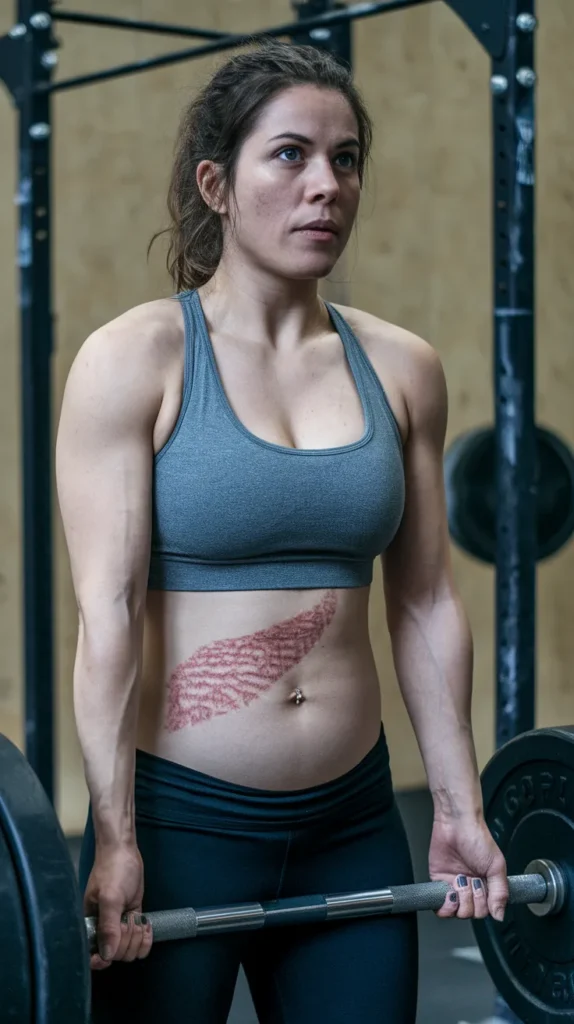
You build a strong postpartum body by playing the long game, not by rushing back to heavy workouts.
What to do
- Ask your OB-GYN or midwife when you can start postpartum strength training based on your birth and symptoms.
- Tell them your real goals: lifting your baby without back pain, walking without pressure, returning to the gym safely.
- Ask about pelvic floor physical therapy if you leak, feel heaviness, or feel pain.
Why it matters
You set yourself up for progress when you know your boundaries. You also stop spiraling into late-night “Is this normal?” searches. Who needs that at 2 a.m.?
2. Make Breathing Your First Strength Move
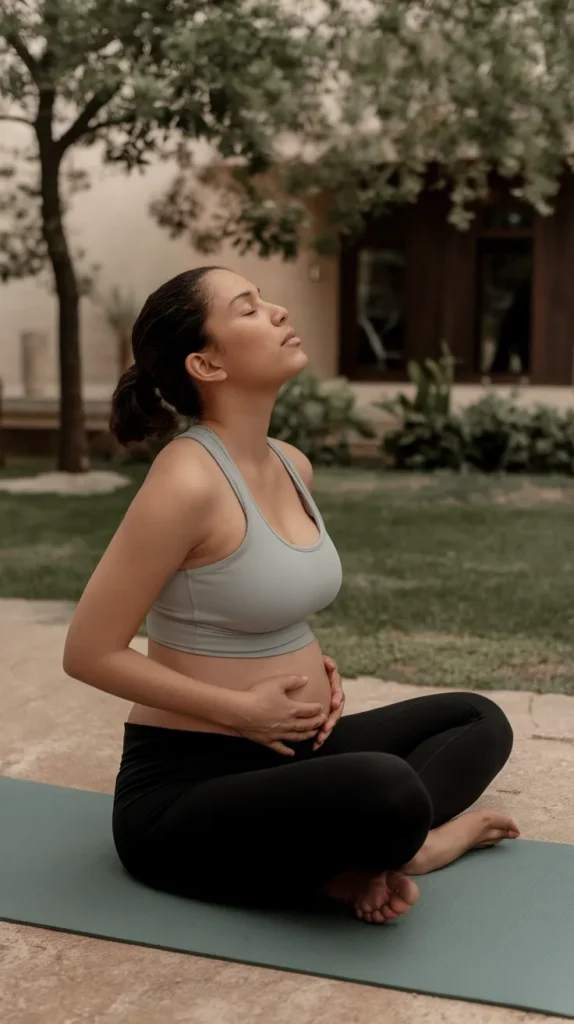
You can’t out-squat bad pressure management. Your breath controls pressure in your core and pelvic floor, and that changes everything postpartum.
Try this: 360 breathing + gentle brace
- Inhale through your nose and expand your ribs sideways and back
- Exhale slowly and feel your ribs come down
- Add a gentle pelvic floor lift on the exhale (think “pick up a blueberry,” not “crush a watermelon”)
Quick form cues
- Keep your jaw unclenched
- Keep your shoulders relaxed
- Keep your belly soft on the inhale
This tip sounds basic, but it works like the “salt” in cooking—it makes every other move taste better. Breath-first training also helps if you deal with coning/doming during effort.
3. Start Stupid-Simple (Yes, Simple Works)
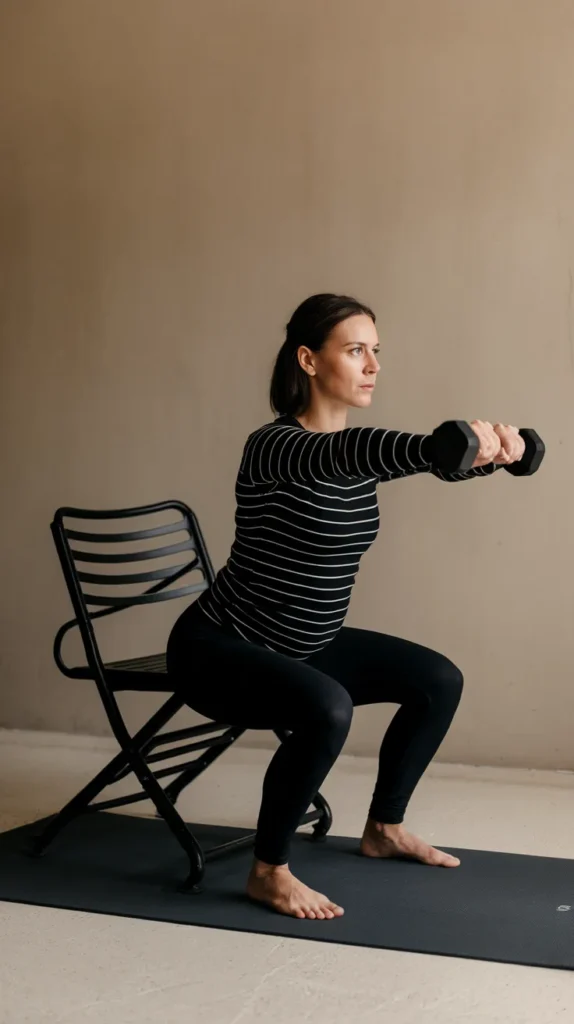
You don’t need fancy postpartum workouts. You need repeatable ones that rebuild strength without irritating your core or pelvic floor.
Your starter move menu
- Sit-to-stand squats (use a chair)
- Hip hinge (practice the deadlift pattern with light weight)
- Incline push-ups (hands on a counter or wall)
- Supported rows (band rows work great)
How to structure it
- Pick 3 moves.
- Do 2 sets of 8–12 reps.
- Stop before you grind or shake like a baby giraffe.
IMO, “boring” strength training wins postpartum because it matches real life. You stand up, you bend, you carry, you push—so train that.
4. Watch for Pelvic Floor “Nope” Signals
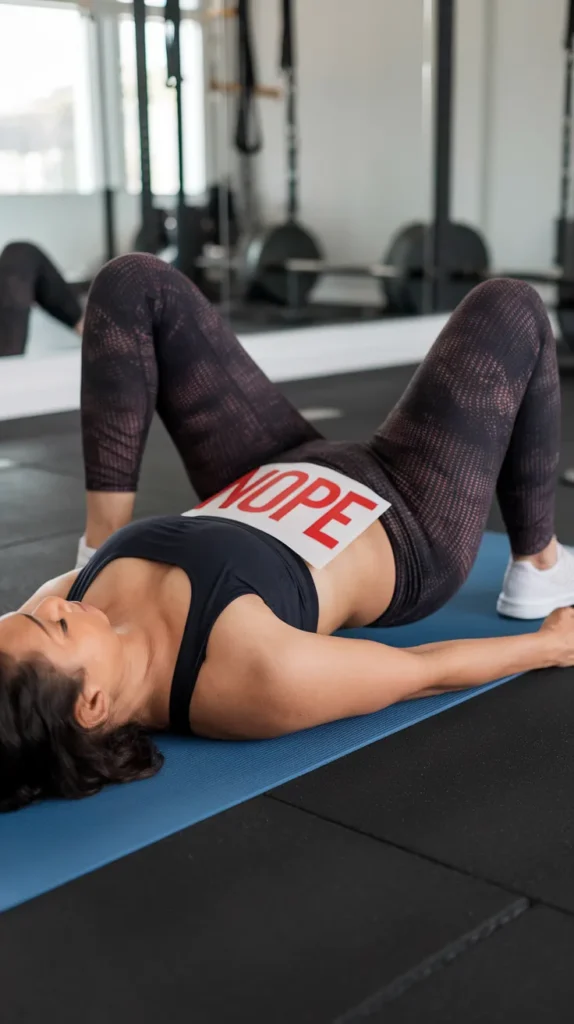
Your body gives you feedback fast postpartum. You don’t need to ignore it to prove you’re tough.
Common signs you need to scale back
- Leaking urine during effort
- Pelvic heaviness, pressure, or dragging
- Pain in your pelvis, tailbone, or lower back
- A sudden increase in bleeding after workouts
What to do if you notice symptoms
- Reduce load, range of motion, or speed.
- Exhale on the hardest part of the rep.
- Swap to a more supported variation (incline, kneeling, lighter weight).
- Consider a pelvic floor PT evaluation.
You wouldn’t keep eating a food that makes you feel awful and call it “discipline,” right? Treat symptoms the same way.
5. Train Your Glutes Like Your Back Depends on It (Because It Does)
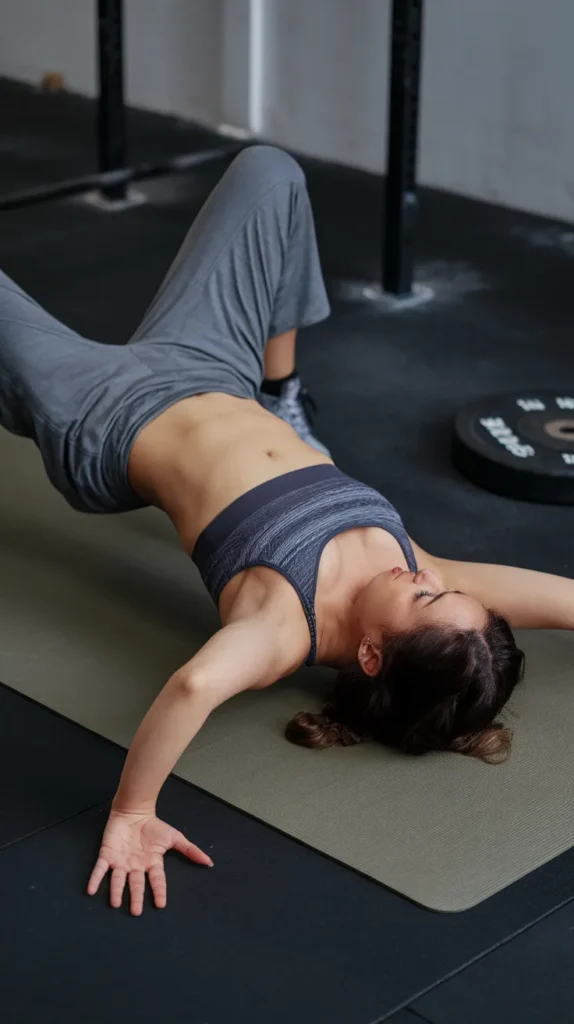
Postpartum posture often shifts your ribs forward and your hips forward, and your lower back tries to do everyone’s job. Your glutes can take that job back.
Glute-friendly exercises that usually feel great postpartum
- Glute bridges
- Step-ups
- Supported Romanian deadlifts (light dumbbells)
- Side steps with a mini band
My favorite glute bridge setup
- Lie down with knees bent and feet planted.
- Exhale, brace gently, then lift your hips.
- Pause for 1 second at the top and squeeze your glutes.
- Lower slowly for control.
I once ignored glute work for a couple weeks because I felt “too tired,” and my back responded with a dramatic complaint letter. Train the glutes and save yourself the drama.
6. Rebuild Your Deep Core (No Crunch-Marathon Required)
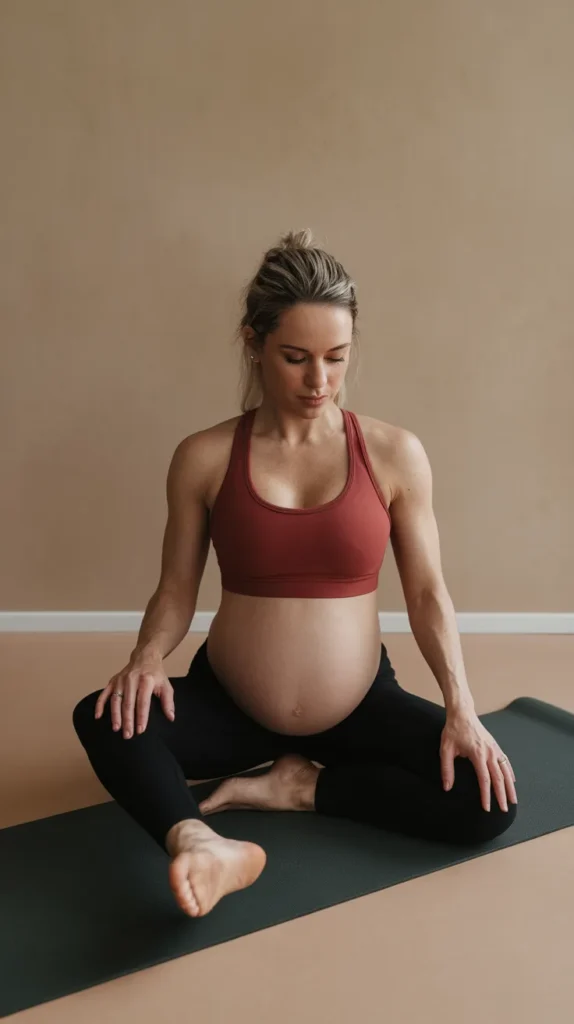
Your deep core supports your spine and helps your pelvic floor handle pressure. Crunches often add pressure before you can control it, so you earn them later.
Start with these deep-core staples
- Heel slides or heel taps
- Dead bug variations (slow and controlled)
- Bird dogs
- Side planks (modified on knees)
What good core control looks like
- You keep your ribs stacked over your hips
- You avoid doming/coning along your midline
- You breathe smoothly through the rep
You can strengthen your core postpartum without “feeling the burn” in your abs every second. Ever noticed how the best recovery tools feel almost too calm? That’s the point.
7. Respect Your C-Section (If You Had One) Without Babying Yourself Forever
A C-section changes your early timeline, but it doesn’t ban strength training. You just progress with more intention.
C-section-friendly priorities
- Scar comfort and mobility (once your provider approves)
- Gentle deep-core control
- Gradual loading of hinges, squats, and carries
Smart modifications
- Use higher inclines for pushing (wall or counter push-ups)
- Keep loads lighter and reps smoother
- Stop if you feel pulling, sharp pain, or increased soreness near the incision
You can rebuild strength and confidence after a C-section. You just need the right pace, not a “go hard or go home” mindset.
8. Build an Upper-Back “Shield” for Feeding and Carrying
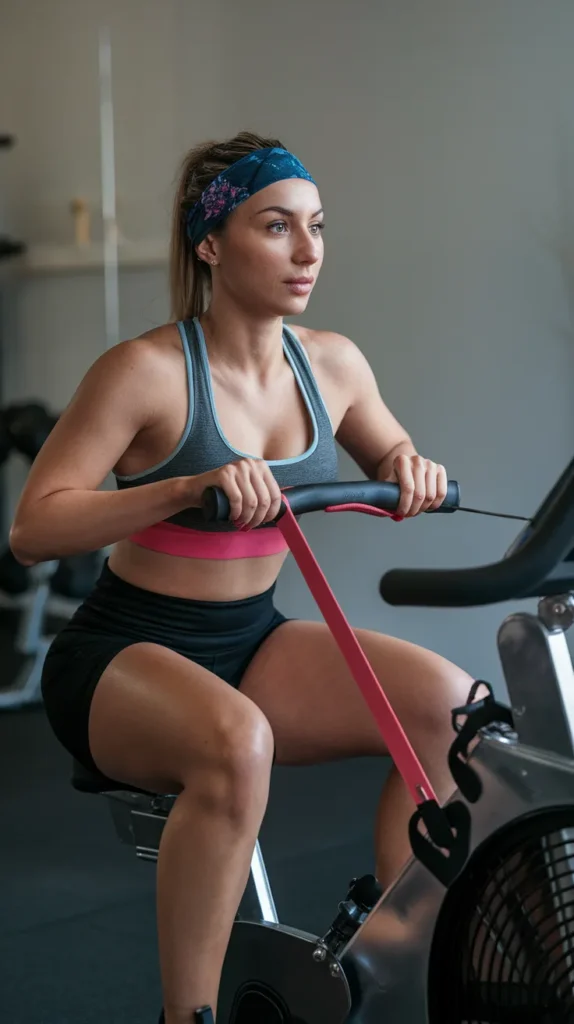
You spend hours looking down, holding a baby, and hunching over feeding setups. Your upper back and shoulders deserve targeted strength work.
Go-to exercises for posture and comfort
- Band rows
- Dumbbell rows (light to moderate)
- Face pulls (band)
- Farmer carries (walk while holding weights)
Simple posture cues that help instantly
- Keep your neck long (don’t jut your chin forward)
- Pull your shoulder blades back and down
- Keep your ribs from flaring up
FYI, upper-back training often reduces neck tension faster than stretching alone. Stretching feels nice, but strength keeps the results.
9. Use the “Minimum Effective Dose” Workout Plan
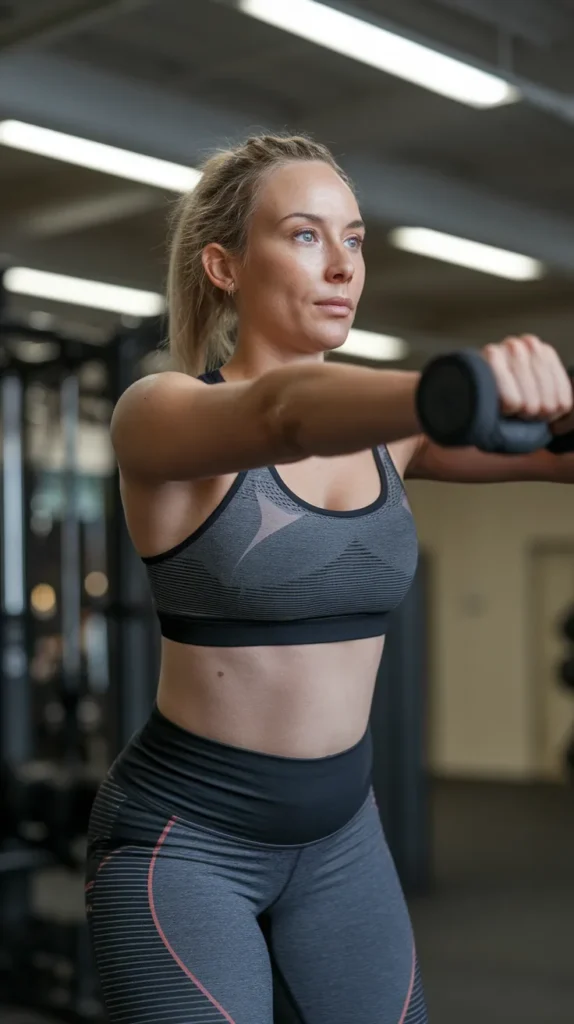
You don’t need hour-long workouts postpartum. You need workouts you can actually do consistently, even when your day turns into chaos.
A realistic weekly plan
- Strength training: 2–3 sessions/week, 15–25 minutes
- Walking: 3–5 days/week, start with 10–20 minutes
- Mobility/breathing: 5 minutes most days
A sample 20-minute postpartum strength circuit
- Sit-to-stand squats: 10 reps
- Band rows: 12 reps
- Glute bridges: 12 reps
- Incline push-ups: 8–10 reps
- Farmer carry: 30–45 seconds
Repeat 2 rounds, rest when you need.
This setup keeps the goal clear: postpartum recovery strength, not exhaustion.
10. Progress Like You Season Food: Slow, Steady, and On Purpose
You don’t dump the whole spice jar into a pot and hope for the best. You taste, adjust, and keep it enjoyable. Strength training works the same way postpartum.
Easy progression rules that keep you safe
- Add reps first, then add weight
- Change one variable at a time (weight or reps or range)
- Keep effort moderate most days (you should finish feeling capable, not wrecked)
Use these “green light” markers
- You feel stable during lifts
- You recover well within 24 hours
- You don’t trigger pelvic floor symptoms
- You feel stronger in daily life (stairs, carrying, getting up from the floor)
People love dramatic transformations, but postpartum recovery rewards boring consistency. Do you want sustainable strength or a short-lived crash-and-burn?
A Few Extra Tips That Make Everything Easier
These don’t count as official tips, but they absolutely help.
Fuel and hydration (the unsexy basics)
- Eat enough protein and carbs so your body can rebuild
- Drink water, especially if you breastfeed
- Keep easy snacks around because life happens
Sleep and stress (the “I know, I know” category)
You can’t always control sleep postpartum, but you can control how hard you push. Your body heals faster when you match training intensity to your energy.
Postpartum strength training should help you feel steadier, stronger, and more like yourself—not like you need to “fix” anything. You’ll recover best when you focus on breath, core control, pelvic floor-friendly progressions, and consistent full-body strength work. Keep it simple, keep it steady, and don’t let internet noise bully you into rushing.
So… what do you want most right now: less back pain, a stronger core, or a safe path back to the gym?