
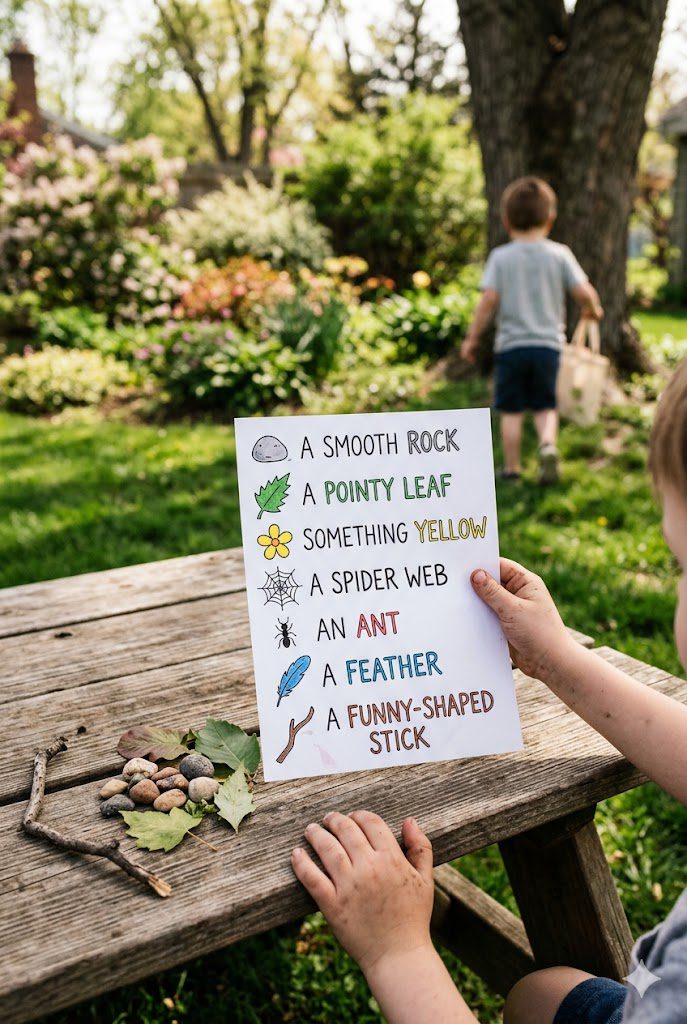
Let’s be real — getting kids outside and away from their tablets can feel like negotiating a peace treaty. But here’s the secret weapon parents and caregivers have been sleeping on: outdoor scavenger hunts for kids. They’re free (or nearly free), endlessly customizable, and the kids actually beg to play them. I’ve run these at birthday parties, lazy Sunday afternoons, and even a chaotic family reunion where I needed 12 kids occupied for two hours. Spoiler: it worked.
Whether you’ve got toddlers, tweens, or that one kid who insists they’re “too old for games” (they’re not), there’s an outdoor scavenger hunt idea on this list for every age, every season, and every energy level. Let’s get into it. If your kids enjoy sensory-style play too, these summer sensory bin ideas are another great screen-free option for busy afternoons.
1. Classic Nature Scavenger Hunt
Why It’s Awesome
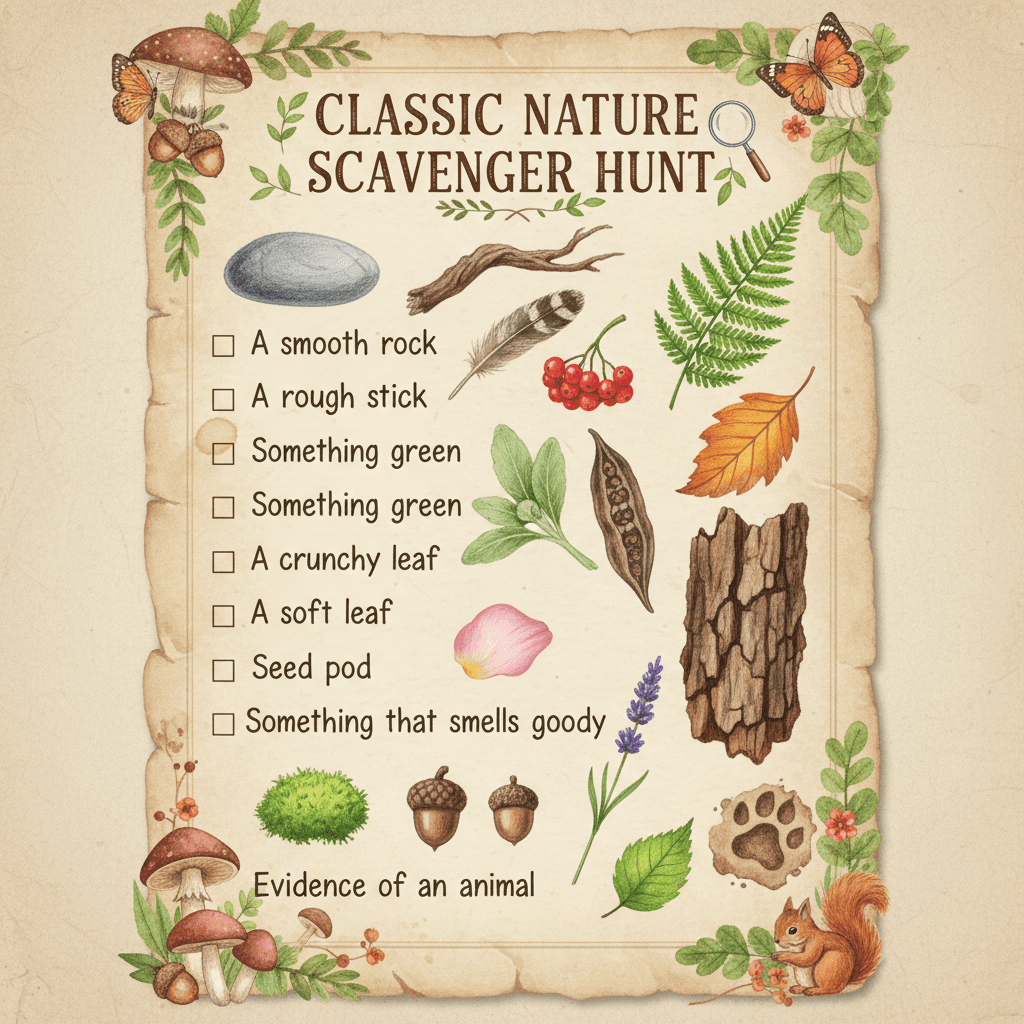
This is the OG of outdoor scavenger hunt ideas for kids — simple, zero-prep, and works literally anywhere there’s a backyard or park nearby.
What You’ll Need
- A printed or handwritten list of nature items
- A bag or basket per child
- Pencil or crayon to check off finds
How to Run It
- Write a list of 10–15 nature items kids can find (leaf, pinecone, smooth rock, feather, acorn, spider web, etc.).
- Hand each child a list and a bag.
- Set a timer for 20–30 minutes.
- Whoever checks off the most items wins — or everyone wins candy, because honestly, why not.
Why You’ll Love It
No budget, no special equipment, and it teaches kids to actually look at the natural world around them. I once ran this with my niece and she found a cicada shell she’d been stepping over all summer. Mind. Blown.
2. Color Hunt Scavenger Hunt
Why It’s Awesome
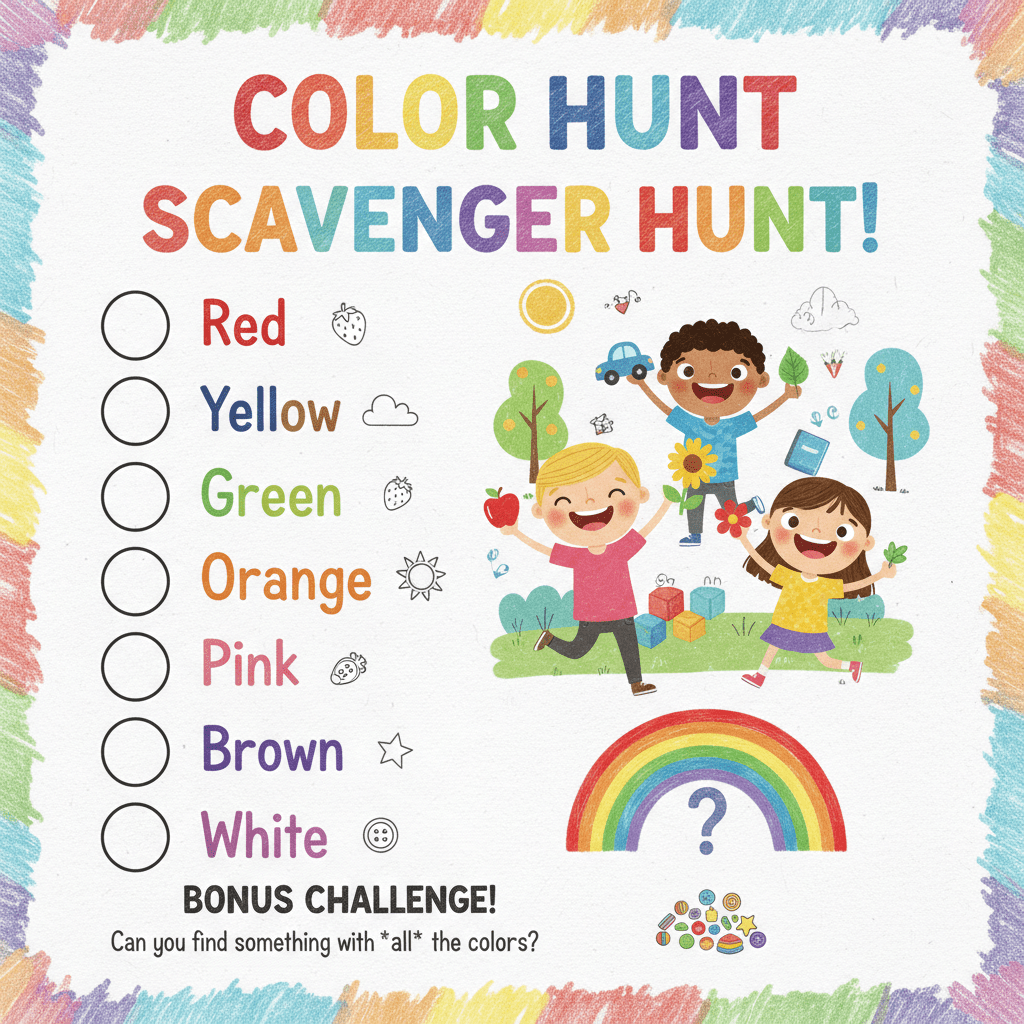
Perfect for younger kids — toddlers to age 6 — because the only rule is “find something this color.” Simple, engaging, and surprisingly competitive.
What You’ll Need
- Color cards (paint swatches from a hardware store work great)
- One small bag per child
- Optional: camera or phone to photograph finds instead of collecting
How to Run It
- Give each child a set of color swatches (red, blue, yellow, green, purple, orange).
- Challenge them to find one outdoor item that matches each color.
- Collect items in the bag OR take a photo of each one.
- Compare finds at the end — the variety is always hilarious.
Why You’ll Love It
This one is IMO one of the best outdoor scavenger hunt ideas for toddlers because it builds color recognition without feeling like homework. We did this at a birthday party once and a 3-year-old brought back a purple rock she’d painted herself the week before. Points for creativity, honestly.
3. Alphabet Scavenger Hunt
Why It’s Awesome
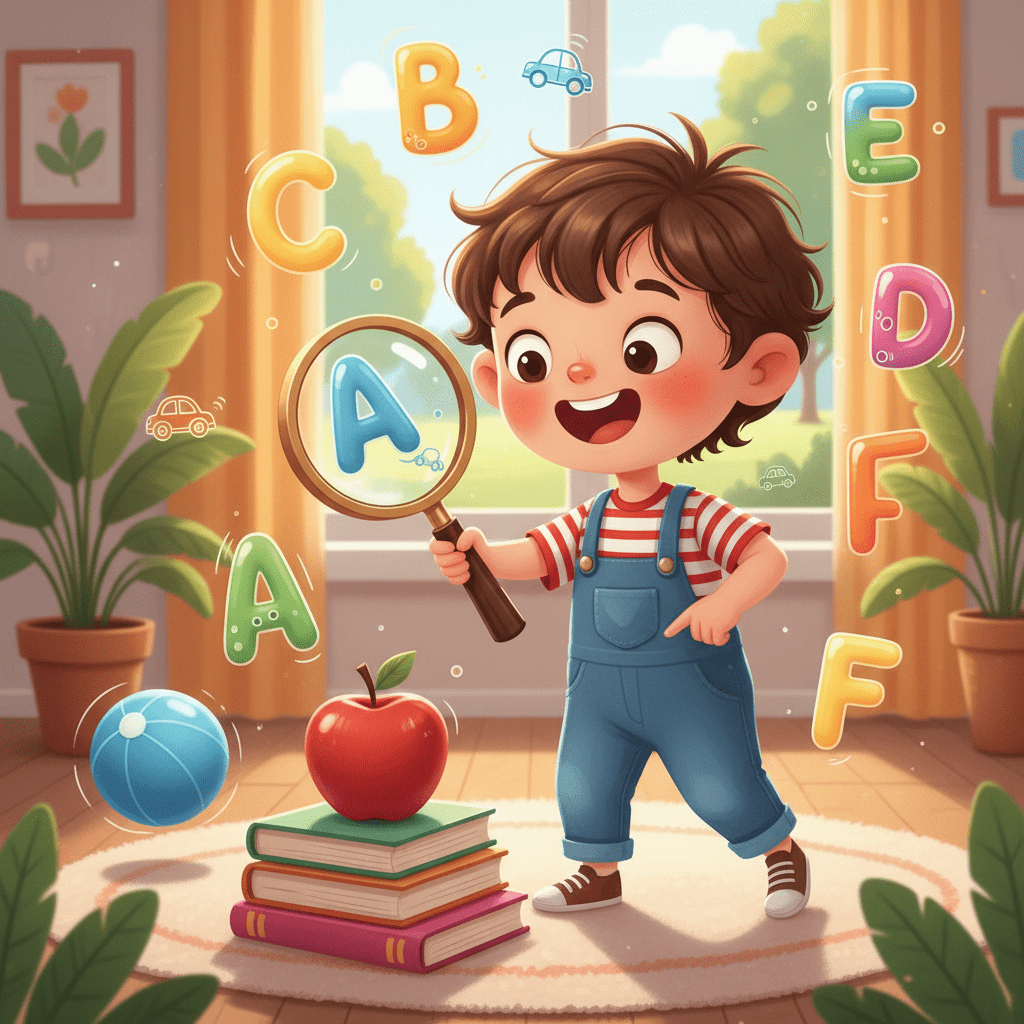
Turn the outdoors into a living alphabet book. Every item found has to start with the next letter of the alphabet — bonus learning included at no extra charge.
What You’ll Need
- An alphabet list printed on a card
- Pencils to write down finds
- Camera for older kids who can photograph instead
How to Run It
- Print or write the alphabet, A through Z.
- Challenge kids to find an outdoor item starting with each letter (A = acorn, B = bug, C = cloud, etc.).
- Give 45 minutes to an hour.
- Review lists together — deduct points for obvious cheats like “X = Xtra big stick.”
Why You’ll Love It
Great for early readers and elementary school kids. It sneaks in literacy practice while they’re too busy having fun to notice. The tricky letters — Q, X, Z — spark the best creative thinking you’ll see all week.
4. Texture Hunt
Why It’s Awesome
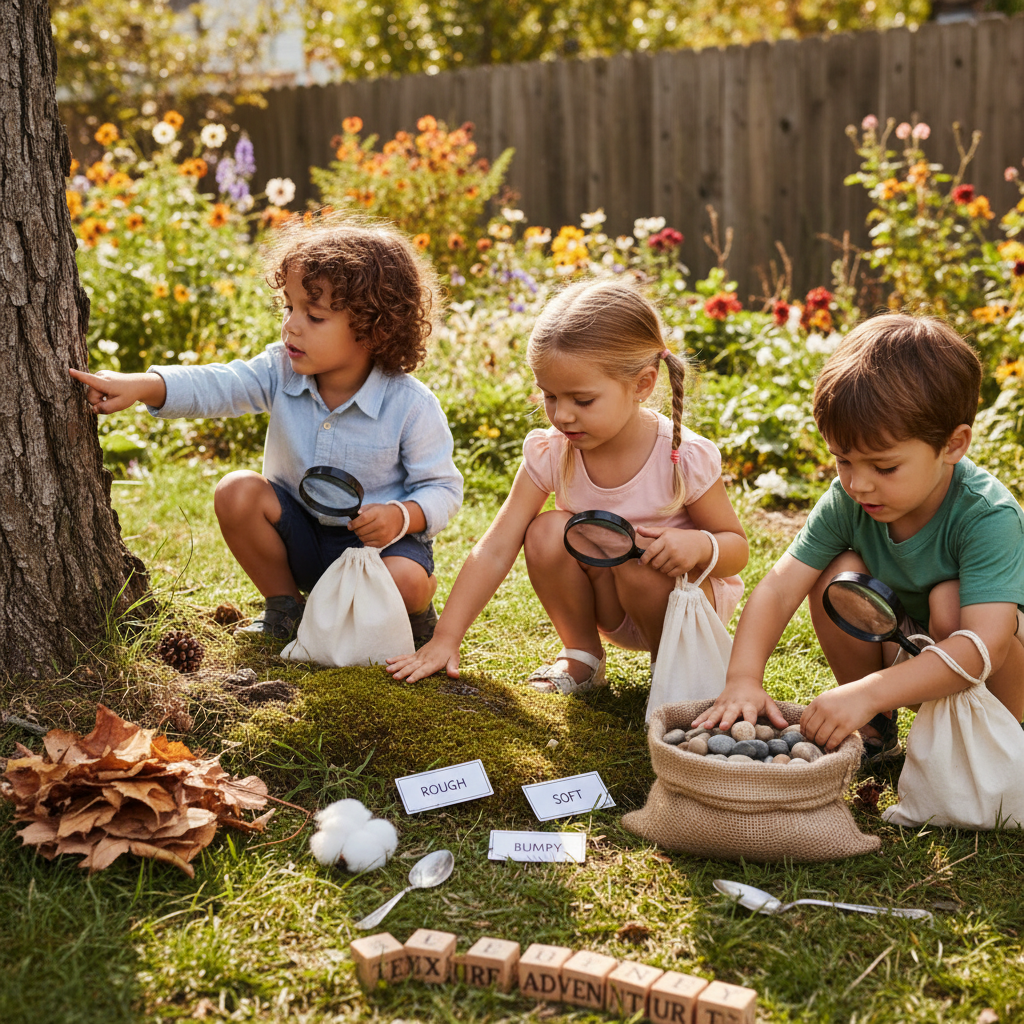
This sensory-rich outdoor scavenger hunt is brilliant for younger kids and kids who learn through touch. Rough, smooth, bumpy, soft, slimy — the world is full of textures waiting to be discovered.
What You’ll Need
- A texture word list (rough, smooth, bumpy, soft, prickly, slippery, hard, squishy)
- A collecting bag per child
- Optional: blindfold for the mystery guess round
How to Run It
- Write out 6–8 texture words on cards or paper.
- Send kids outside to find one item that matches each texture.
- Optional twist: blind-fold kids and have them guess each other’s items by touch alone.
- Award a prize for the wildest find — someone always brings back mud.
Why You’ll Love It
This hunt doubles as sensory play without any setup. FYI, it also works brilliantly as a quiet activity for kids who need a calmer version of outdoor exploration. Highly recommend for ages 2–7.
5. Backyard Bug Hunt
Why It’s Awesome
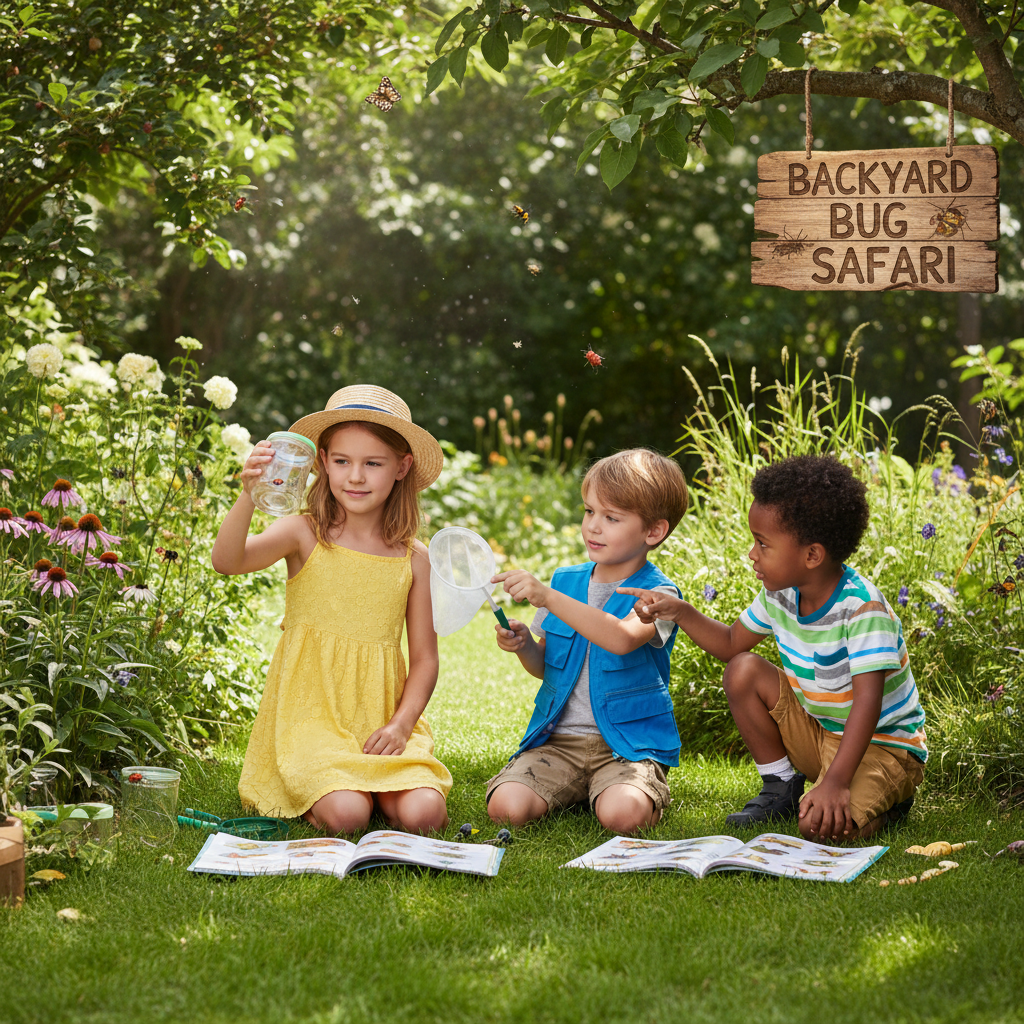
If your kids are into creepy-crawlies (and most of them are, whether they admit it or not), a bug-focused outdoor scavenger hunt is basically their dream afternoon.
What You’ll Need
- A bug checklist (ant, beetle, butterfly, worm, caterpillar, ladybug, grasshopper, spider)
- Magnifying glasses (optional but epic)
- Bug-safe collecting jars with air holes
How to Run It
- Create a checklist of common backyard bugs in your region.
- Give each kid a magnifying glass and jar.
- Challenge them to spot — not necessarily catch — each bug on the list.
- Photograph or sketch what they find, then release anything collected.
Why You’ll Love It
This one sparks genuine scientific curiosity. I once had a 7-year-old spend 40 minutes tracking a single beetle across the garden. Forty. Minutes. Of focused, screen-free engagement. Parents were in awe.
6. Shape Scavenger Hunt
Why It’s Awesome
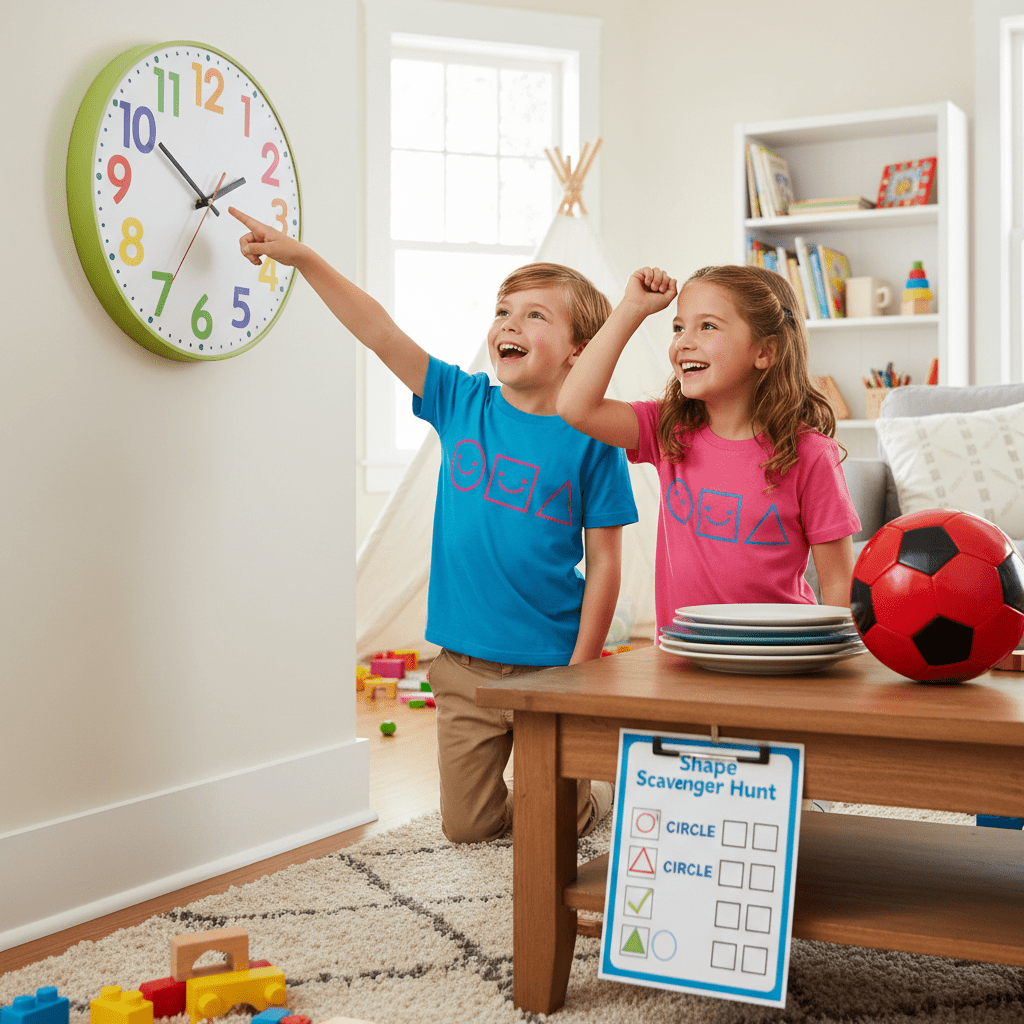
Circles, squares, triangles, and rectangles are hiding everywhere outside — kids just need to know to look. This is a geometry lesson disguised as recess.
What You’ll Need
- Shape reference cards
- Paper and pencil to sketch or list finds
- Optional: chalk to trace shapes on the pavement
How to Run It
- List 5–6 shapes to find: circle, square, triangle, rectangle, oval, spiral.
- Kids hunt for natural or man-made objects matching each shape.
- Sketch or photograph each find with the shape labeled.
- Compare at the end — who found the most creative match?
Why You’ll Love It
Younger kids absolutely love spotting a manhole cover (circle!) or a window frame (rectangle!). It changes how they look at the world around them, which is — genuinely kind of beautiful. For days when staying indoors makes more sense, these easy summer crafts for kids are full of simple ideas you can set up fast.
7. Seasonal Scavenger Hunt
Why It’s Awesome
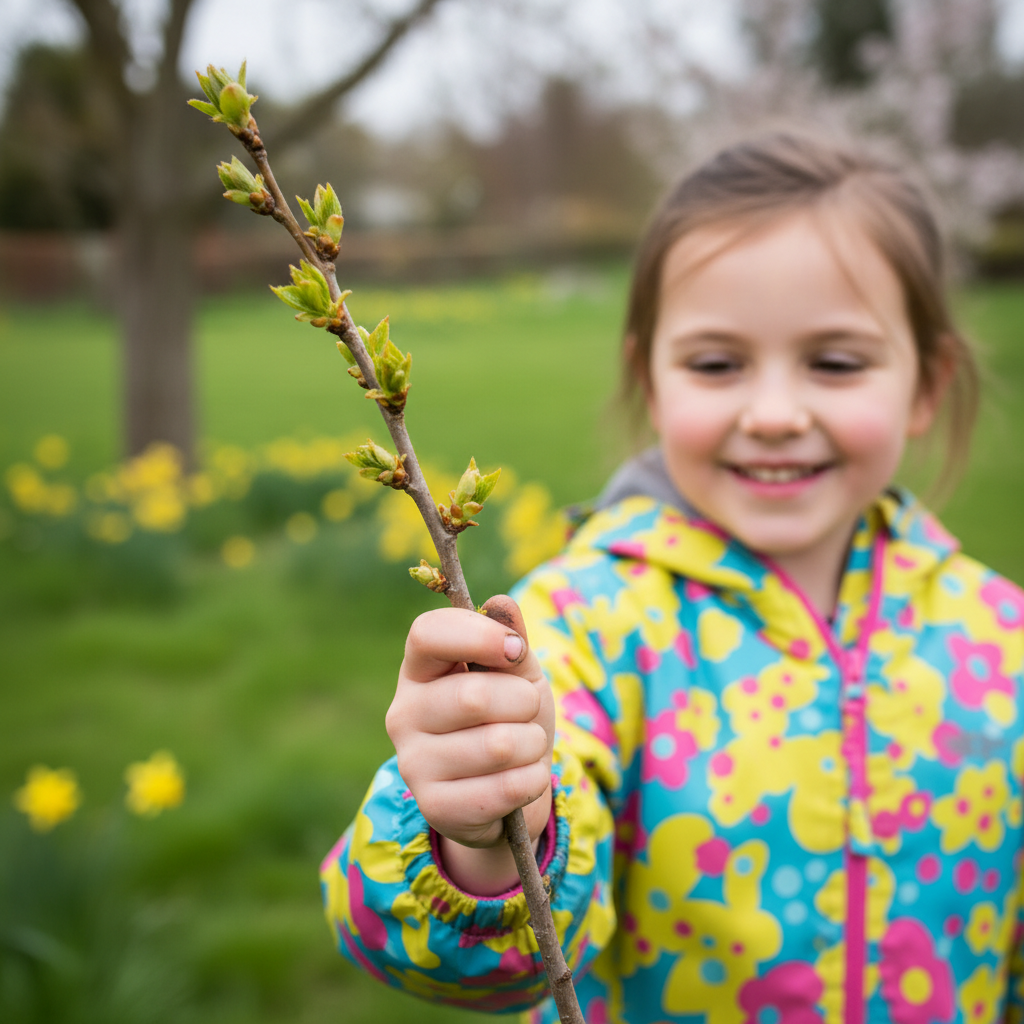
Tailor this outdoor scavenger hunt to whatever season you’re in — and suddenly it feels fresh and new every few months. Autumn leaves, spring buds, summer insects, winter frost. The outdoor world writes the list for you.
What You’ll Need
- A seasonal checklist (customize per season)
- Bag for collecting
- Seasonal treats as rewards (pumpkin candy in fall, popsicles in summer)
How to Run It
- Build a list of 12–15 season-specific items (e.g., fall: red leaf, acorn, pinecone, cobweb, muddy puddle).
- Set kids loose in a backyard, park, or nature trail.
- First to complete the list wins — or time the whole thing for a group challenge.
- Celebrate the season with a themed snack at the end.
Why You’ll Love It
This keeps outdoor scavenger hunts feeling new all year. It also teaches kids to notice seasonal changes, which sounds small but builds incredible nature awareness over time.
8. Photo Scavenger Hunt
Why It’s Awesome
Give an older kid a phone or cheap camera and watch them transform into a tiny documentary filmmaker. This version swaps collecting for capturing — perfect for ages 8 and up.
What You’ll Need
- A smartphone or kid-safe camera per participant
- A printed list of photo prompts
- Optional: a printer to review photos together
How to Run It
- Create a list of photo challenges (something symmetrical, something that casts a shadow, something alive, something old, something that makes you laugh).
- Give kids 30–45 minutes to photograph their finds.
- Review the photos together — vote on the best shot per category.
- Optional: create a printed photo book as a keepsake.
Why You’ll Love It
This is genuinely one of the most creative outdoor scavenger hunt ideas for older kids. It channels their natural love of screens toward going outside. Sneaky parenting at its finest. 🙂
9. Scavenger Hunt by Smell
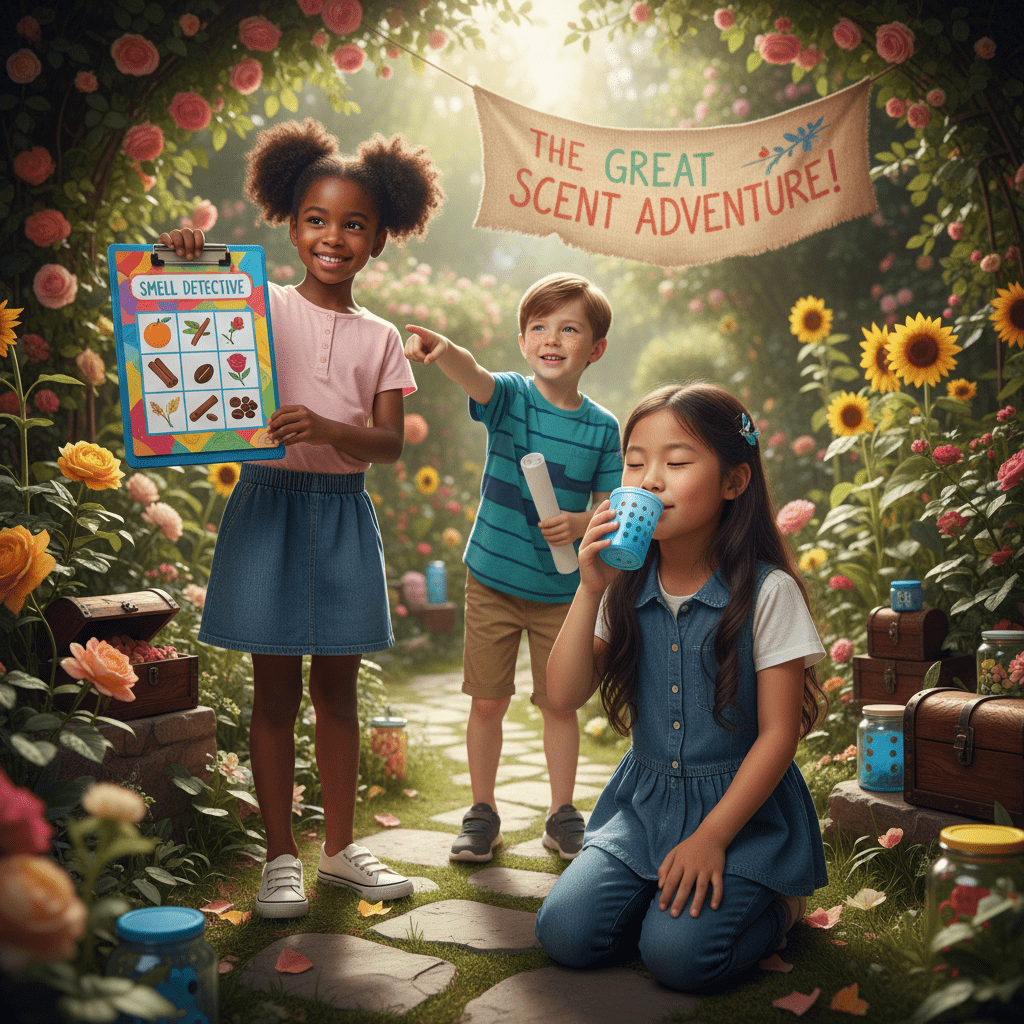
Why It’s Awesome
Challenge kids to find something that smells sweet, earthy, floral, fresh, or like rain. It’s weird, it’s fun, and it works every single time.
What You’ll Need
- A smell category list
- Small cups or bags to collect samples
- Brave nostrils
How to Run It
- List 6–8 smell categories: sweet, earthy, fresh, flowery, woody, sour, neutral, weird.
- Kids roam the outdoor space sniffing everything in their path (yes, everything).
- They bring back small samples — a flower petal, a handful of soil, a crushed leaf — and label each.
- Have a group sniff-off to confirm or debate each category.
Why You’ll Love It
This activates a sense kids almost never use intentionally outdoors. Plus, the debate over whether dirt smells “earthy” or “weird” will be the most animated conversation you’ve had all week.
10. Scavenger Hunt With Clues (Classic Treasure Hunt Style)

Why It’s Awesome
Hide clues around the yard or park that lead from one location to the next, ending at a hidden “treasure.” This is the upgraded, cinematic version of the outdoor scavenger hunt — and kids absolutely lose their minds for it.
What You’ll Need
- 6–10 written clues
- A small treasure (candy, a toy, a gift card for older kids)
- Optional: a treasure map for dramatic effect
How to Run It
- Write clues that lead from one outdoor location to another (e.g., “Look where the flowers drink” = the garden hose or watering can).
- Hide each clue at the location mentioned in the previous one.
- Place the treasure at the final clue’s destination.
- Watch kids sprint around the yard like tiny detectives. Priceless.
Why You’ll Love It
The narrative element turns this from a game into an event. Kids talk about these treasure hunts for months. I’ve seen adults get just as into it, if I’m being honest :/
11. Sound Scavenger Hunt
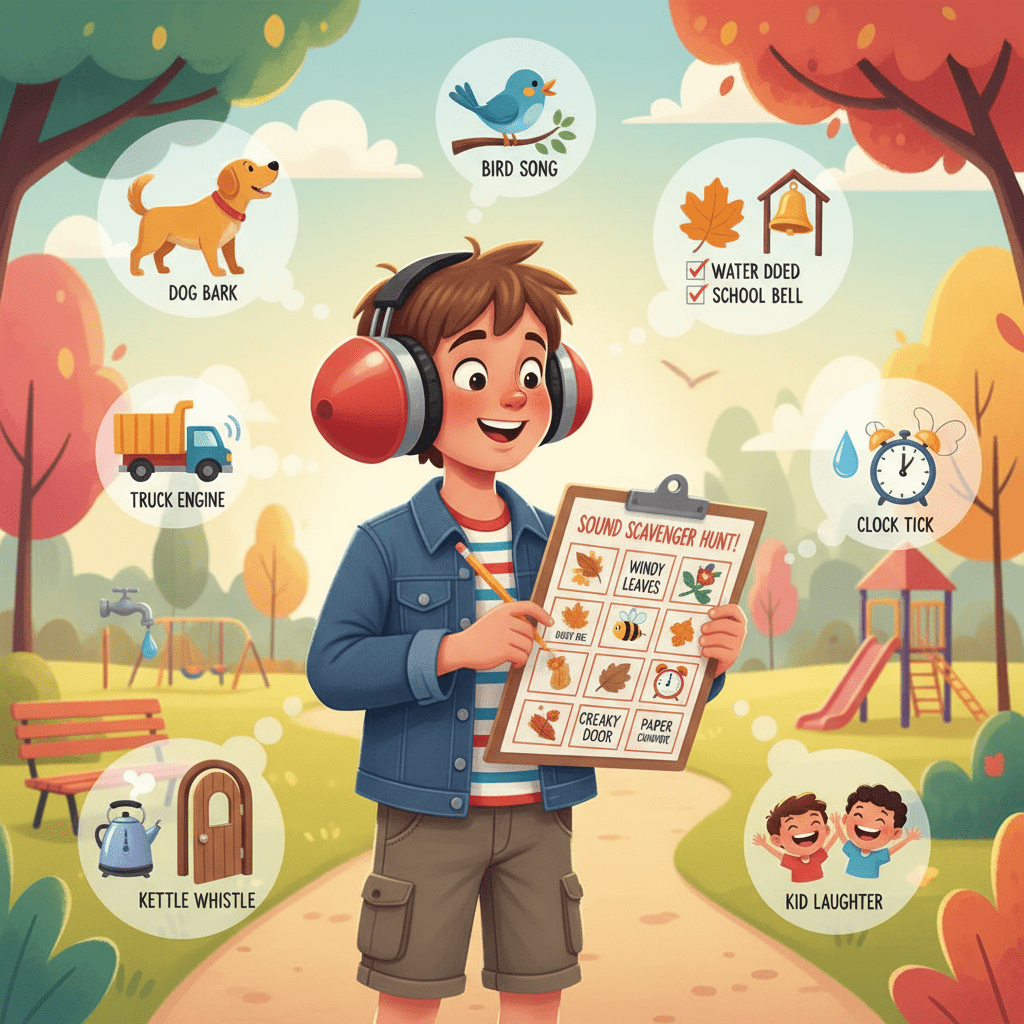
Why It’s Awesome
Instead of finding objects, kids hunt for sounds — wind, birds, water, insects, rustling leaves. It teaches mindful listening in the most fun way possible.
What You’ll Need
- A list of sound categories
- Paper to tally heard sounds
- Optional: a voice recorder or phone to capture audio
How to Run It
- List 8–10 sounds to find: bird chirping, wind in leaves, buzzing insect, crunching footsteps, water flowing, dog barking, laughing, silence.
- Kids roam quietly (yes, quietly — trust the process) and listen for each sound.
- Tally up how many they heard or record audio clips as evidence.
- The winner is whoever hears the most distinct sounds.
Why You’ll Love It
This is an unexpectedly calming outdoor activity that works brilliantly for overstimulated kids. A little stillness goes a long way — and the competitive element keeps them engaged.
12. Neighborhood Walk Scavenger Hunt
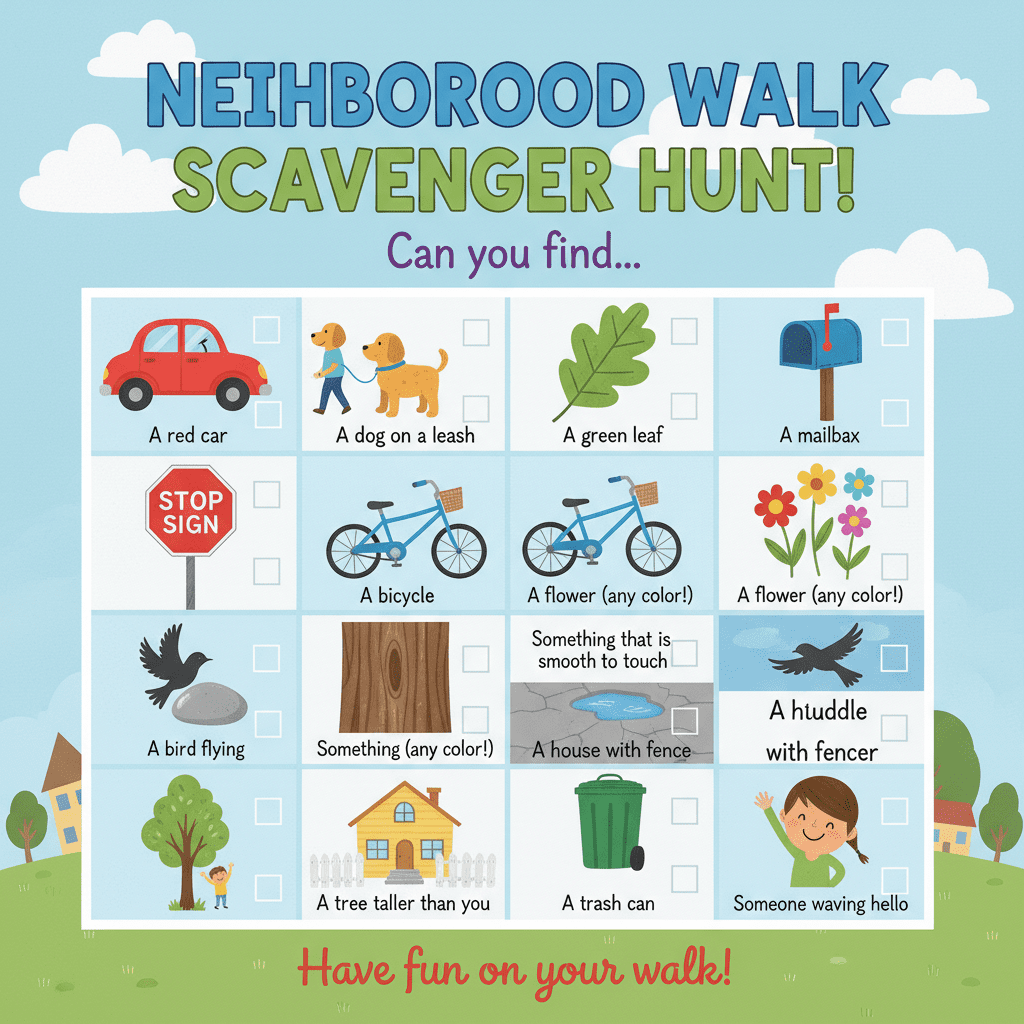
Why It’s Awesome
No backyard? No problem. This outdoor scavenger hunt works on any neighborhood walk and turns a boring errand into an adventure.
What You’ll Need
- A neighborhood-specific checklist
- A clipboard or printed list
- Comfortable shoes
How to Run It
- Build a checklist of neighborhood sights: a red door, a dog being walked, a bicycle, a mailbox, a garden gnome, a fire hydrant, a bird in a tree.
- Walk the neighborhood with kids and check off items as they spot them.
- First to spot each item calls it out.
- Add bonus points for unusual or rare finds.
Why You’ll Love It
This transforms a routine walk into a mission. Kids who drag their feet on walks suddenly sprint ahead looking for fire hydrants. The transformation is immediate and deeply satisfying.
13. Scavenger Hunt by Size
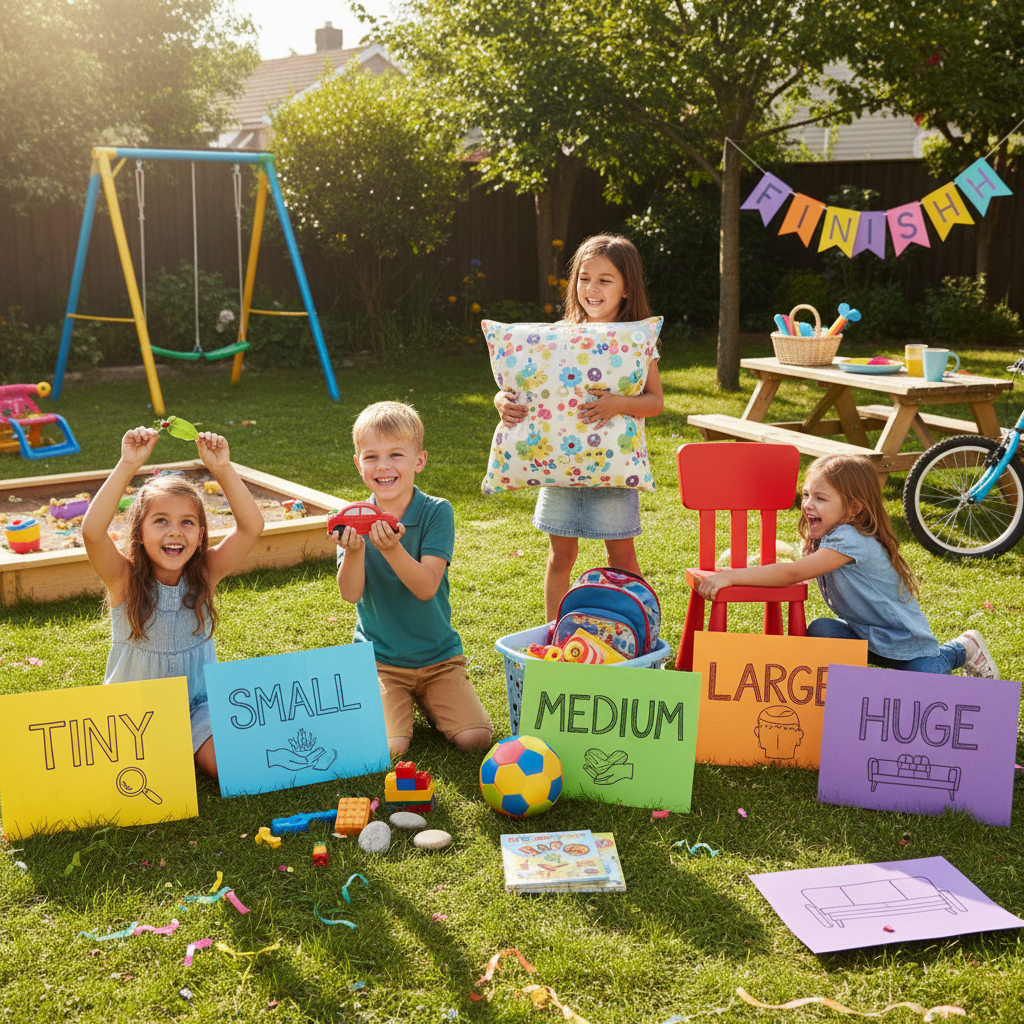
Why It’s Awesome
Tiny, small, medium, big, and enormous — challenge kids to find something that fits each size category. It sounds simple, but the debates over what counts as “enormous” are genuinely entertaining.
What You’ll Need
- A size category card (tiny, small, medium, large, enormous)
- A bag for collecting or paper for sketching finds
- A ruler for disputed sizes
How to Run It
- List size categories from smallest to largest.
- Kids find and collect (or photograph) one outdoor item per category.
- Line up the finds from smallest to largest for the final reveal.
- Debate and judge together — a ruler is the final authority.
Why You’ll Love It
This is a surprisingly sneaky intro to measurement and scale. Kids argue passionately about whether a rock is “small” or “medium.” It’s basically a math lesson with dirt on it.
14. “I Spy” Outdoor Scavenger Hunt
Why It’s Awesome
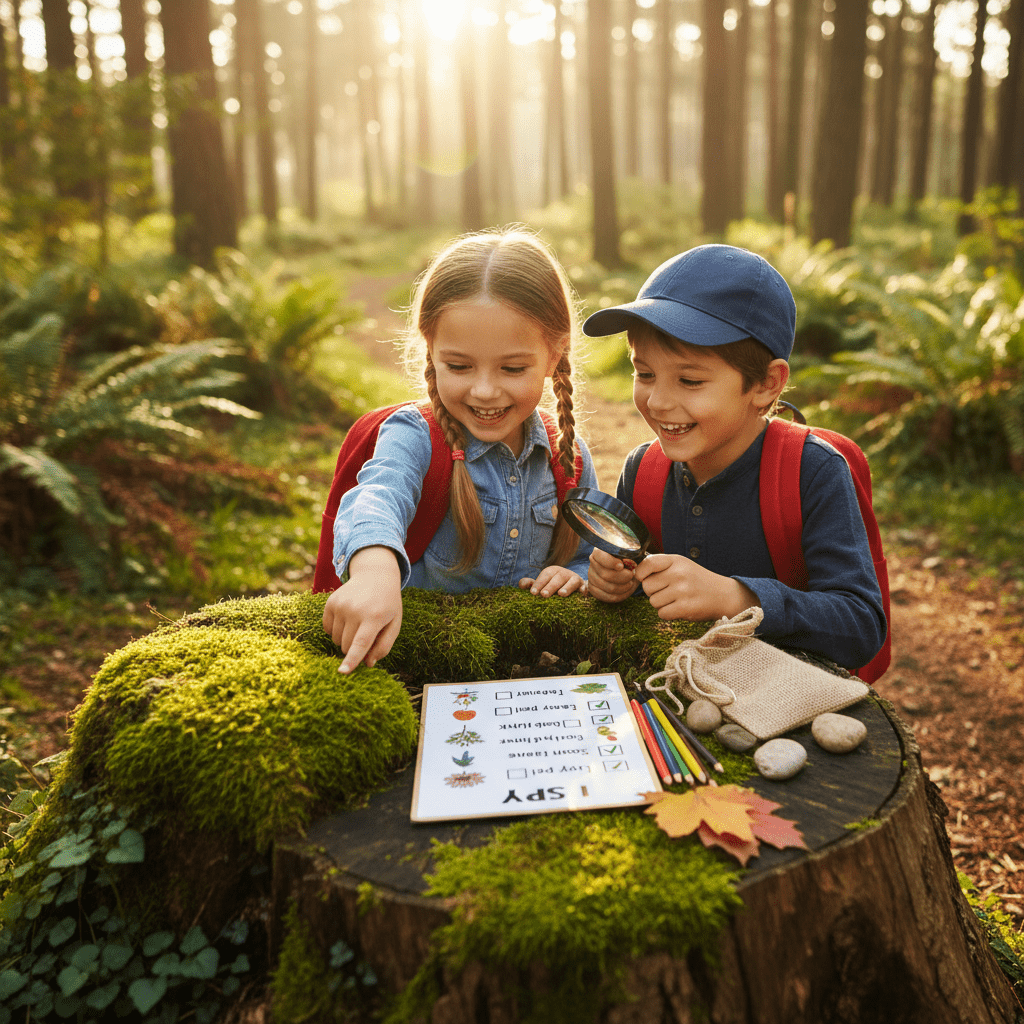
Turn the classic “I Spy” game into a full outdoor adventure. This works especially well for younger kids who aren’t quite ready for written lists but are absolutely ready to run around a park.
What You’ll Need
- No prep required — just your eyes
- Optional: “I Spy” bingo cards if you want to level it up
How to Run It
- Start with “I spy with my little eye, something that is [color/shape/texture].”
- The child who guesses correctly becomes the next spy.
- Play continuously through a park walk or backyard session.
- Optional: create bingo cards with outdoor “I Spy” items for a structured version.
Why You’ll Love It
Zero prep, infinite replayability, and it genuinely works for ages 2 to 8. This is the grab-and-go version of outdoor scavenger hunts — perfect for days when you need to improvise fast.If you’re planning for toddlers too, these fine motor activities for toddlers are perfect for little hands and shorter attention spans.
15. Teamwork Scavenger Hunt
Why It’s Awesome
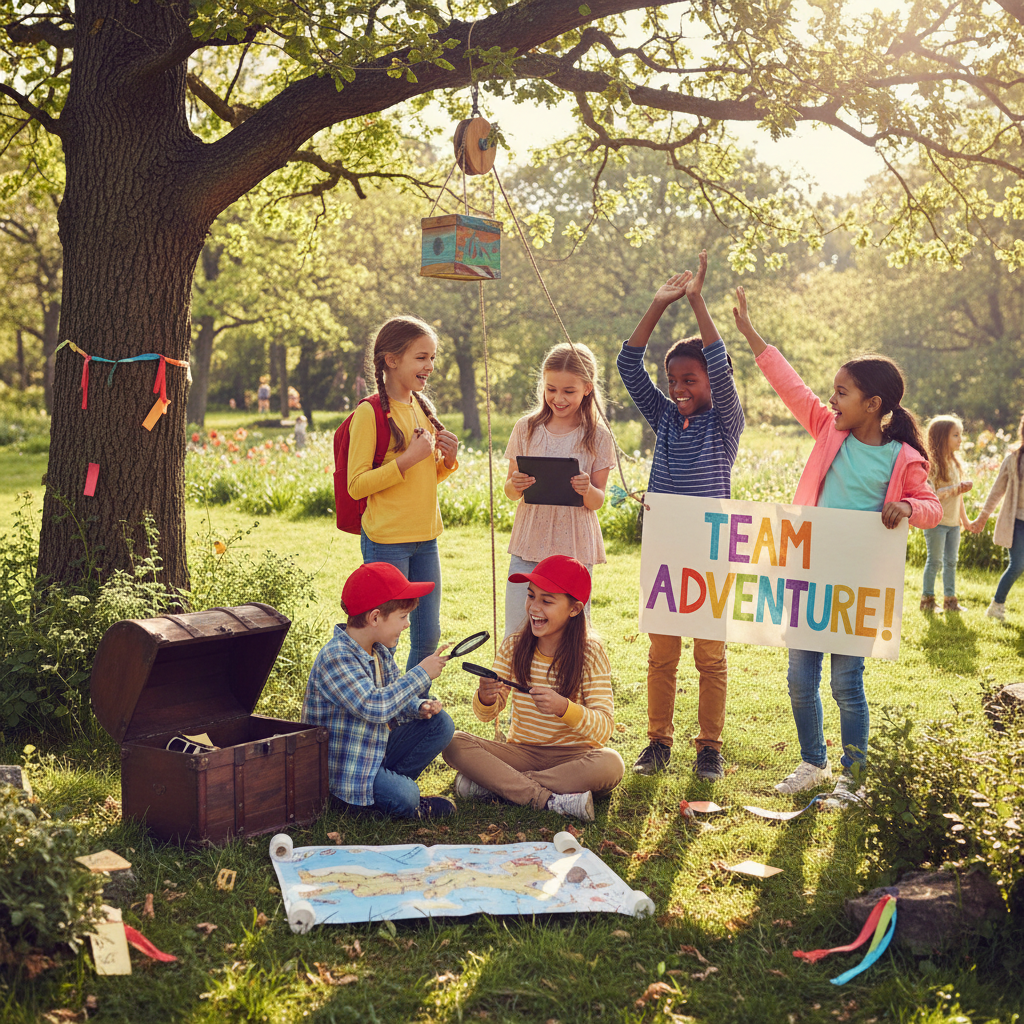
Pair up kids in teams and watch them suddenly discover the value of collaboration, communication, and occasionally arguing productively. This is the outdoor scavenger hunt idea for groups, parties, and family reunions.
What You’ll Need
- A challenging scavenger hunt list (20+ items)
- Teams of 2–3 kids each
- A timer and a prize for the winning team
How to Run It
- Create a list of 20+ outdoor items to find — mix easy and hard.
- Divide kids into teams of 2–3.
- Give everyone the same list and start the timer.
- First team to complete the list wins — ties broken by who found the most creative item.
Why You’ll Love It
The team element adds social dynamics that make this wildly fun to watch. Older siblings become mentors, introverted kids find their voice when they spot something others missed, and the debrief conversation at the end is always gold. Need more high-energy ideas for a group? These outdoor party games for kids are always a hit.
Wrapping It Up
There you have it — 15 outdoor scavenger hunt ideas for kids that cover every age, every season, and every energy level. From a classic nature hunt in the backyard to a camera-in-hand photo adventure or a full neighborhood walk mission, these ideas cost almost nothing and deliver hours of genuine outdoor fun.
The beauty of outdoor scavenger hunts is that they’re endlessly adaptable. Mix and match elements from different hunts, add your own local flavor, and don’t be afraid to make up rules as you go. The goal is simple: get kids outside, get them curious, and get them moving.
Now close the laptop, grab a few index cards, and go make some memories. The screens will still be there when you get back.